Project Team: Antoniani Lorenzo, Brighetti Caterina, Manni Giorgia, Rini Vittoria
Location: Staveco, Bologna, Italy.
Year: september 2023 - february 2024
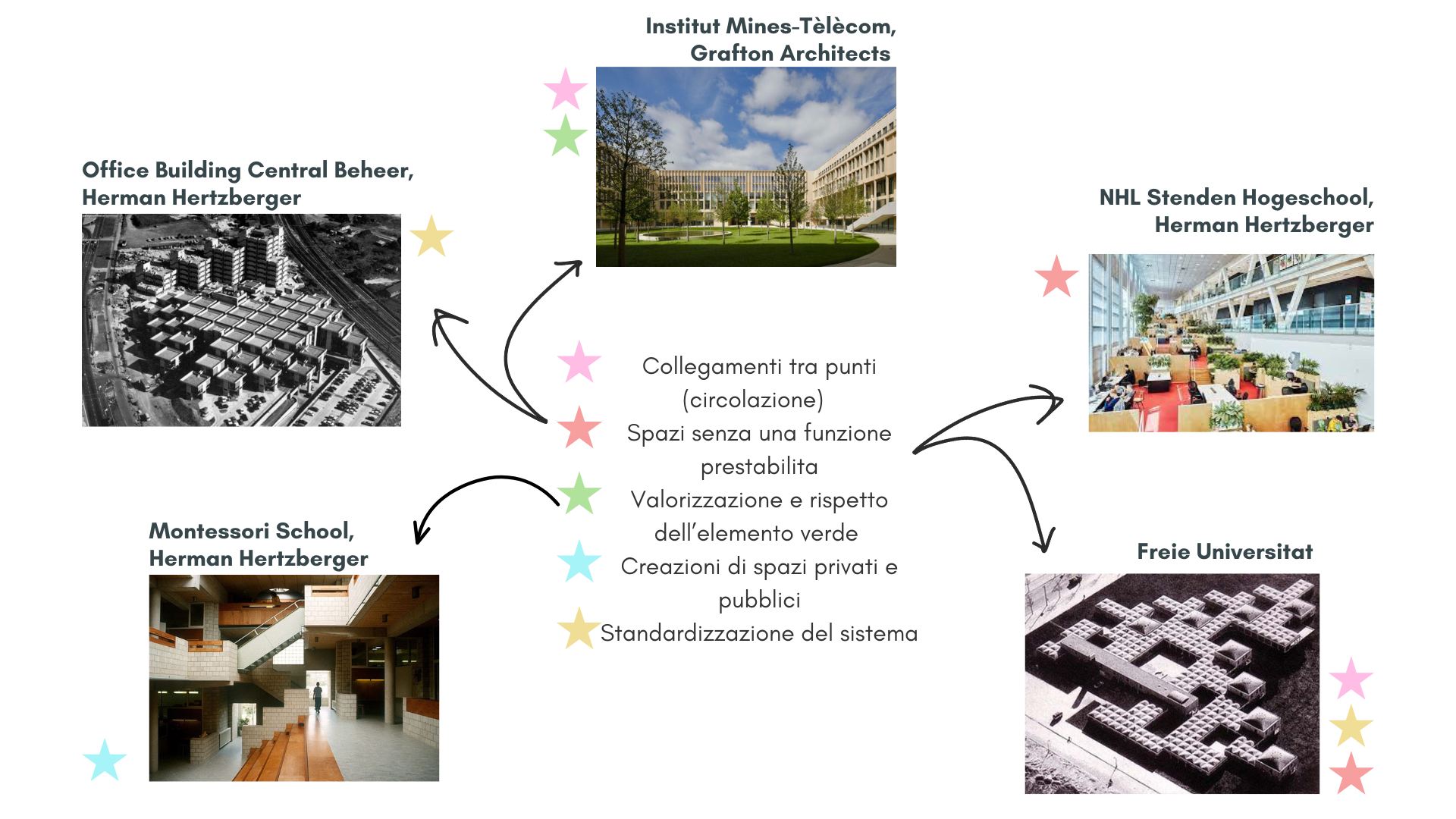
We drew inspiration from several existing projects, focusing on key objectives:
- Connectivity to ensure circulation, inspired by the Institut Mines Télécom (Grafton Architects) and Freie Universität Berlin.
- Non-programmed spaces to enable free interpretation and use, inspired by NHL Stenden Hogeschool (Herman Hertzberger) and Freie Universität.
- Green integration, respecting and enhancing existing greenery, as seen in Institut Mines Télécom.
- Public and private space balance, inspired by the Montessori School (Hertzberger).
- System standardization, as evident in both Freie Universität and Central Beheer Office Building by Hertzberger.
Inspirations
Main targets
Our strategy was to interpret the macro-theme of “building for learning” by defining clear objectives and implementation methods.
The diagram on the left shows how our design emerges from the overlap of these objectives.
The diagram on the right highlights our intent to ensure interconnection between macro-areas—emphasizing green spaces, zones for leisure and relaxation, and individual and group learning environments.
The diagram on the left shows how our design emerges from the overlap of these objectives.
The diagram on the right highlights our intent to ensure interconnection between macro-areas—emphasizing green spaces, zones for leisure and relaxation, and individual and group learning environments.
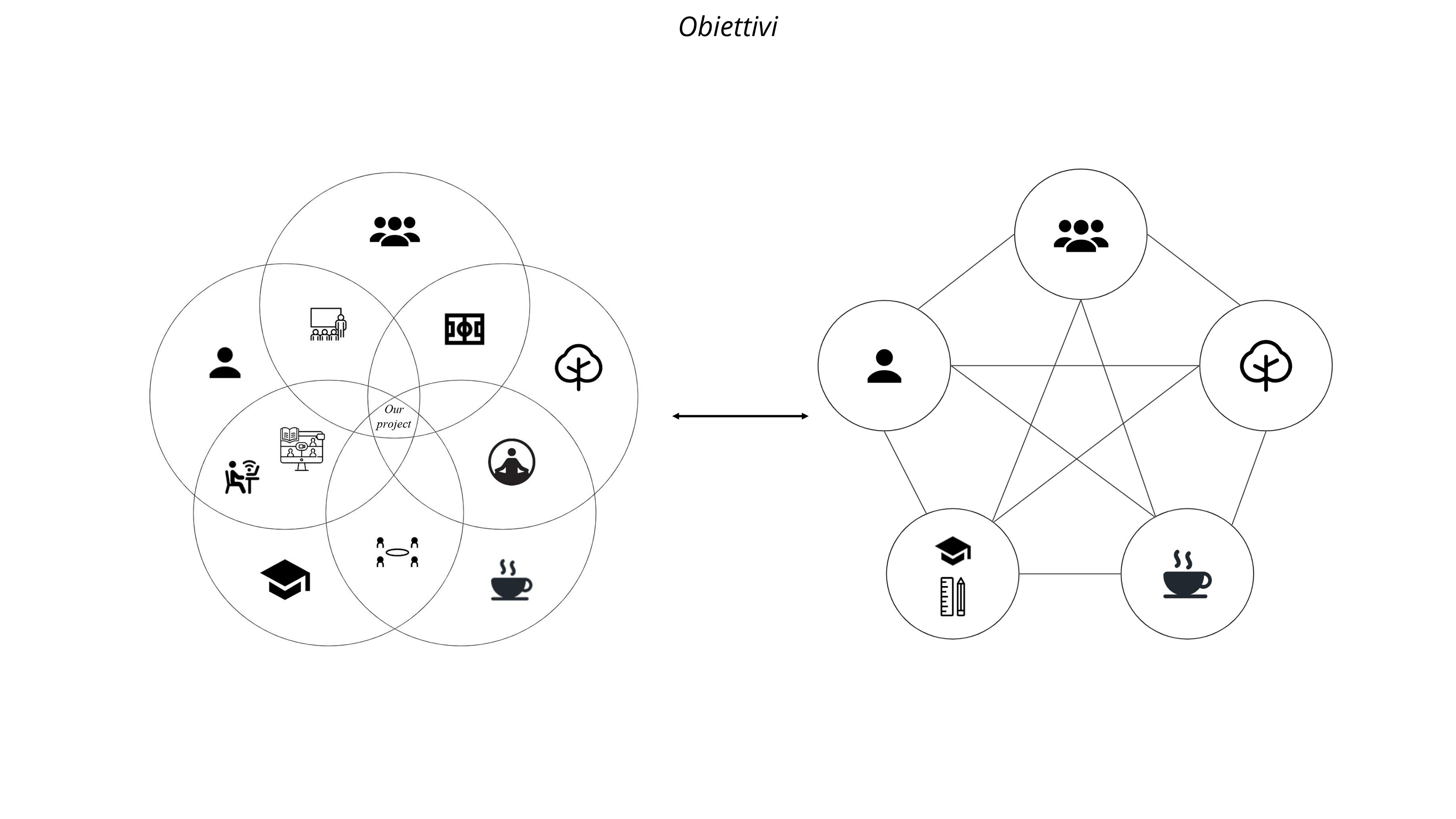
Main targets of the project
1) Circulation
Our first objective was to guarantee fluid movement within the site and the building. This was achieved through the layout of main circulation axes and the creation of free, non-linear paths—without relying solely on spaces exclusively dedicated to movement.
2) Open-Use Spaces
The second goal was to design spaces without predefined functions. We achieved this through formal, configurational, and dimensional variation, while maintaining free movement.
This encourages self-organization and fosters a broader understanding of how space can be appropriated. Architecture, in this sense, becomes the enabler of multiple, unexpected uses—impossible to achieve with homogeneous spaces.
This encourages self-organization and fosters a broader understanding of how space can be appropriated. Architecture, in this sense, becomes the enabler of multiple, unexpected uses—impossible to achieve with homogeneous spaces.
3) Public and Private Zones
We created both public and private spaces by differentiating areas not only in function but also through vertical zoning, generating distinct macro-areas.
4) Integration of Greenery
We preserved existing green elements and reinforced the relationship between indoors and outdoors through permeability and the addition of new green areas—ensuring a constant visual and physical link to nature.
5) System Standardization
The system is composed of interrelated parts. Standardization was achieved by starting with simple, regular dimensions.
This allows the system to adapt to different contexts and sites, enabling consistent and scalable development.
This allows the system to adapt to different contexts and sites, enabling consistent and scalable development.
To meet these objectives, we began by defining a basic unit for system development:
- Option 1: 6x3 slab with two walls—discarded for limited spatial variety and accessibility issues.
- Option 2: 8x5 slab with three walls and a column—discarded due to excessive closures and lack of open, diverse spaces.
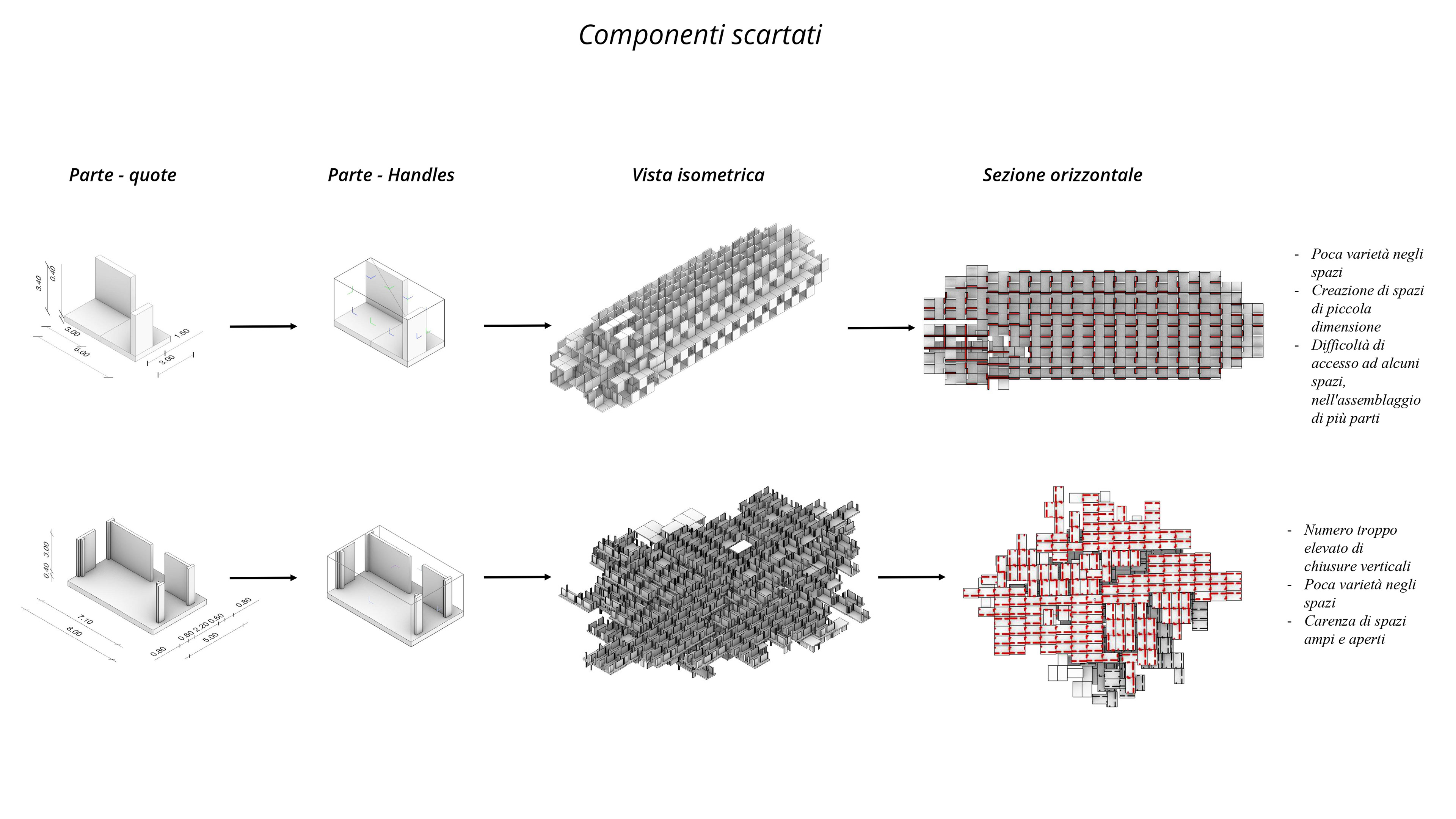
Discarded components
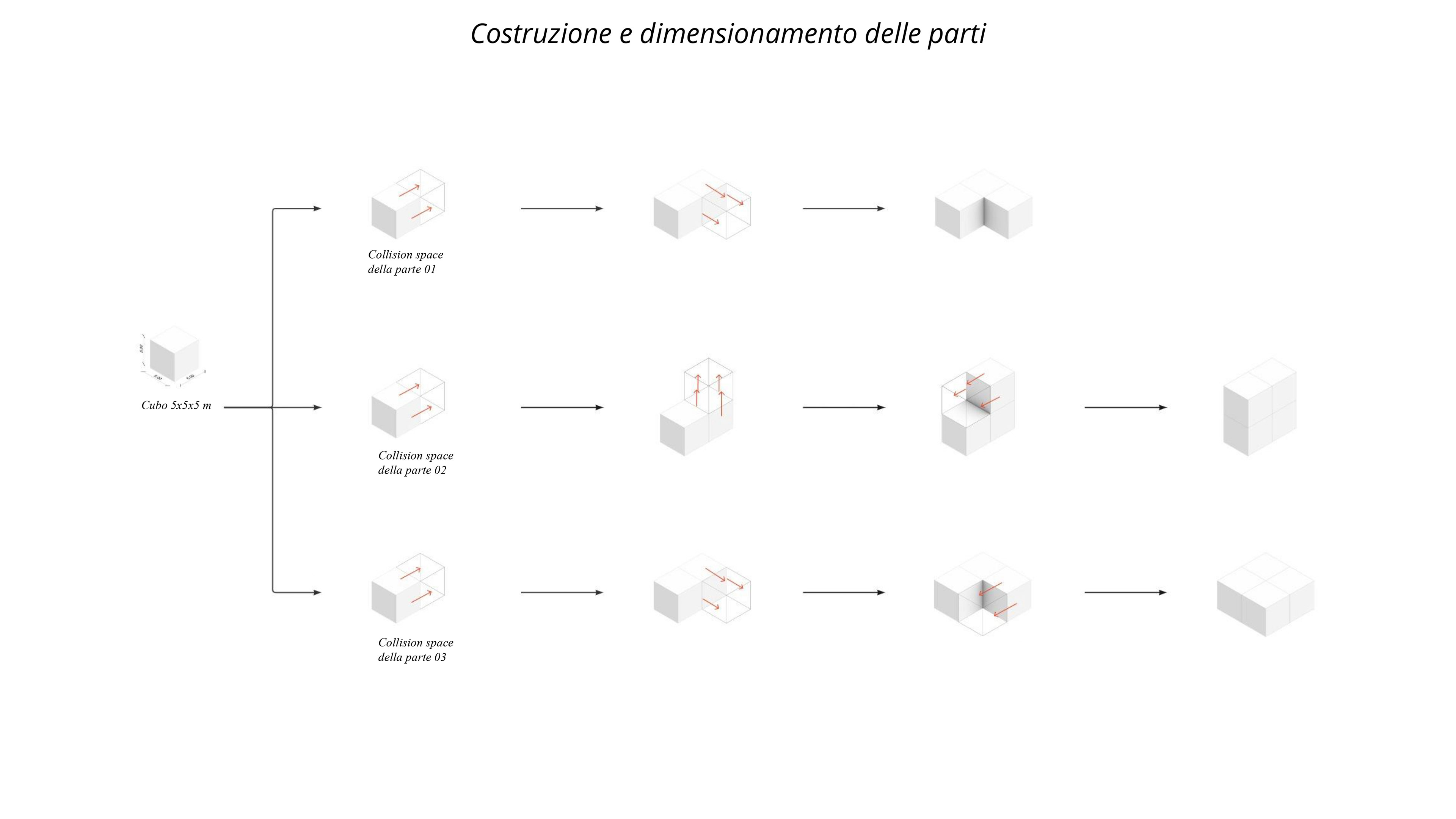
Construction and sizing of components
Parts 01, 02, 03 and combinations
We adopted a 5x5x5 cubic volume as the base for all three definitive parts, in line with the system’s standardization logic. Final volumes were defined through the combination of multiple cubic modules.
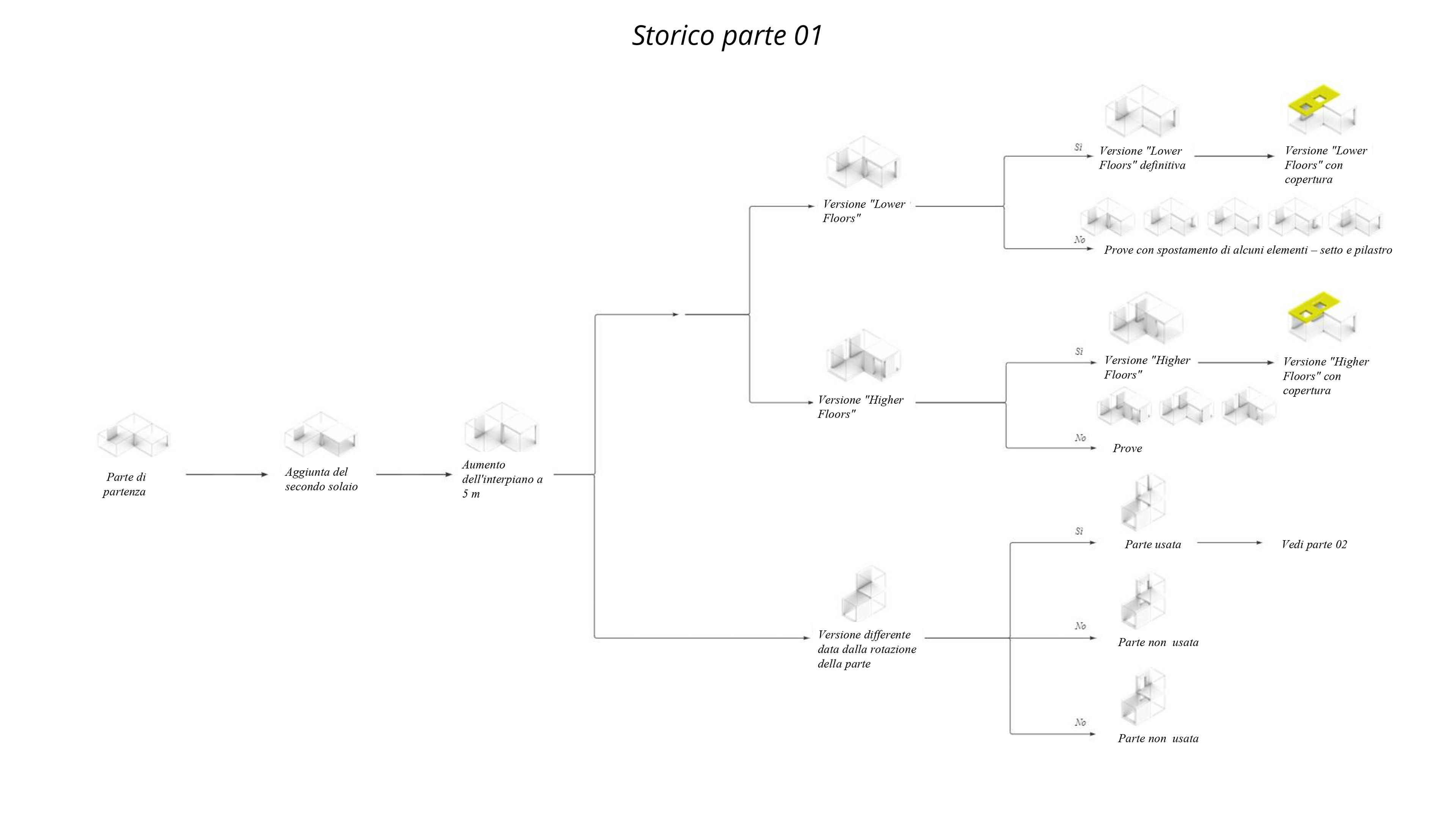
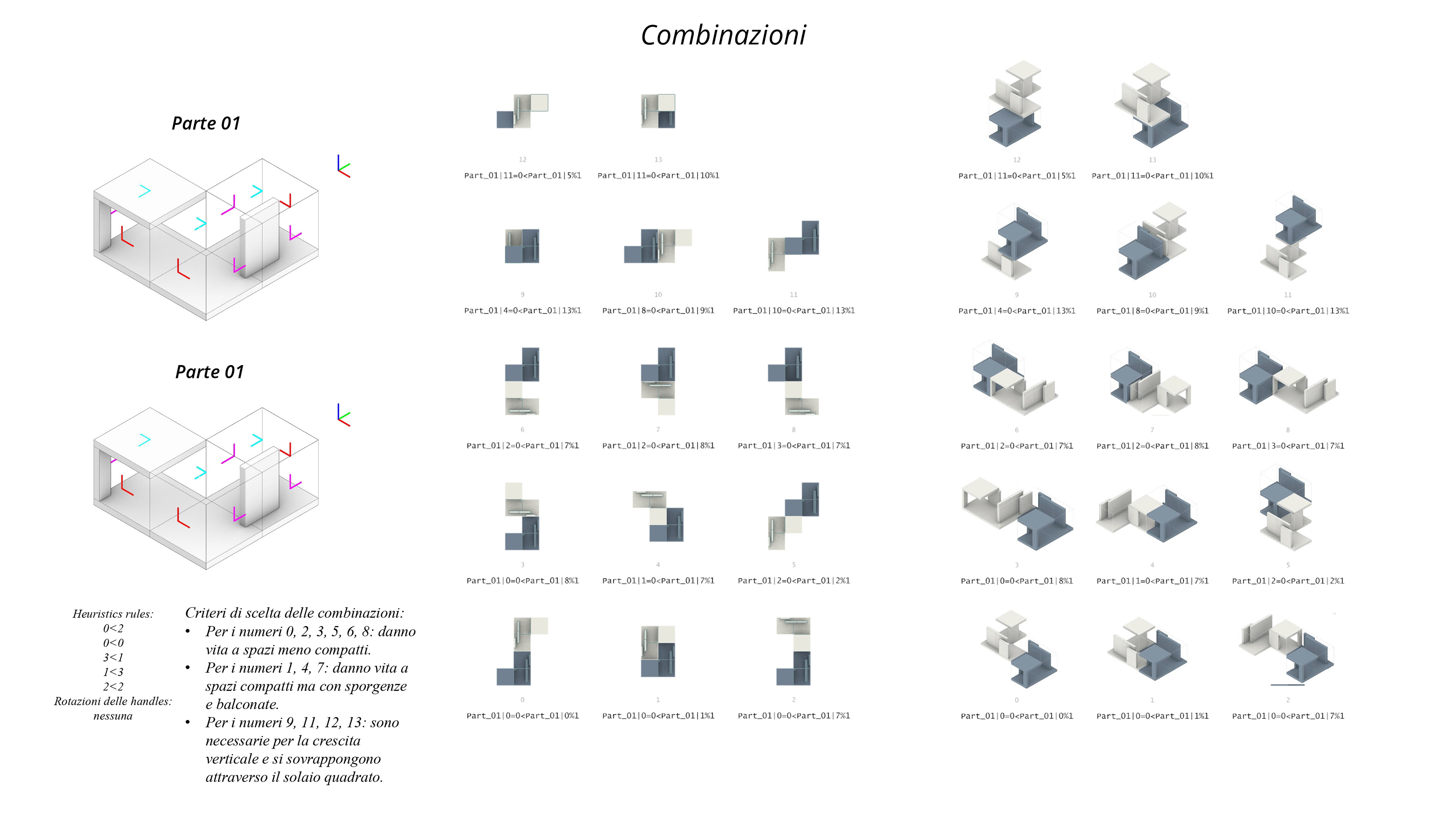
Part 01 consists of a column, a wall, and a roof covering only a 5x5 meter area. In this part, we used four types of handles, each differentiated according to the orientation of the normal they identify. During the design process, the idea of rotating Part 01 vertically was discarded. Instead, we kept two variations—one for lower floors and one for higher floors—both incorporating a perforated roof.
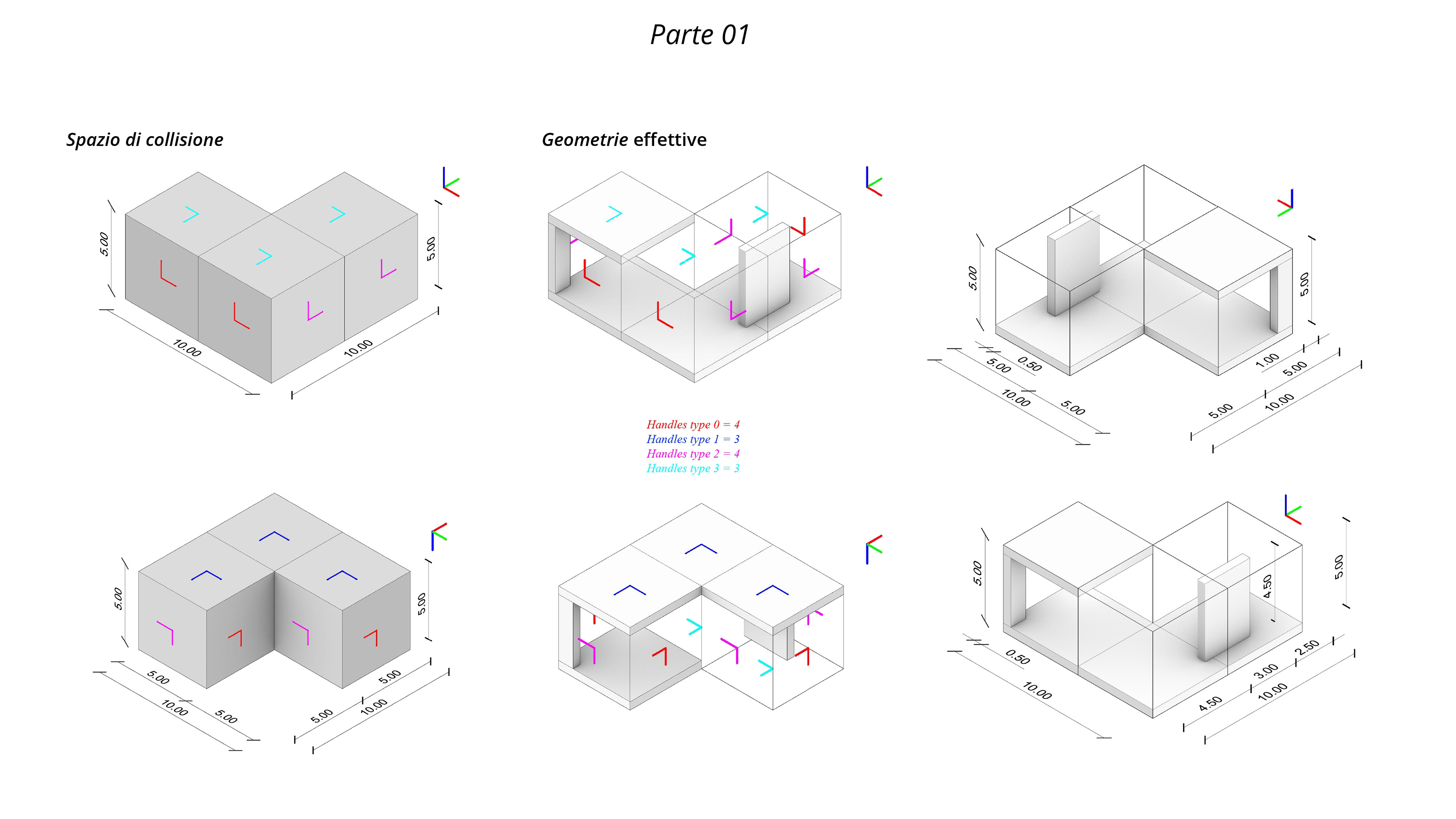
Part 01
Story of the Part 01
We summarized the process leading to the final versions of Part 01 as shown in the images. The idea of using Part 01 rotated vertically was discarded, while the versions for lower floors and higher floors were retained, both with the addition of a perforated roof.
The most suitable combinations were selected: those that create less compact spaces, spaces with overhangs or balconies, or parts necessary for vertical growth.
Part 01 combinations
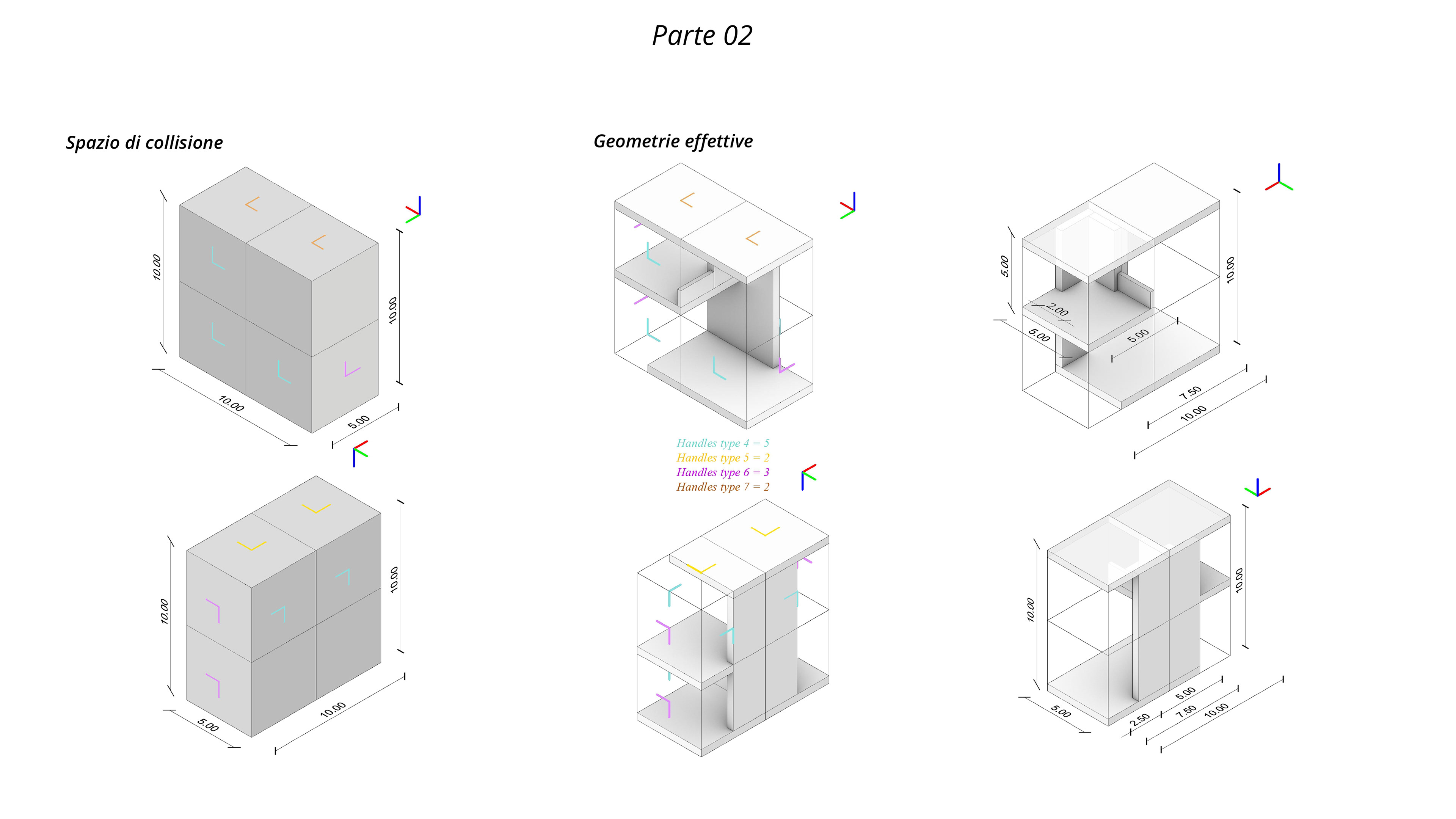
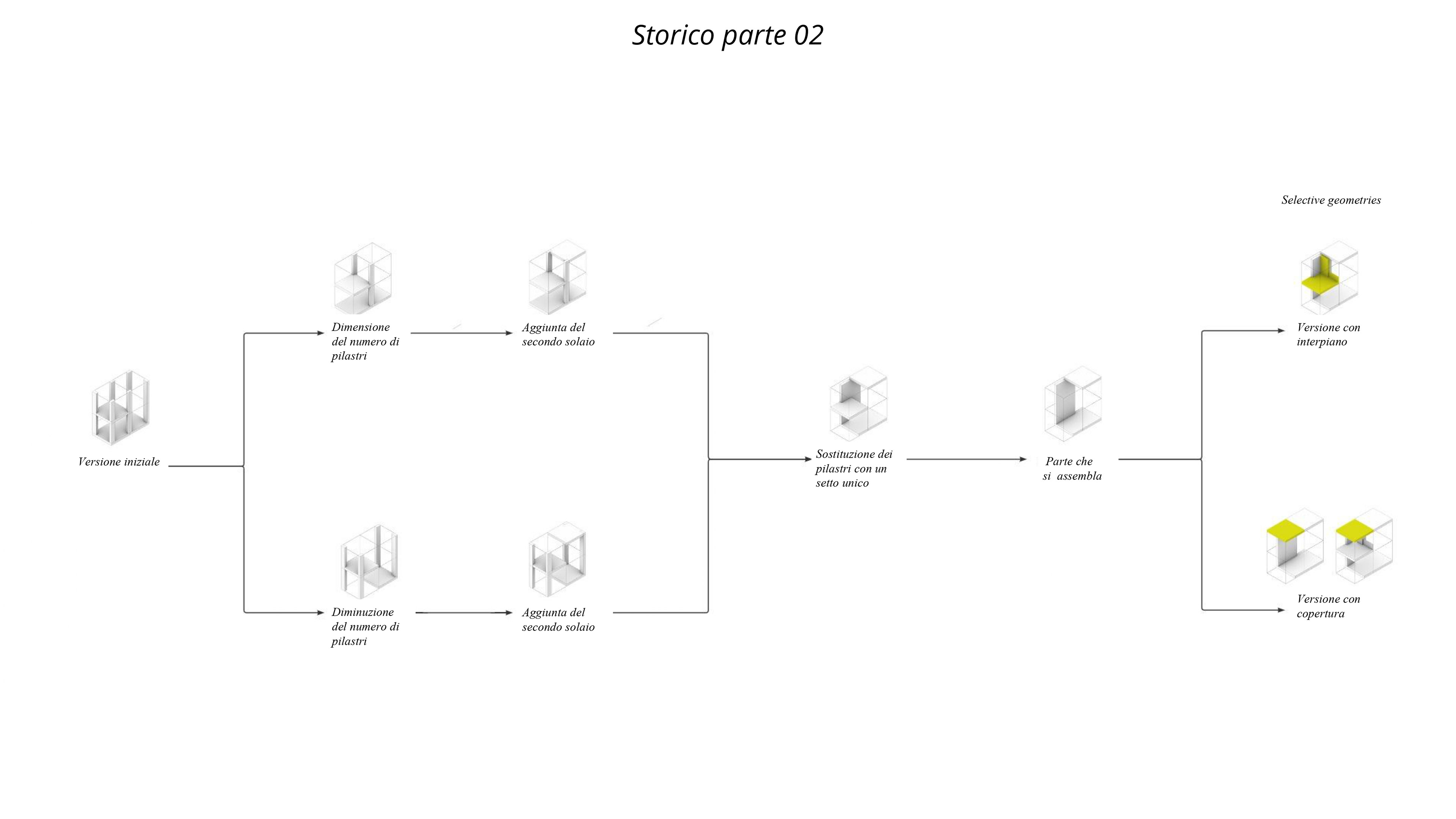
Part 02 was developed to occupy a double-height space, replacing the previously discarded vertically rotated version of Part 01. This part includes a slab and a 5x5 meter inter-floor level, and again features four types of handles. Its design evolved from configurations composed mainly of columns to a final version consisting of a single wall, an inter-floor space with a parapet, and another wall.
Part 02
Story of Part 02
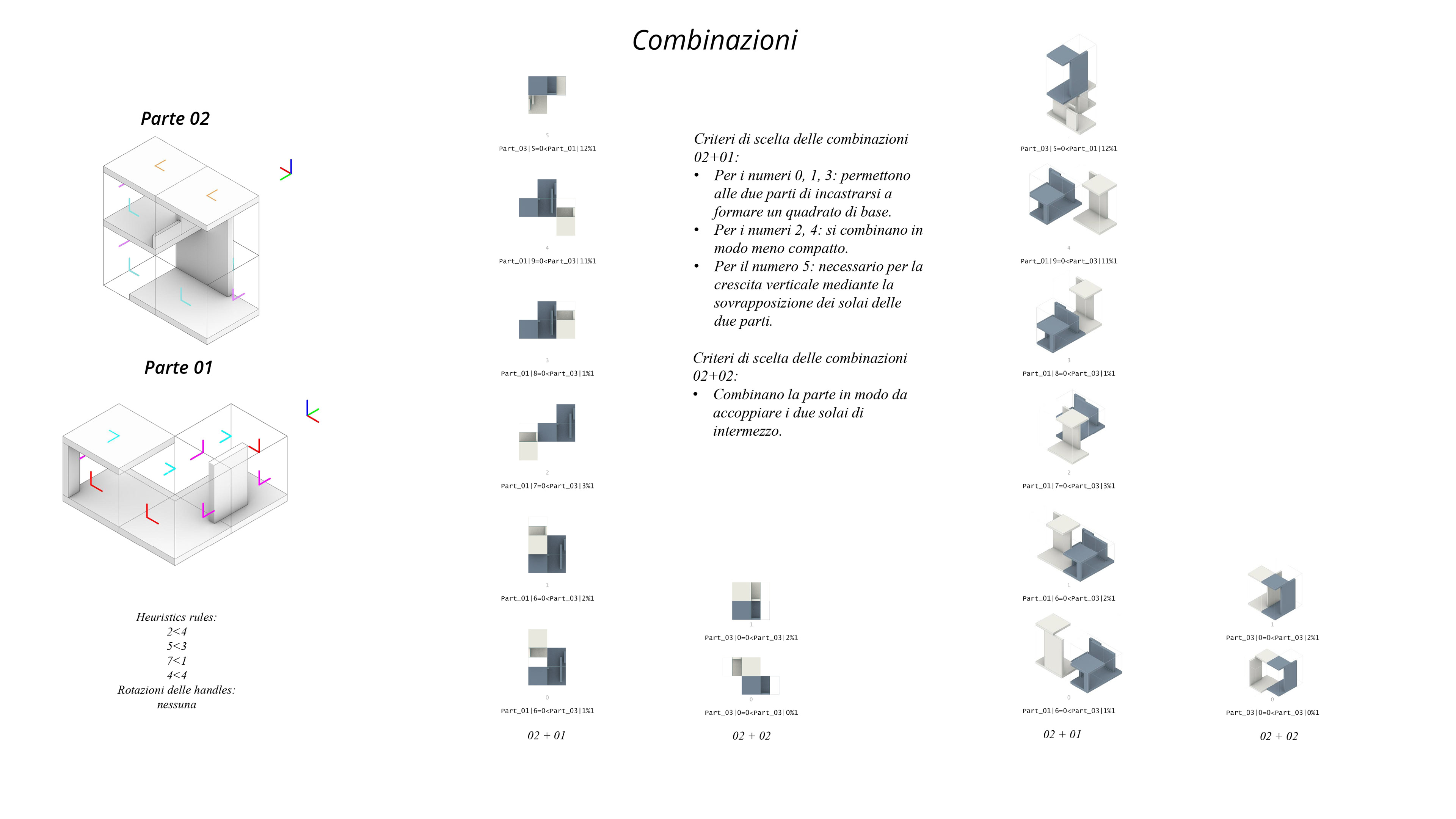
The combinations between Part 02 and Part 01 were selected to allow the elements to interlock and form a square base, as well as to create looser configurations and enable vertical expansion. When combining Part 02 with itself, the intermediate slabs are connected.
Part 02 combinations
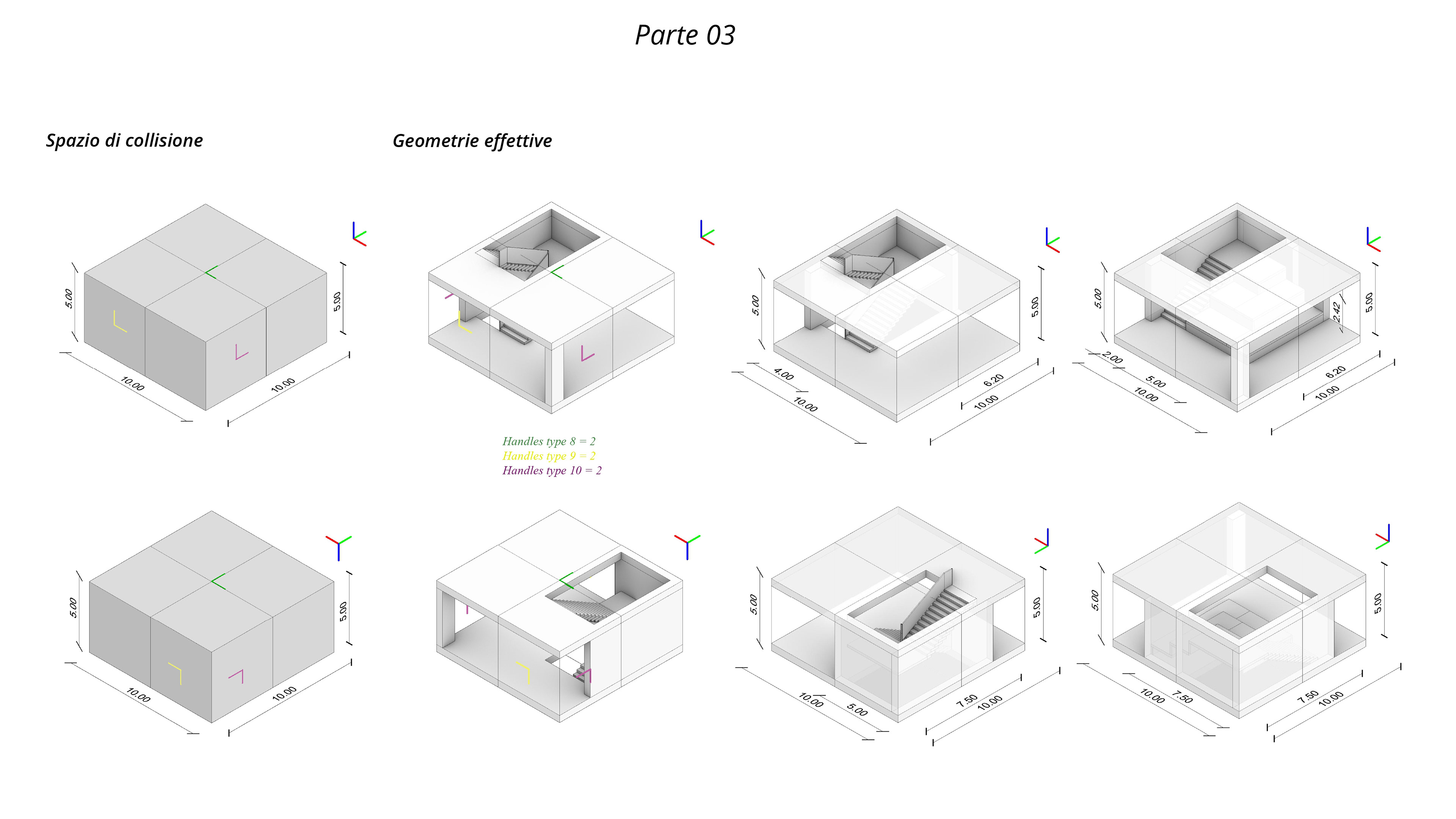
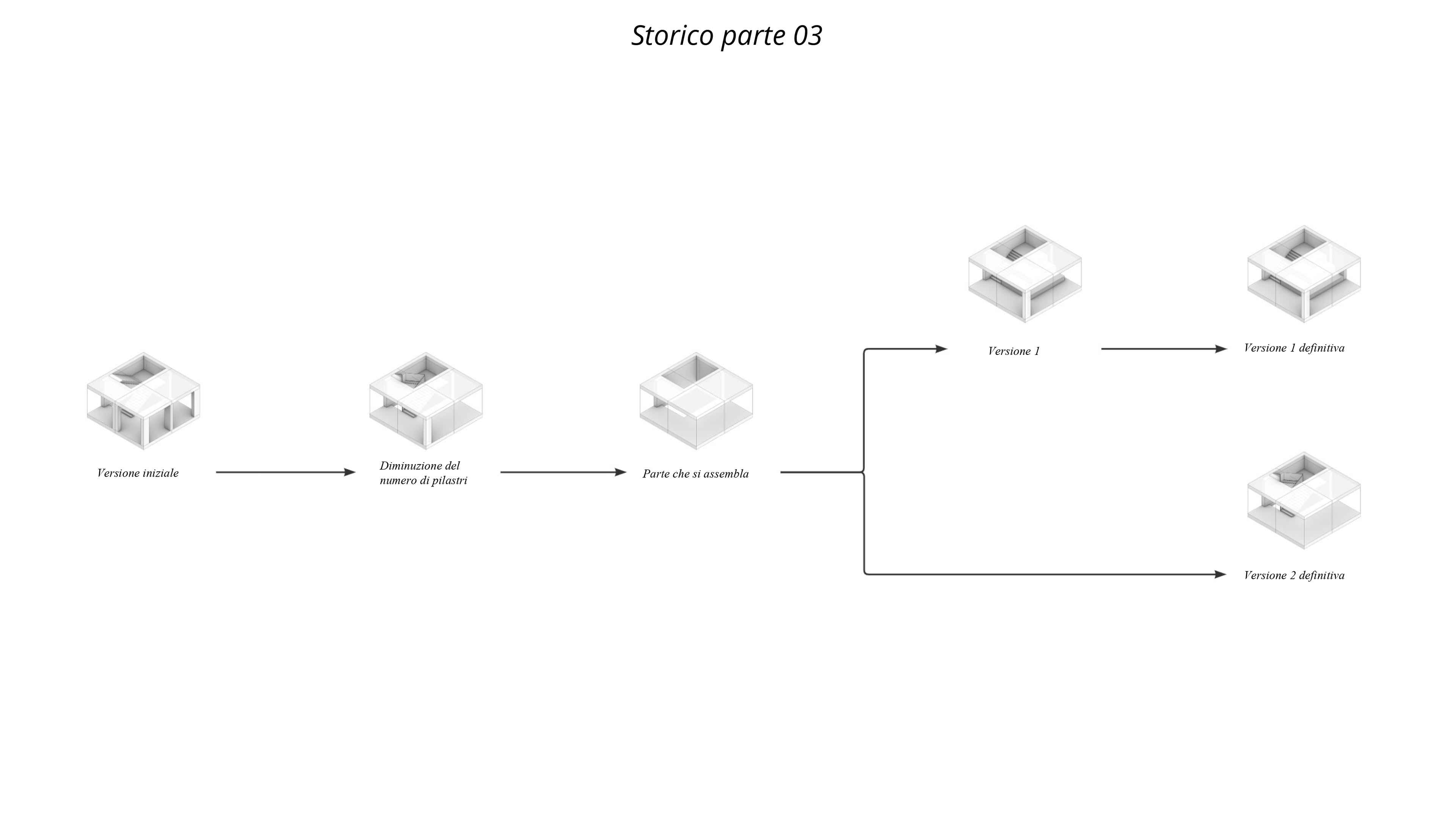
Part 03 focuses on vertical circulation and consists of a service staircase supported by two walls and flanked by a column. Its development also followed a process of refinement: we started with versions featuring more columns and arrived at two final versions—one with a staircase and the other with tiered seating.
Part 03
Story of Part 03
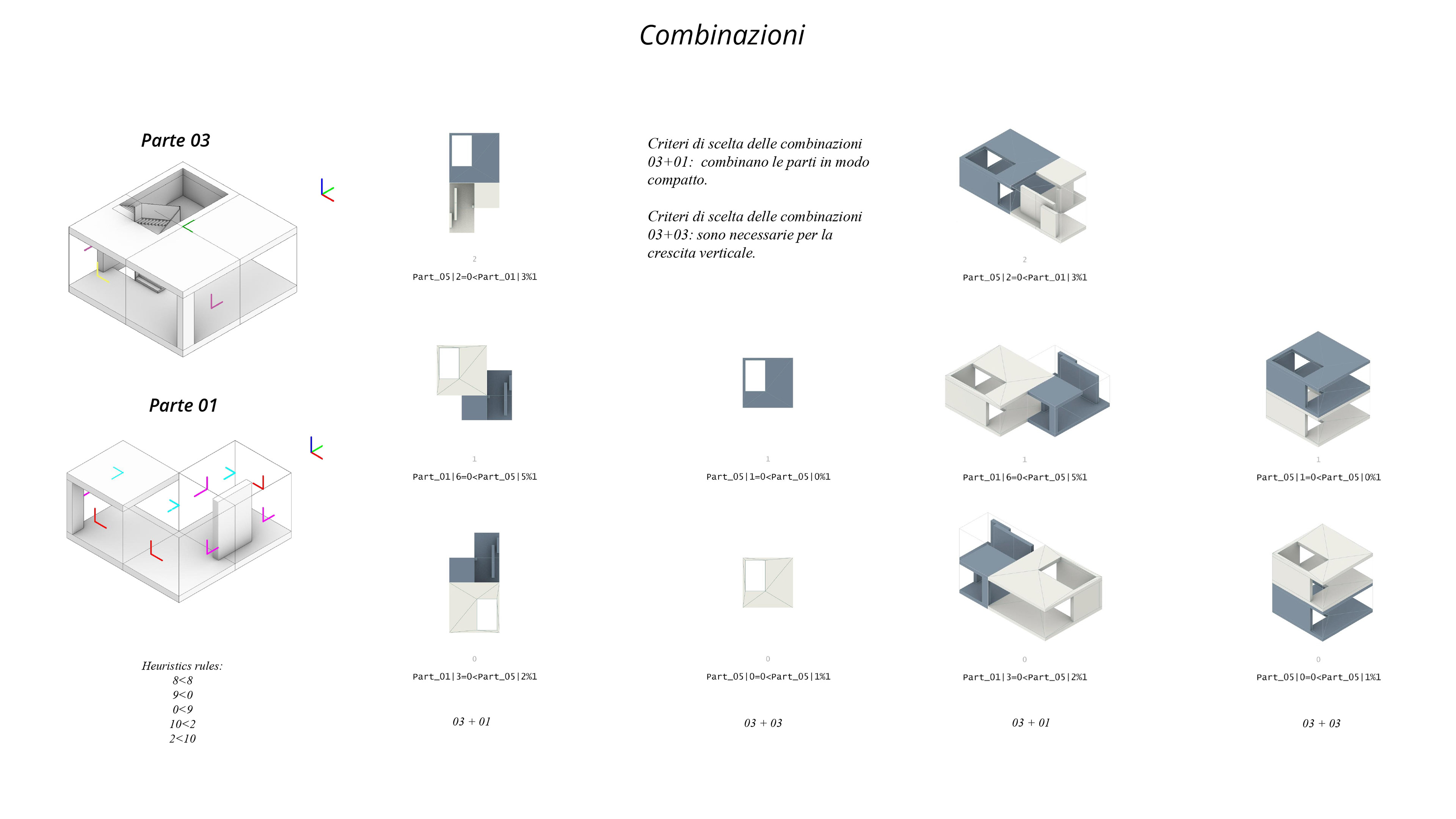
Combinations of Part 03 with itself are essential for vertical growth, while combinations of Part 03 with Part 01 result in more compact configurations.
Part 03 combinations
We then explored various heuristics for combining all parts, selecting those that adhered to previously defined design criteria.
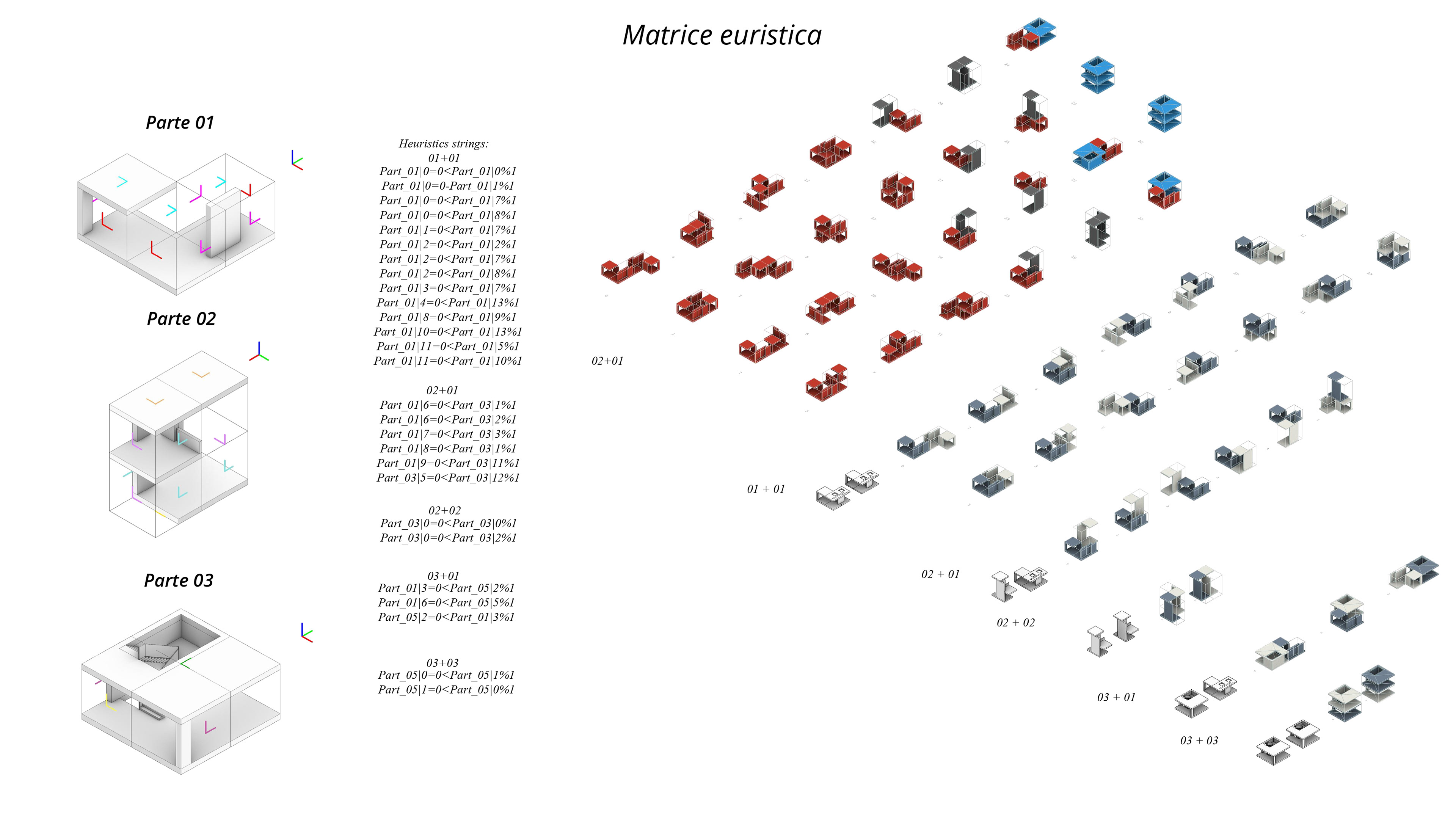
Heuristic matrix of combinations
Assembly logic
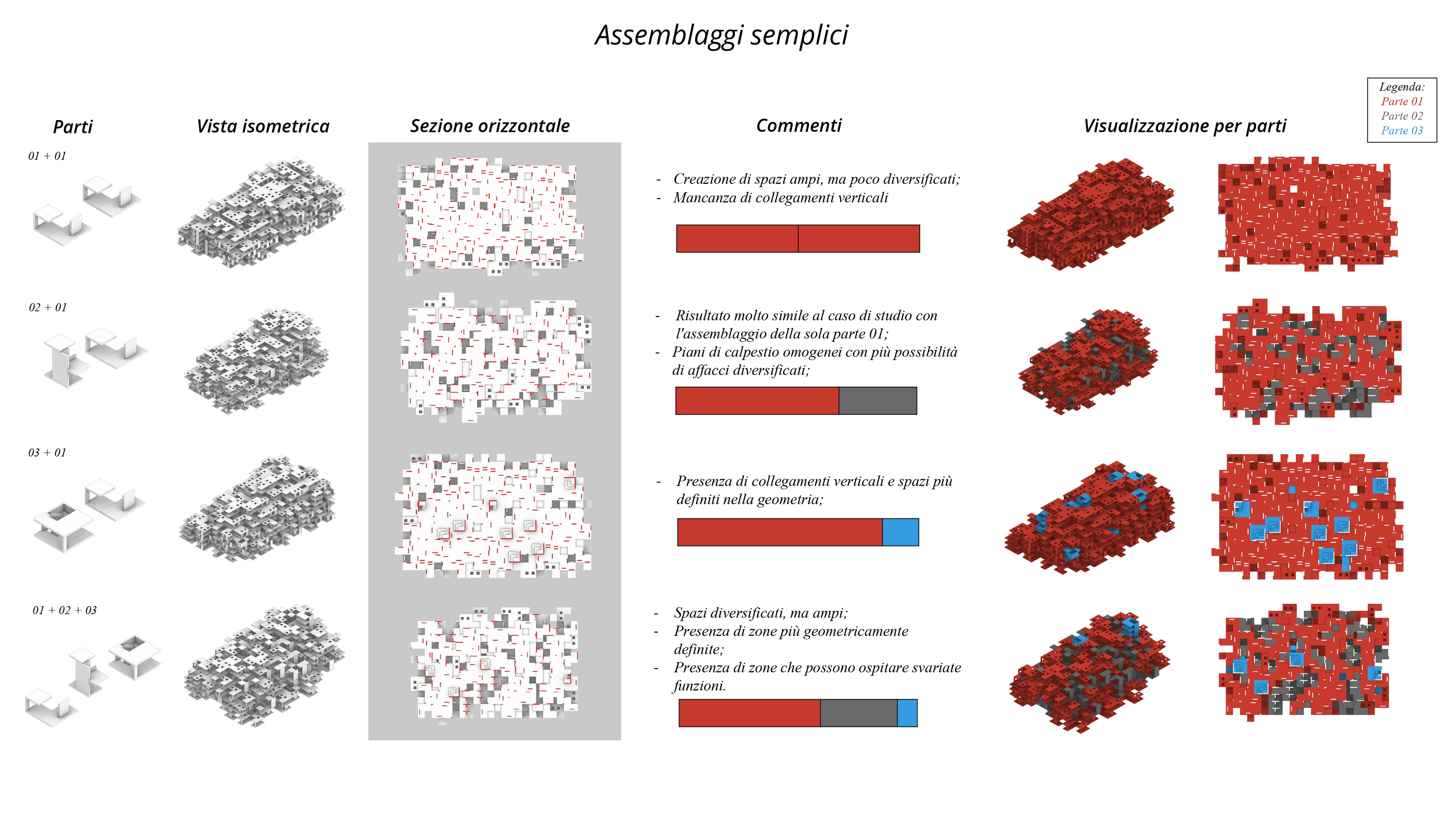
After establishing the individual parts and their possible combinations, we shifted our attention to defining the assembly logic. Initial experiments were conducted using different curves arranged within a cube, relying solely on an earlier version of Part 01. These tests mainly resulted in monotonous assemblies, due both to the exclusive use of a single part and to the simplicity and linearity of the vector field. Moreover, we found that changing the field orientation did not significantly alter the outcome, due to the L-shaped, bidirectional geometry of Part 01.
We later conducted tests within a parallelepiped, using the same field setup but combining multiple parts. The results of these assemblies were analyzed individually.
The findings were summarized as follows:
- 01+01 produced large but monotonous spaces, lacking vertical connections;
- 02+01 resulted in similar spaces but with more diverse openings and views;
- 03+01 introduced vertical circulation and more geometrically defined spaces;
- 01+02+03 combined all previous qualities, creating environments capable of hosting a variety of functions.
We will now focus on three main goals: circulation strategy, enhancement and integration of green elements, and system standardization, starting with preliminary site analysis.
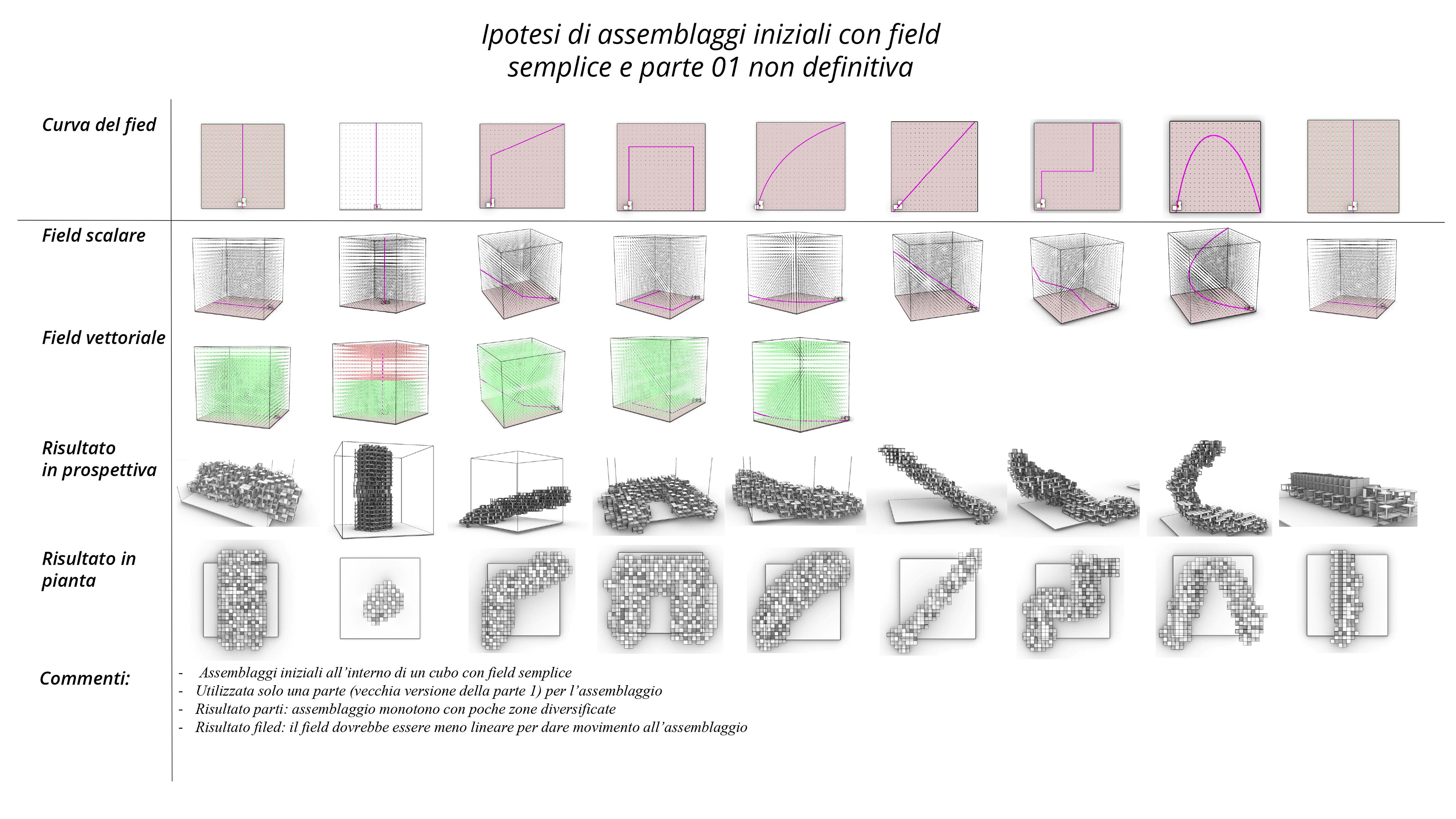
Assembly hypotheses with simple filed
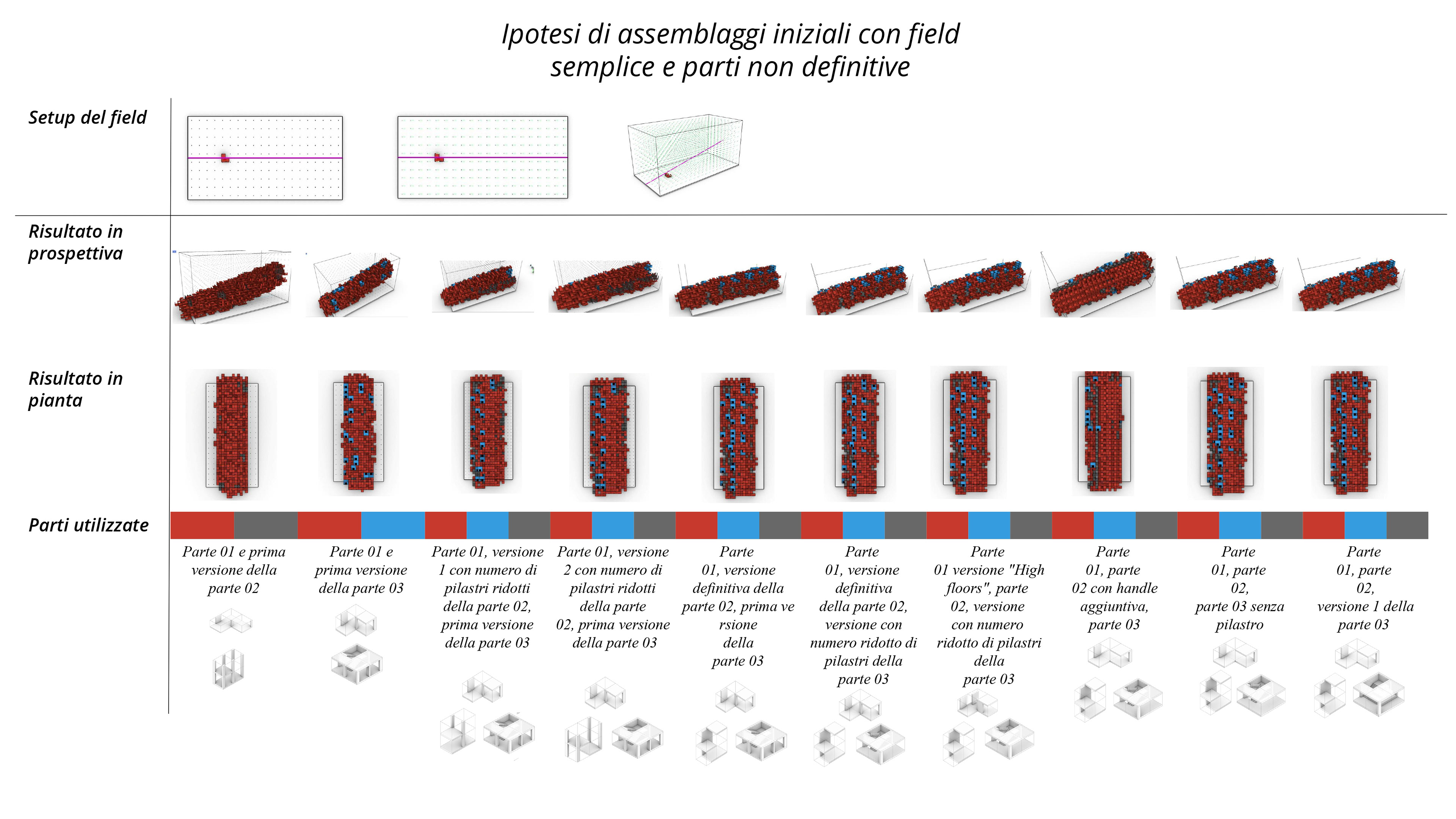
Assembly hypotheses with simple filed
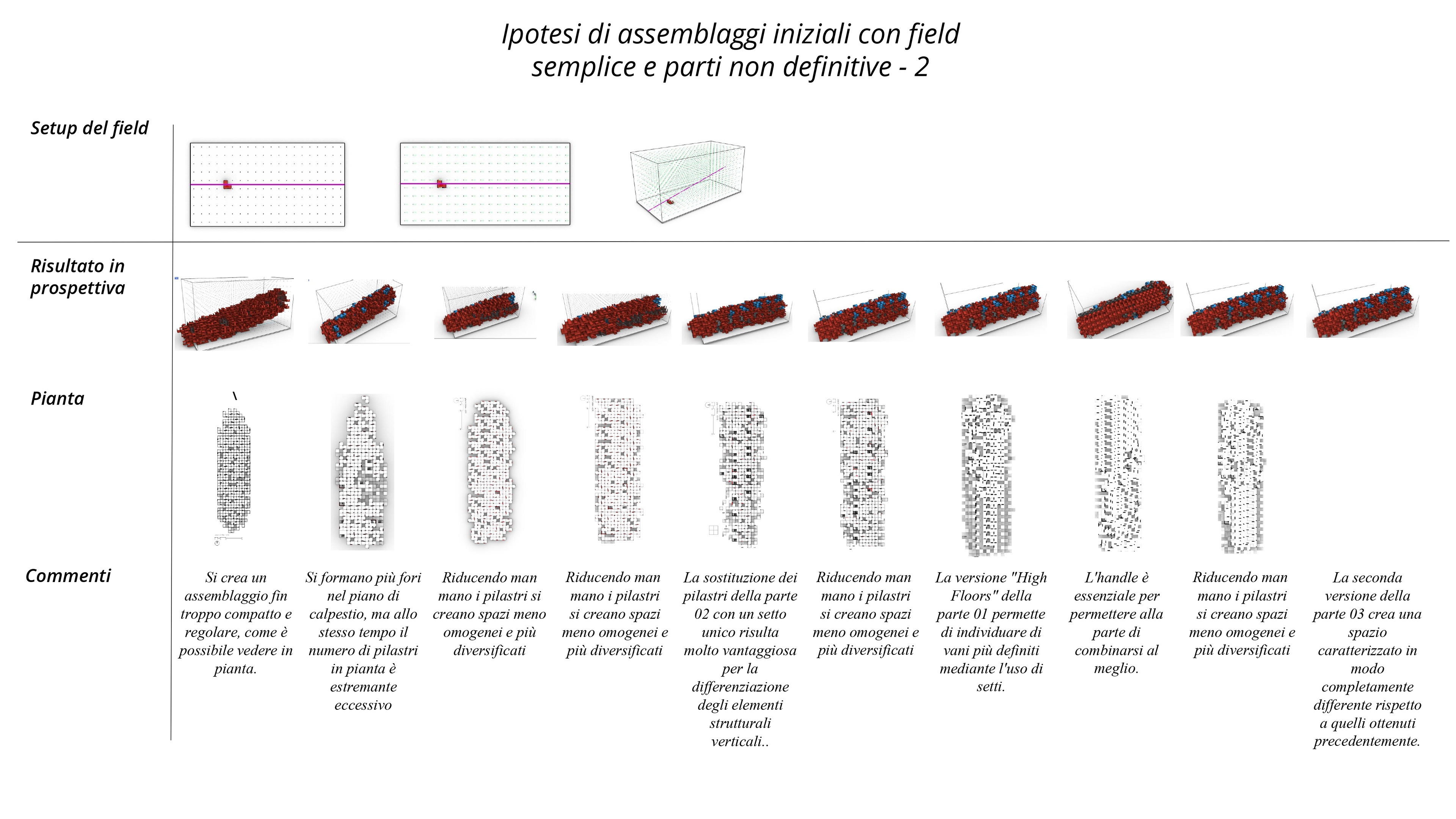
Assembly hypotheses with simple filed
Simple assemblies
The site
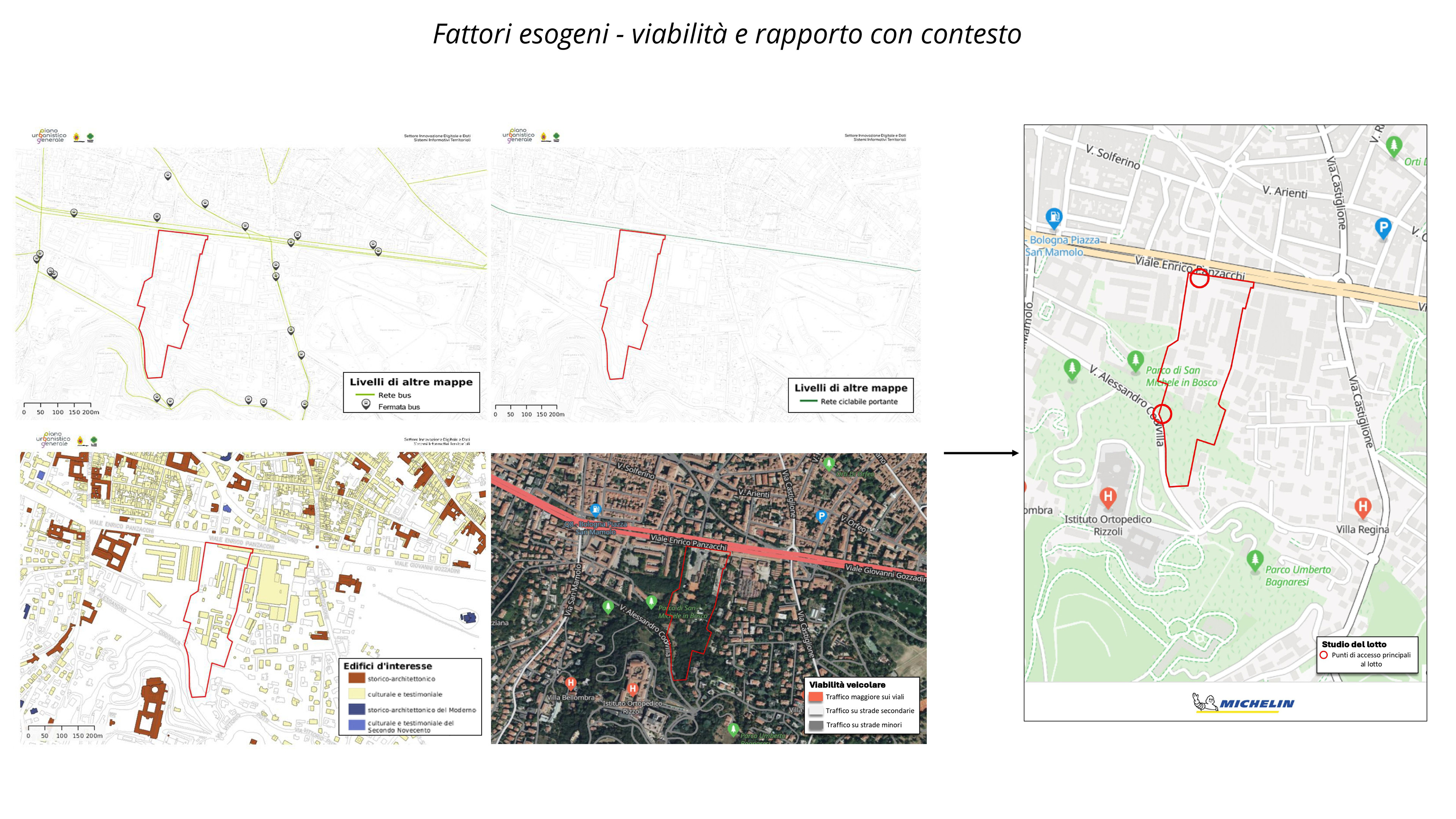
The site we studied is located within the urban fabric adjacent to the historic city walls. We began by analyzing the surrounding area's infrastructure, including the public transportation network, the cycling paths, vehicular circulation, and nearby buildings of interest. This contextual analysis led us to identify two main access points to the site: one facing the main boulevards, and the other situated at the rear, connecting with the hillside landscape.
Exogenous factors – accessibility and relationship with the context
Initial assembly hypotheses
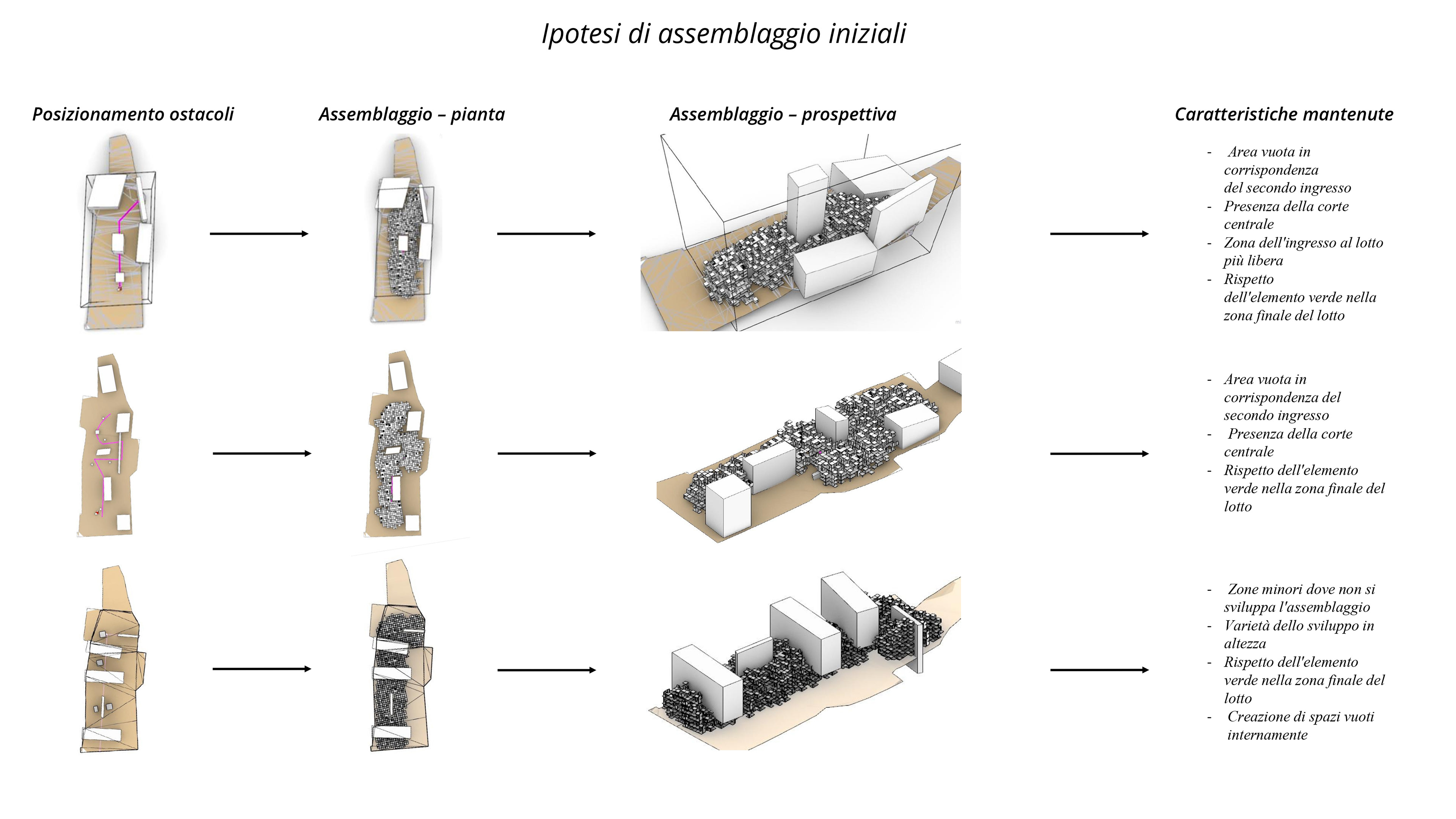
Based on these findings, we developed several initial assembly hypotheses, each of which contributed some valuable qualities to the final configuration. We chose to maintain a buffer zone between the assembly and the perimeter of the site, preserve open spaces at the access points, introduce internal courtyards to highlight and integrate the green element, regulate the vertical development of the assembly, and leave internal voids to create spatial variation.
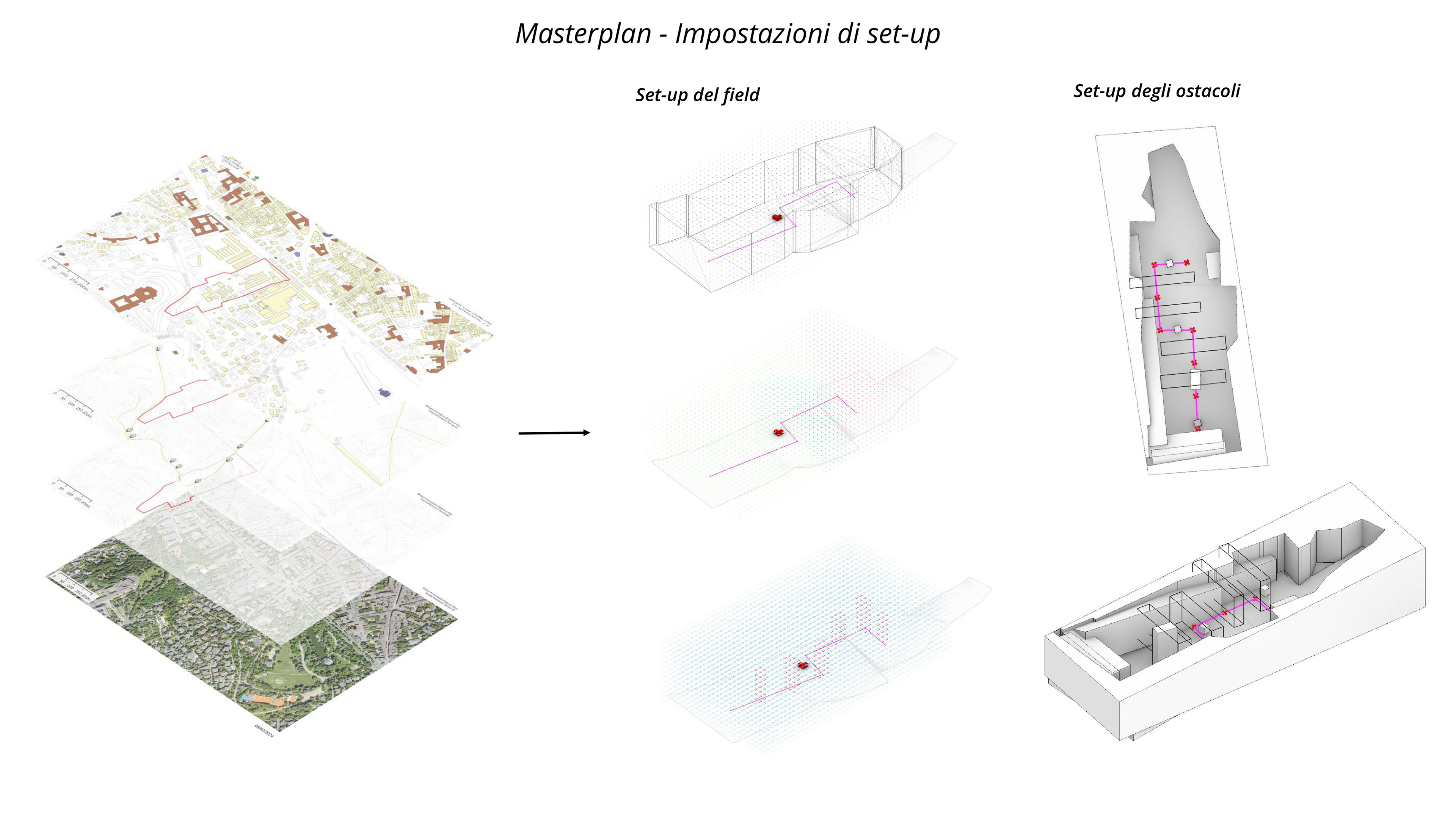
The assembly’s growth pattern was defined primarily around the central part of the site and near the main entrance, while keeping both access points unobstructed. We deliberately avoided extending the assembly into the rear portion of the site in order to preserve the existing green area. Additionally, to emphasize the importance of vegetation within the built volume itself, we designed a central courtyard.
Maintaining a respectful distance from the plot’s boundary also ensured sensitivity toward surrounding buildings. Stairwells were distributed regularly, and the building was intentionally differentiated in height across its layout. Internally, the presence of voids created interesting visual connections and helped further diversify the spatial experience within the assembly.
Assembly's growth pattern
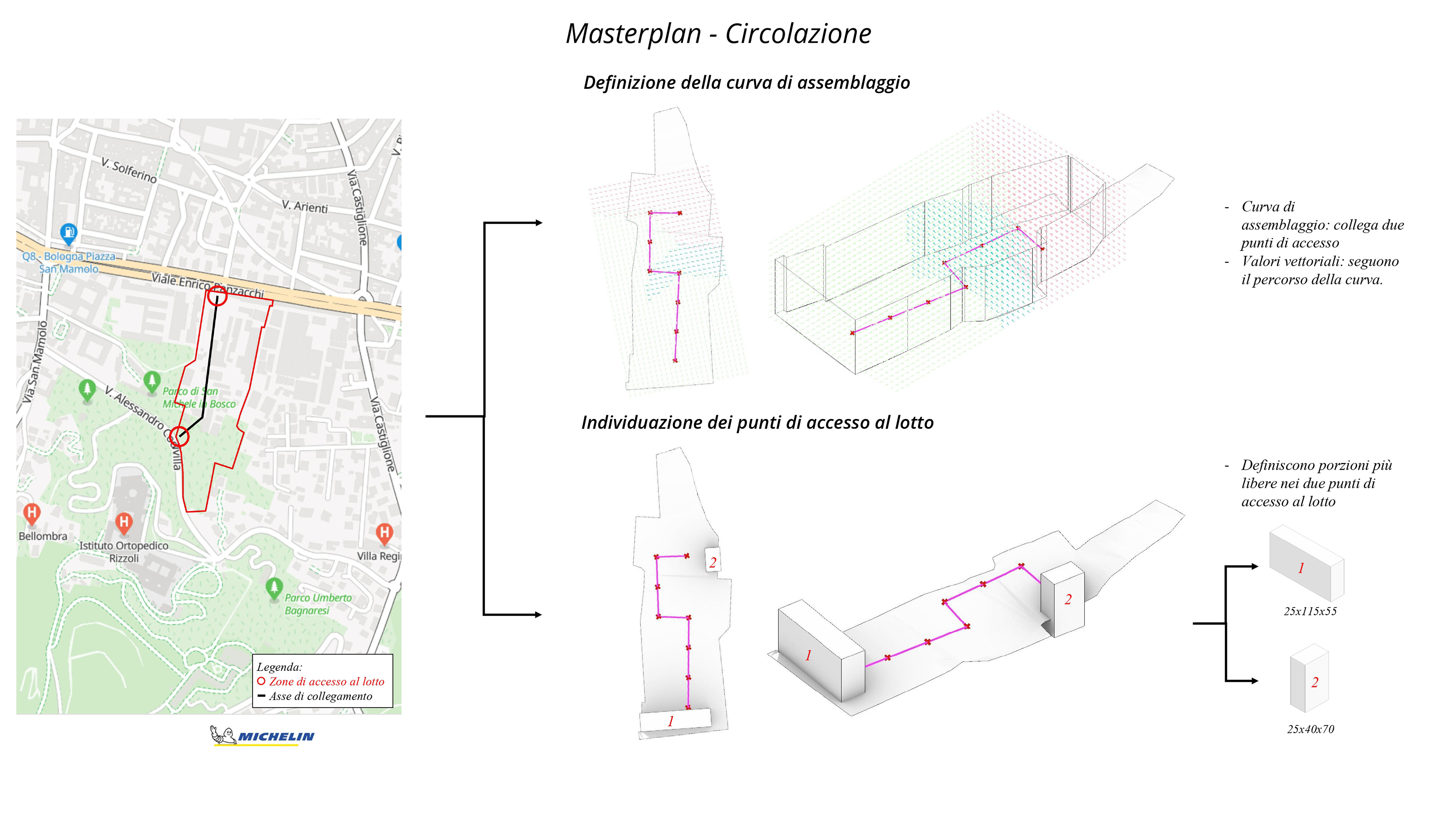
Masterplan: circulation
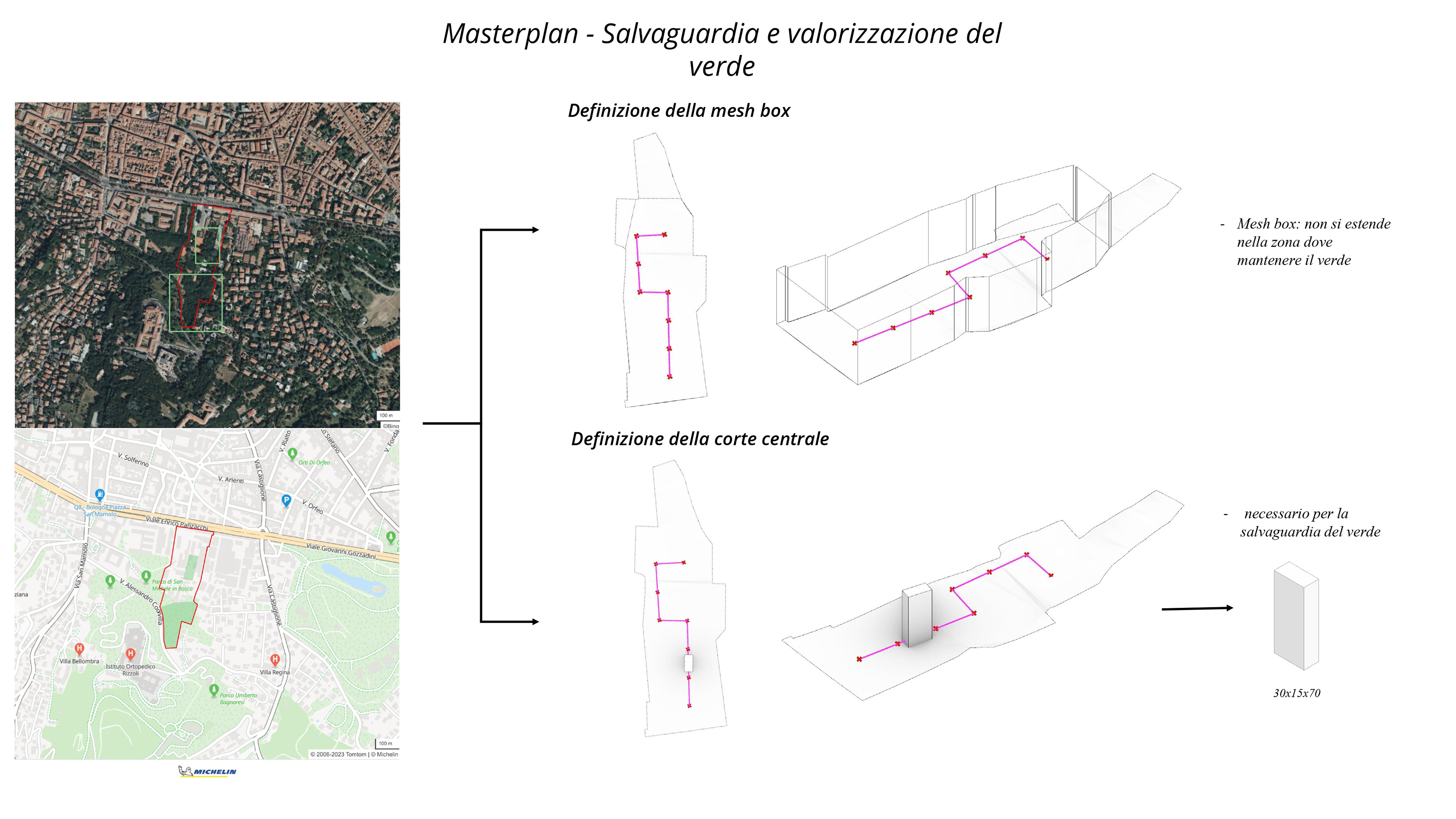
MAsterplan: Preservation and enhancement of green areas
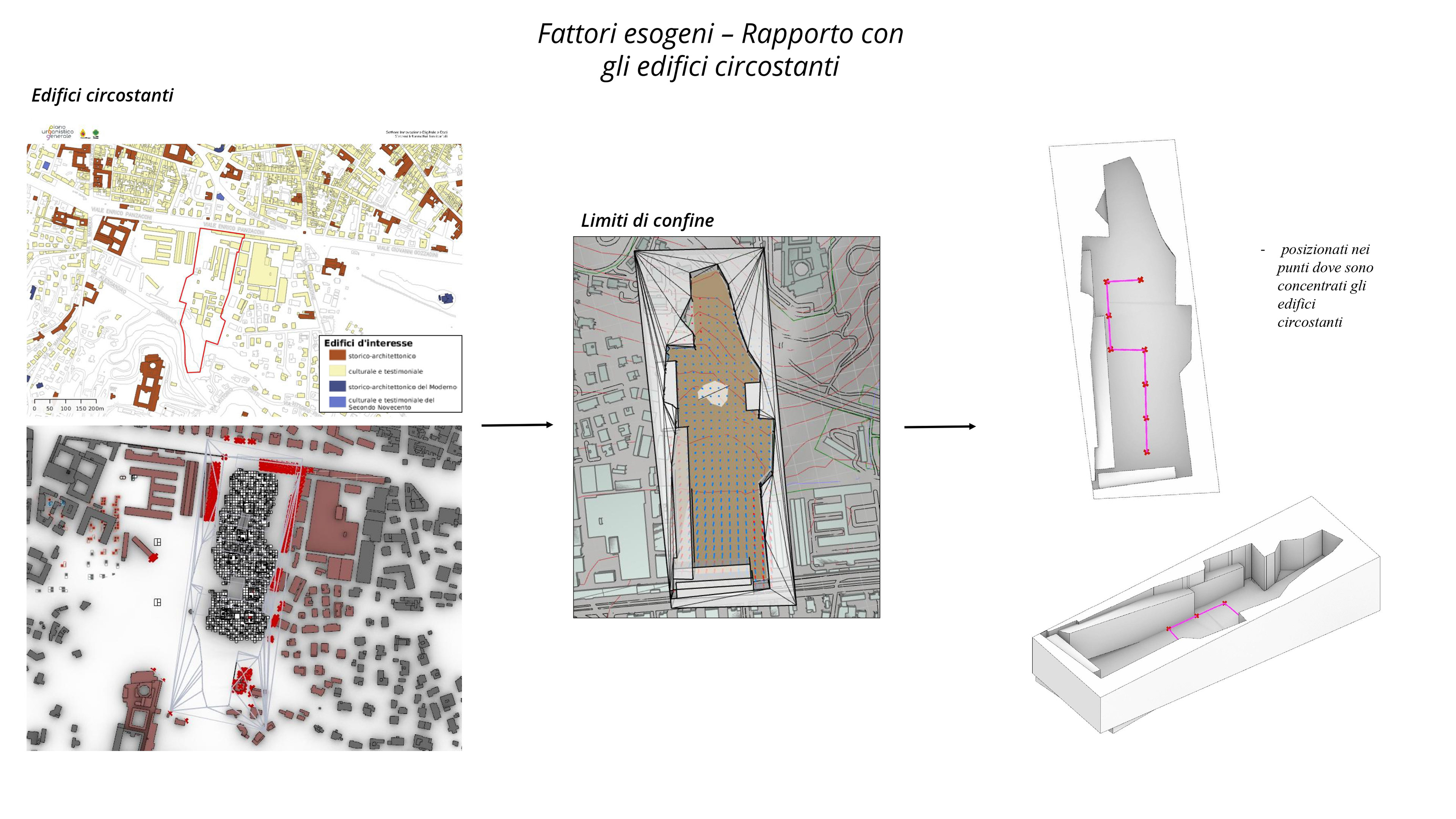
Exogenous factors: Relationship with surrounding buildings
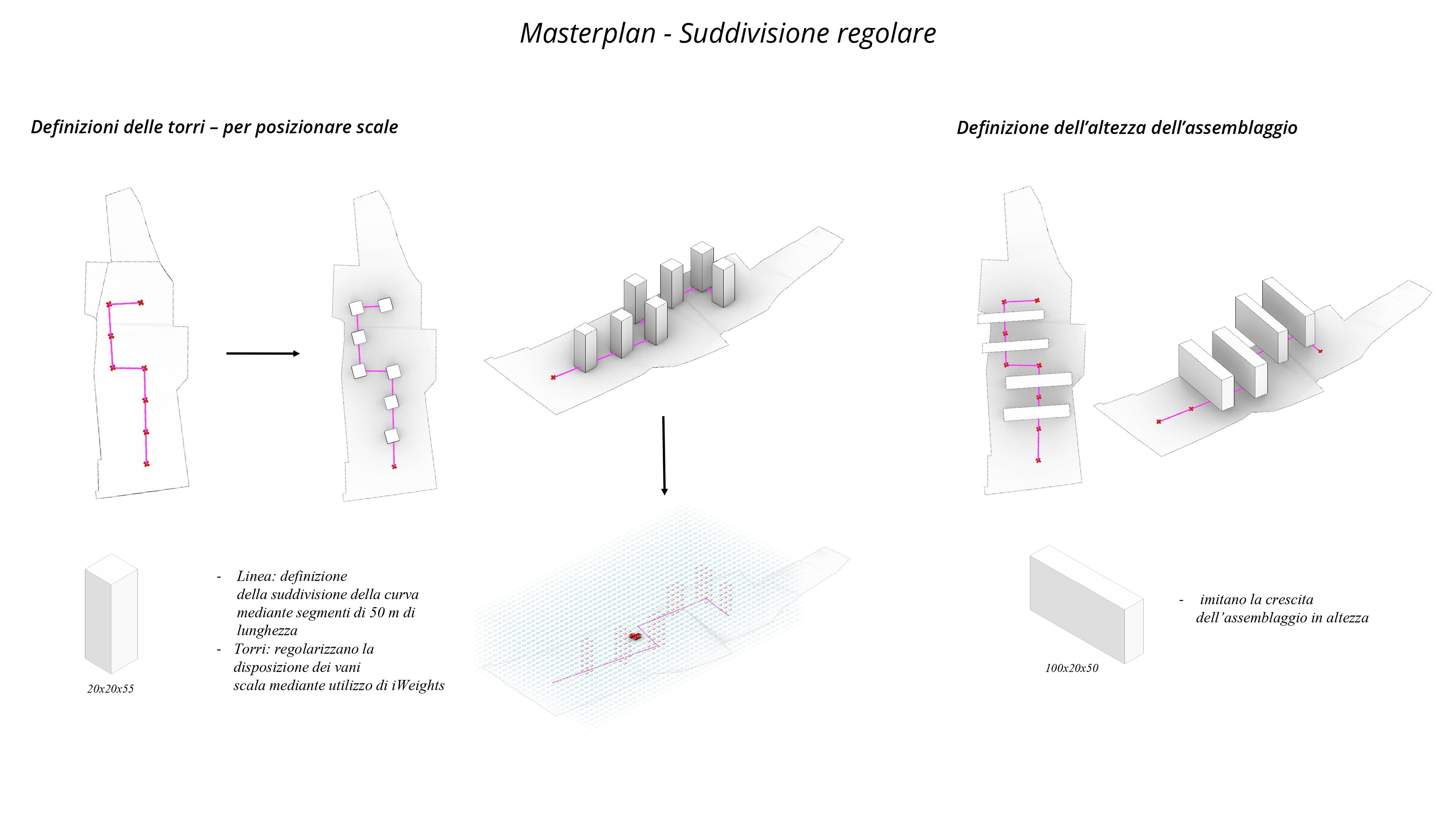
Masterplan: Regular subdivision
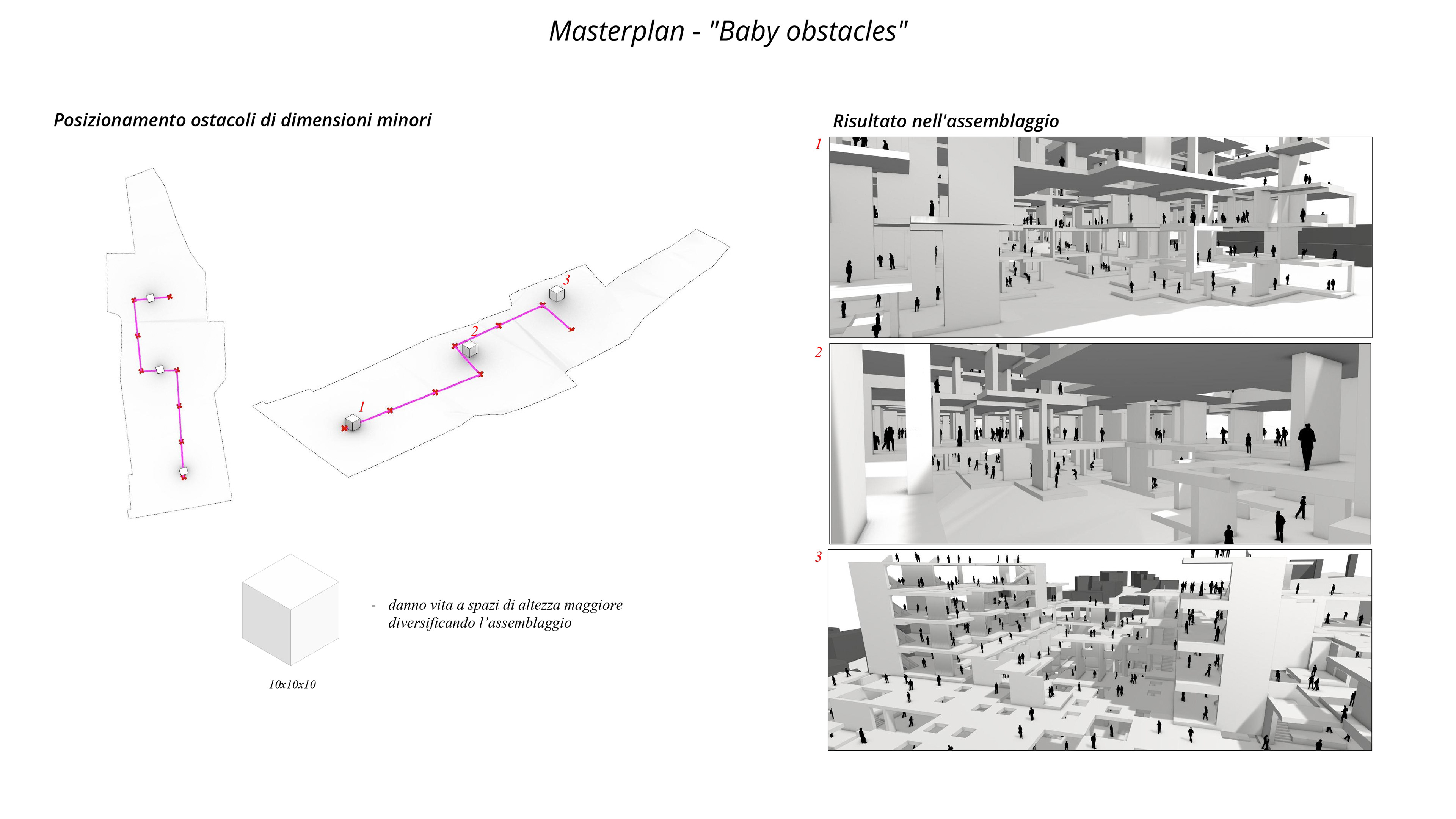
Masterplan: Baby obstacles
Starting from environmental and contextual factors, we defined a set of parameters that guided the development of the final assembly. One of the key aspects—already highlighted in the design evolution of Part 01—is the differentiation of vertical components. Two versions were developed: the "high floors" version includes three walls and a 5x5 meter roof, while the "low floors" version features a single wall, a column, and the same roof module. This allowed us to vary spatial configurations depending on the altitude and position within the system.
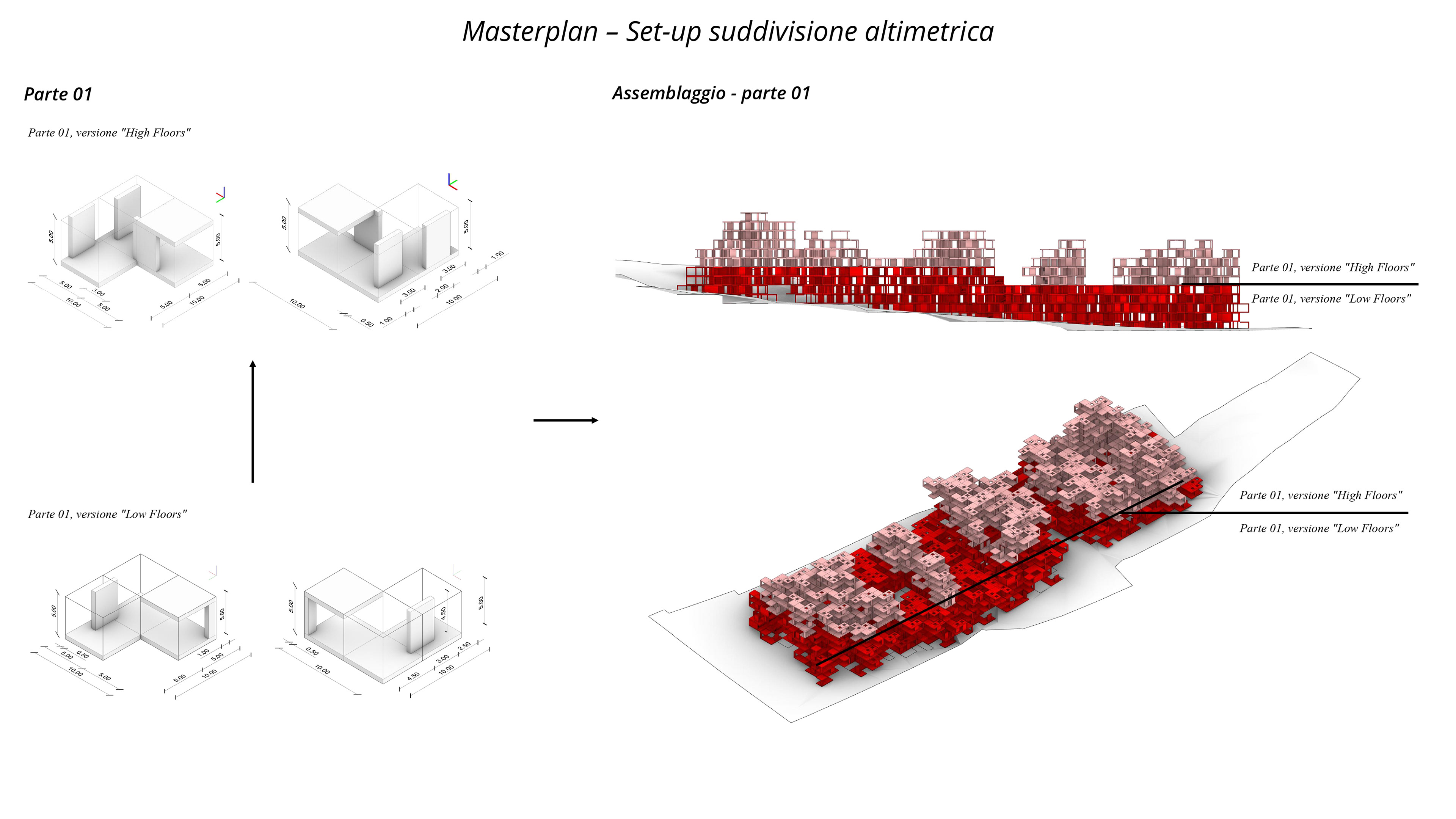
Altimetric subdivision setup
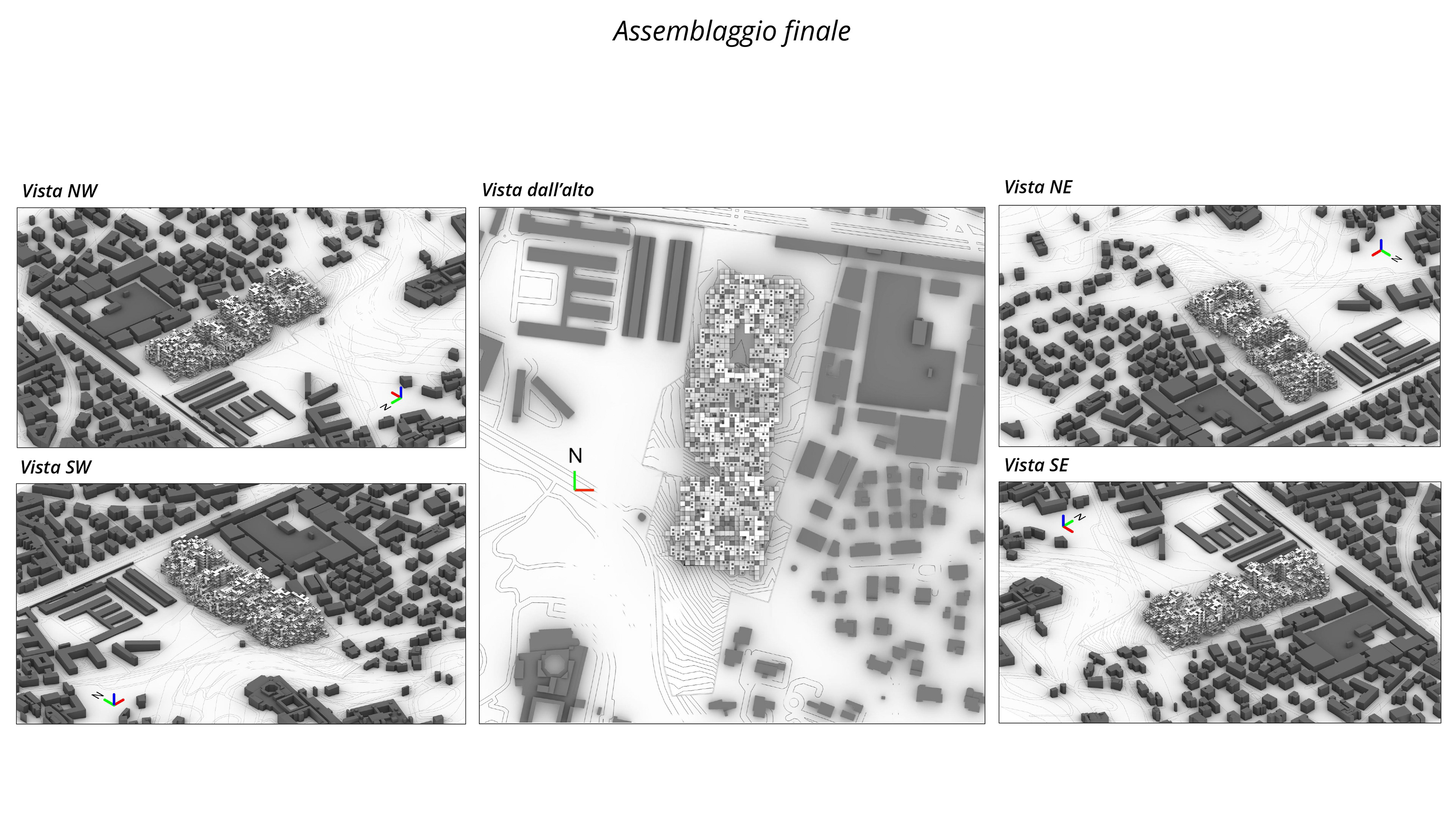
Final assembly
The final assembly is presented in different views and shown fully integrated into its urban context.
We analyzed how the combination rules were applied throughout the structure and found that the heuristic 01+01 was used most frequently. Combinations involving 02+01 were also fairly common, while those involving Part 03 were less used, as they were limited to zones specifically designated for vertical circulation.
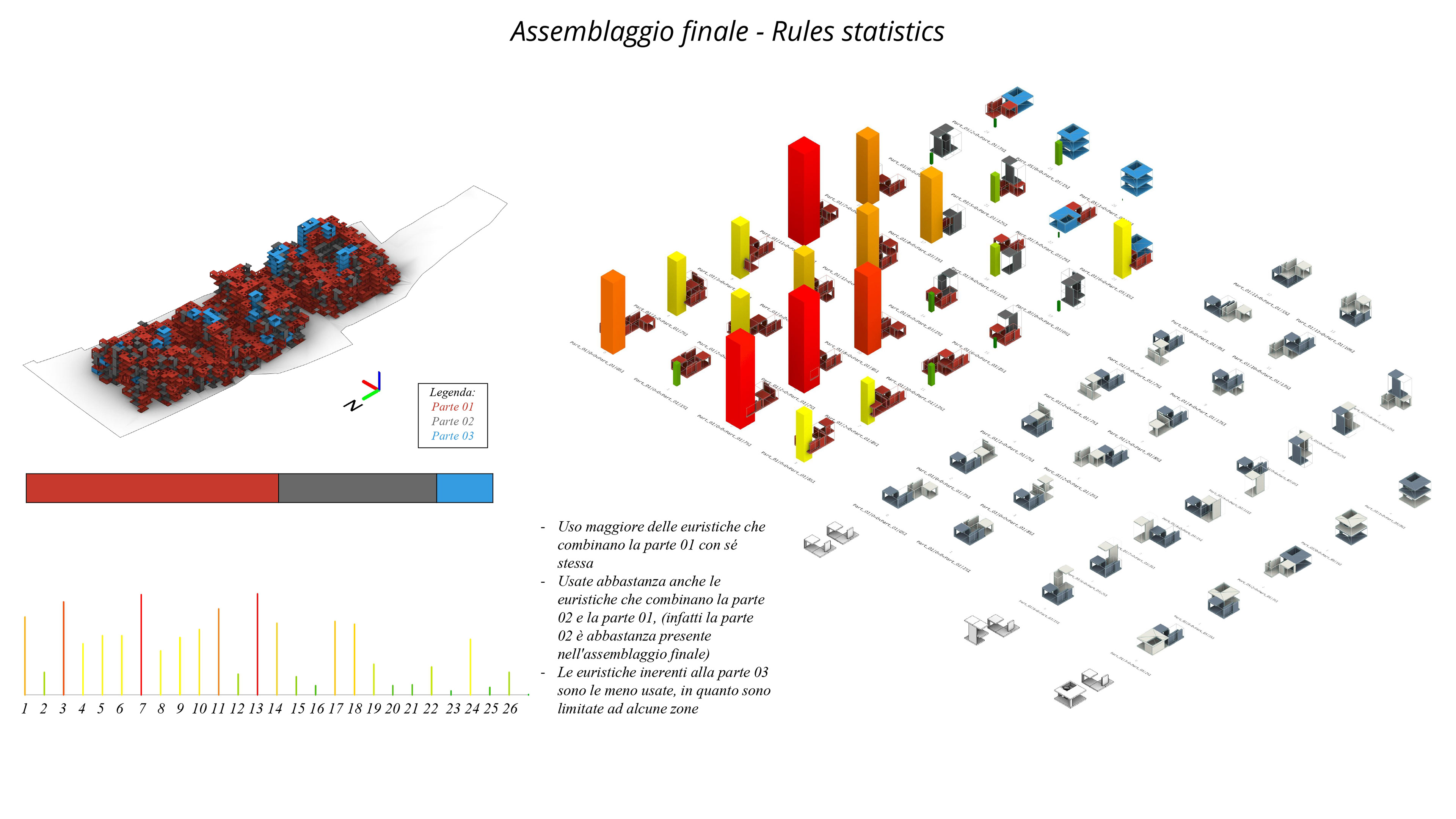
Final assembly: Rules statistics
Vertical connections were mainly systematized to place stairwells at regular intervals and key nodes. In some instances, these vertical elements were placed more freely and transformed into stepped seating areas, doubling as gathering or resting spaces.
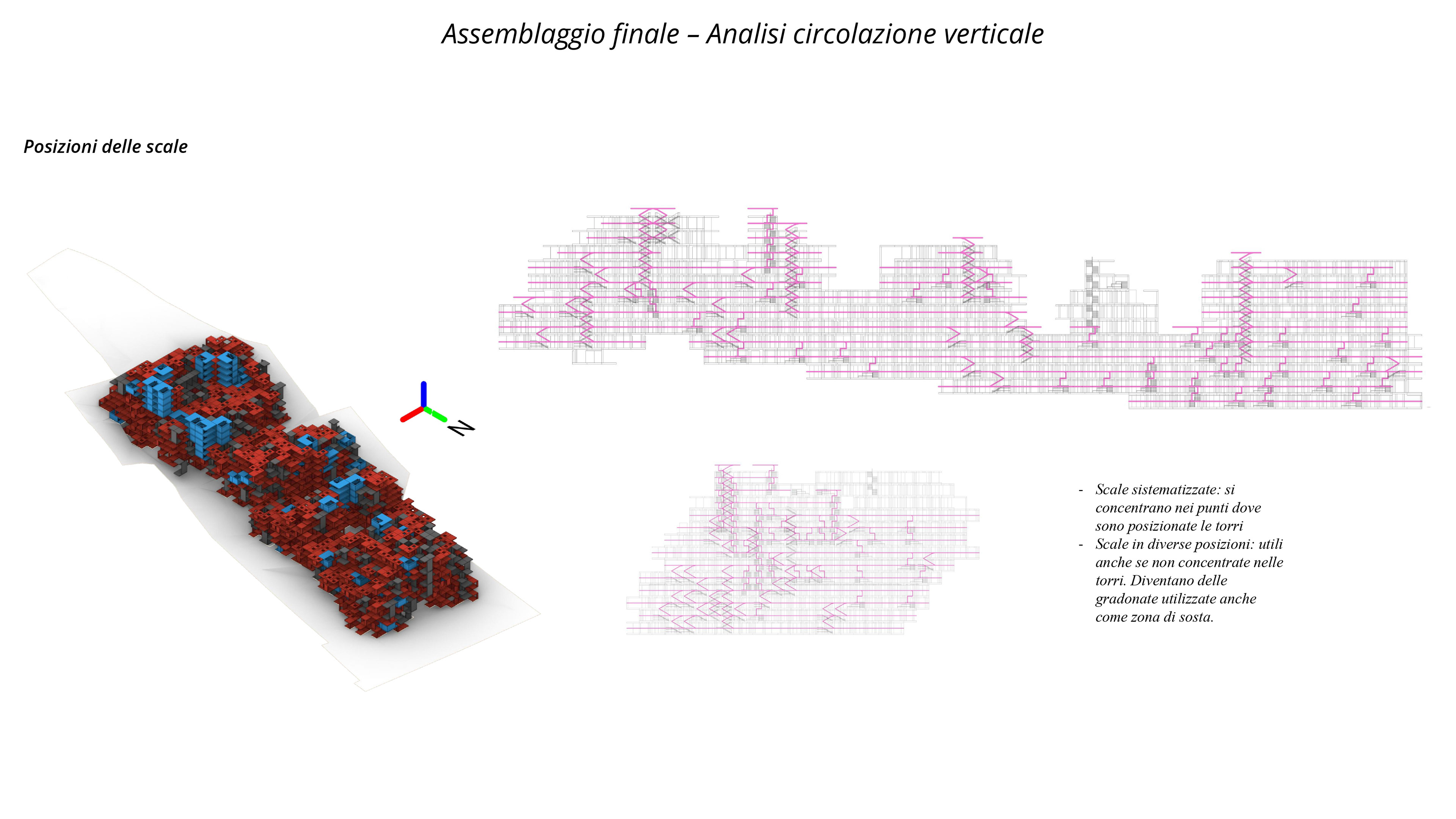
Final assembly: Vertical circulation analisys
Through this analysis, we verified the achievement of our system standardization goals. A study of the walkable floor area on each level showed that the usable space is quite extensive. This led to further evaluations of how the interior surfaces function across the assembly.
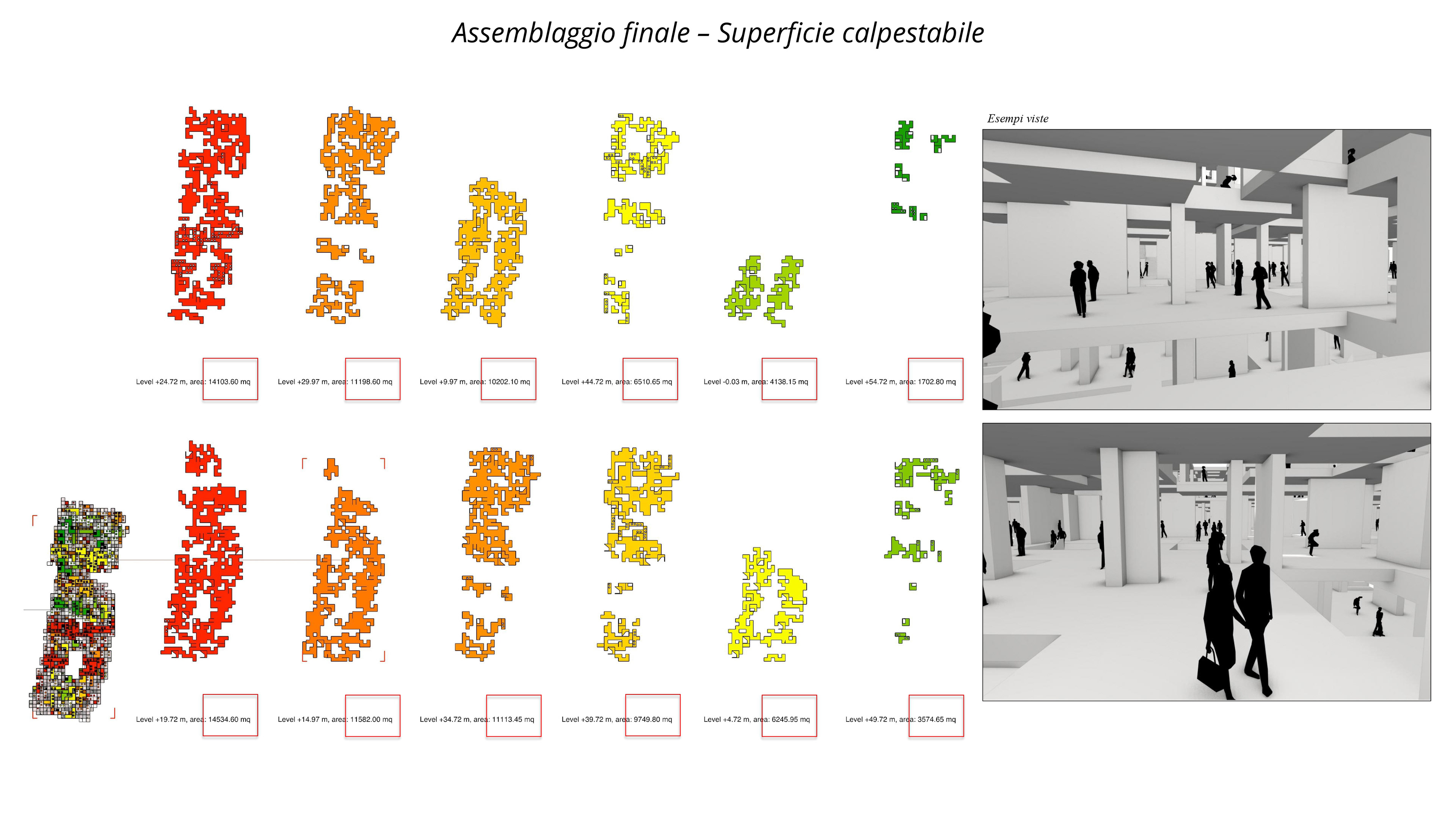
Final assembly: Walkable surface analysis
Finally, in the horizontal sections, we conducted a first characterization of different spatial zones based on the structural elements they contain. We were able to distinguish areas facing outward, areas with fewer walls and columns, zones with stepped seating, areas densely occupied by columns, and more open, less compact zones—each contributing to the architectural richness and flexibility of the overall system.
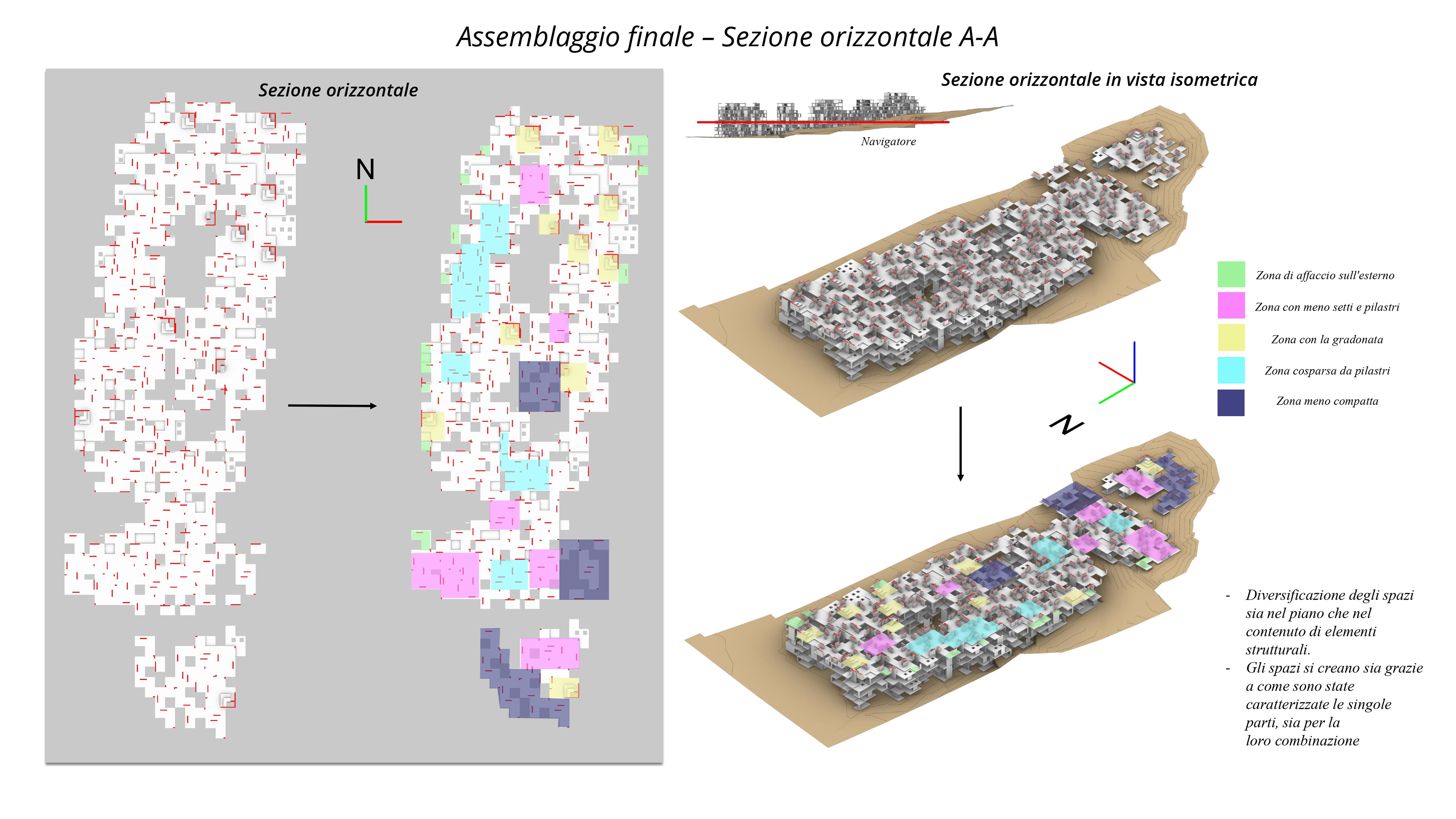
Final assembly: Section A-A
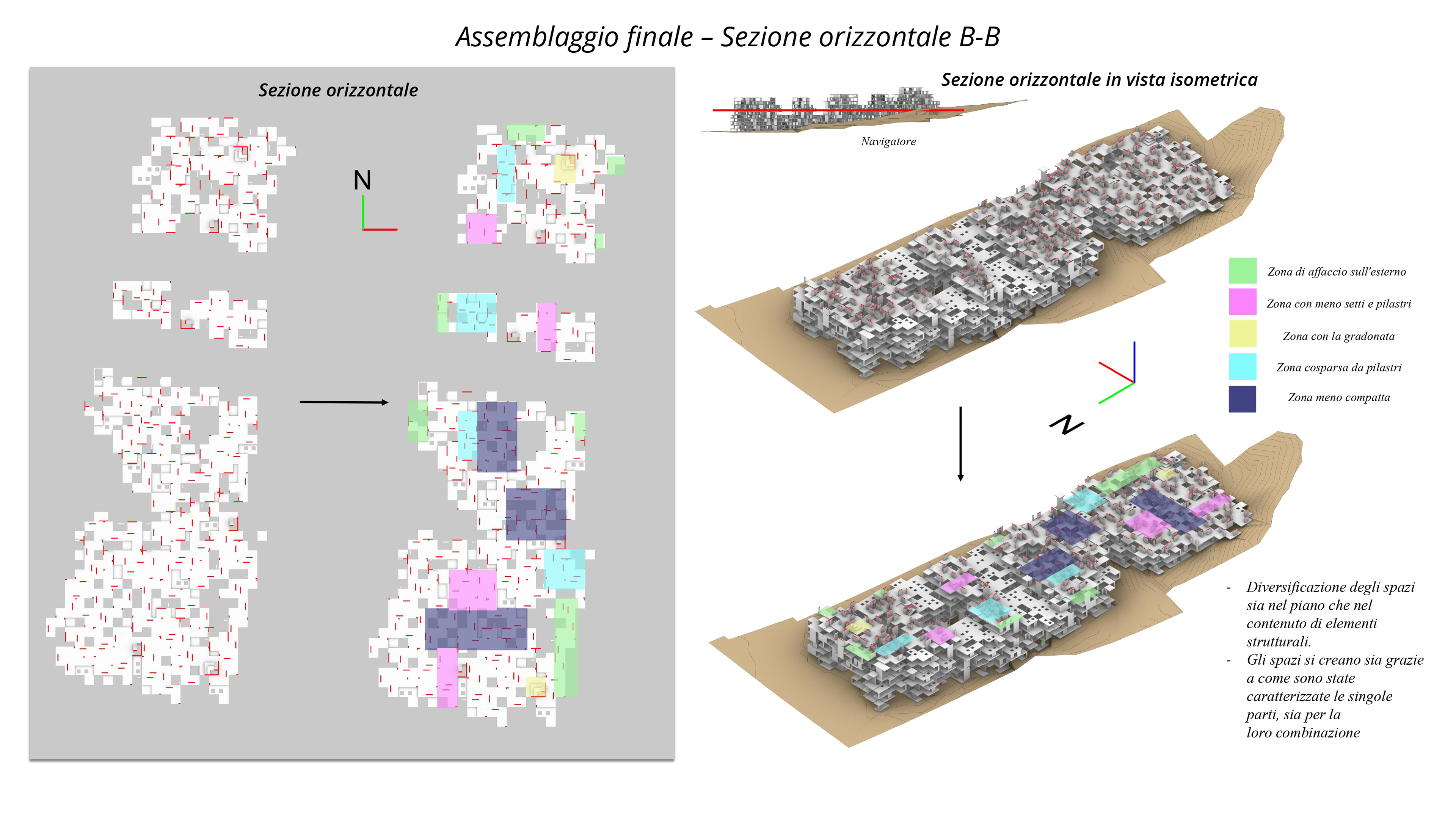
Final assembly: Section B-B
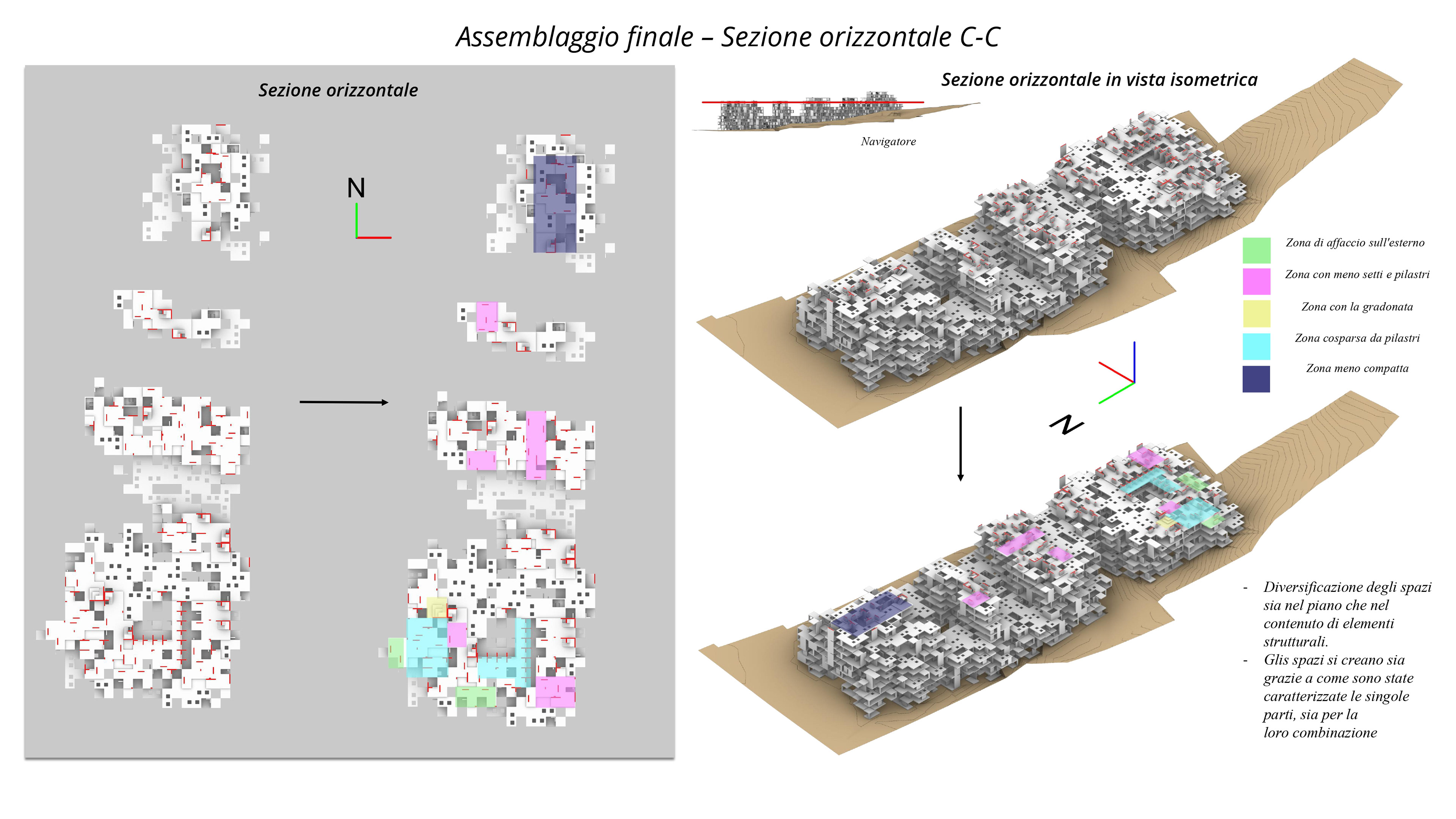
Final assembly: Section C-C
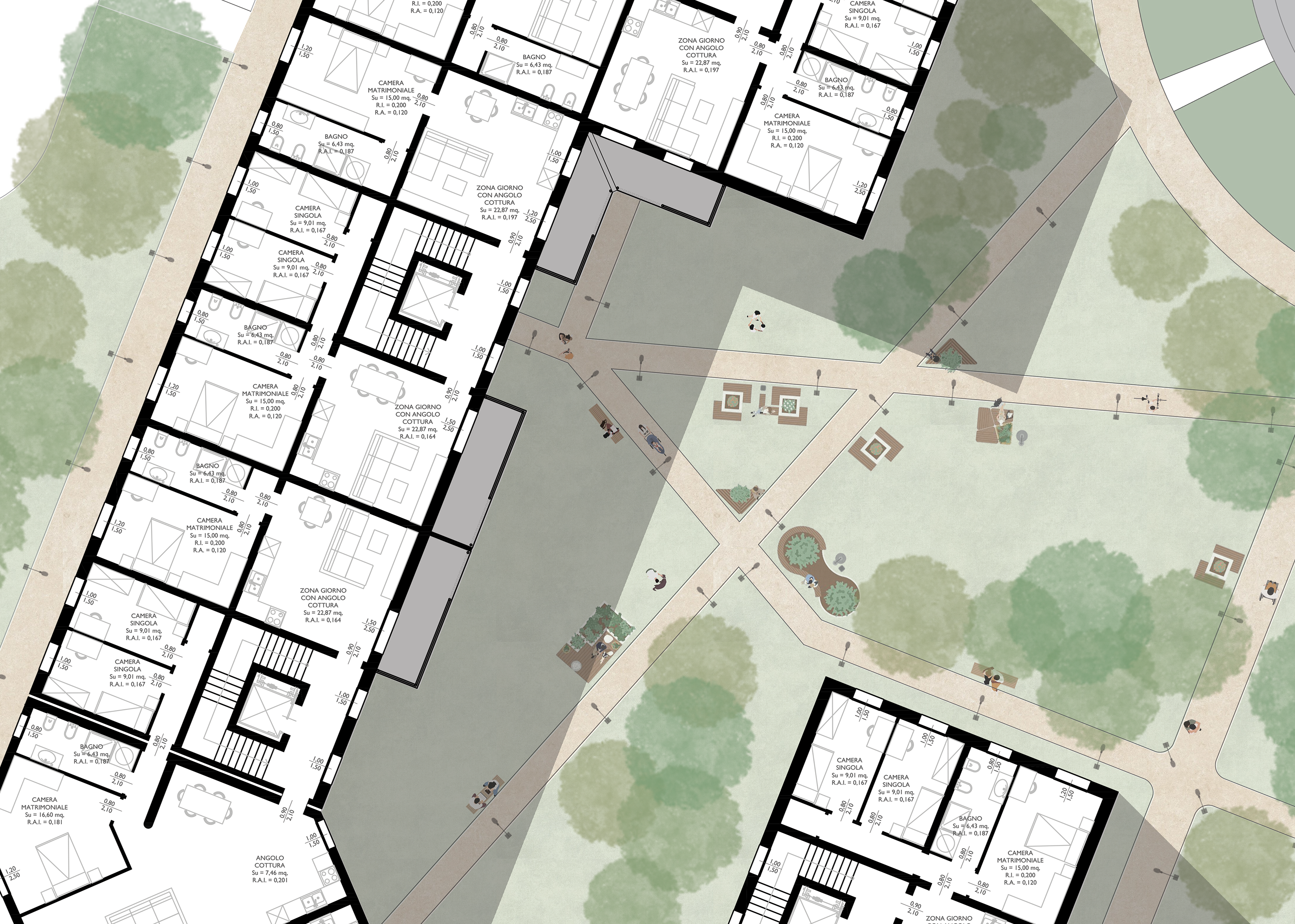
An isovist analysis was carried out to determine the visible area from each point on the floor plan. Based on this visibility mapping, we proposed different furnishing configurations tailored to each specific zone. Three main areas emerged from this study: a communal area, a more individual zone, and service areas.
Despite this zoning, we deliberately chose not to designate a single area exclusively for learning, based on the understanding that learning happens continuously — both consciously and unconsciously — and not only in predefined spaces. Therefore, the furnishings were selected to encourage free, flexible use of space, and to support both group and individual activities. The aim is to allow spaces to be appropriated in a fluid and personal way, similar to how it's done at the IAAC headquarters in Barcelona.
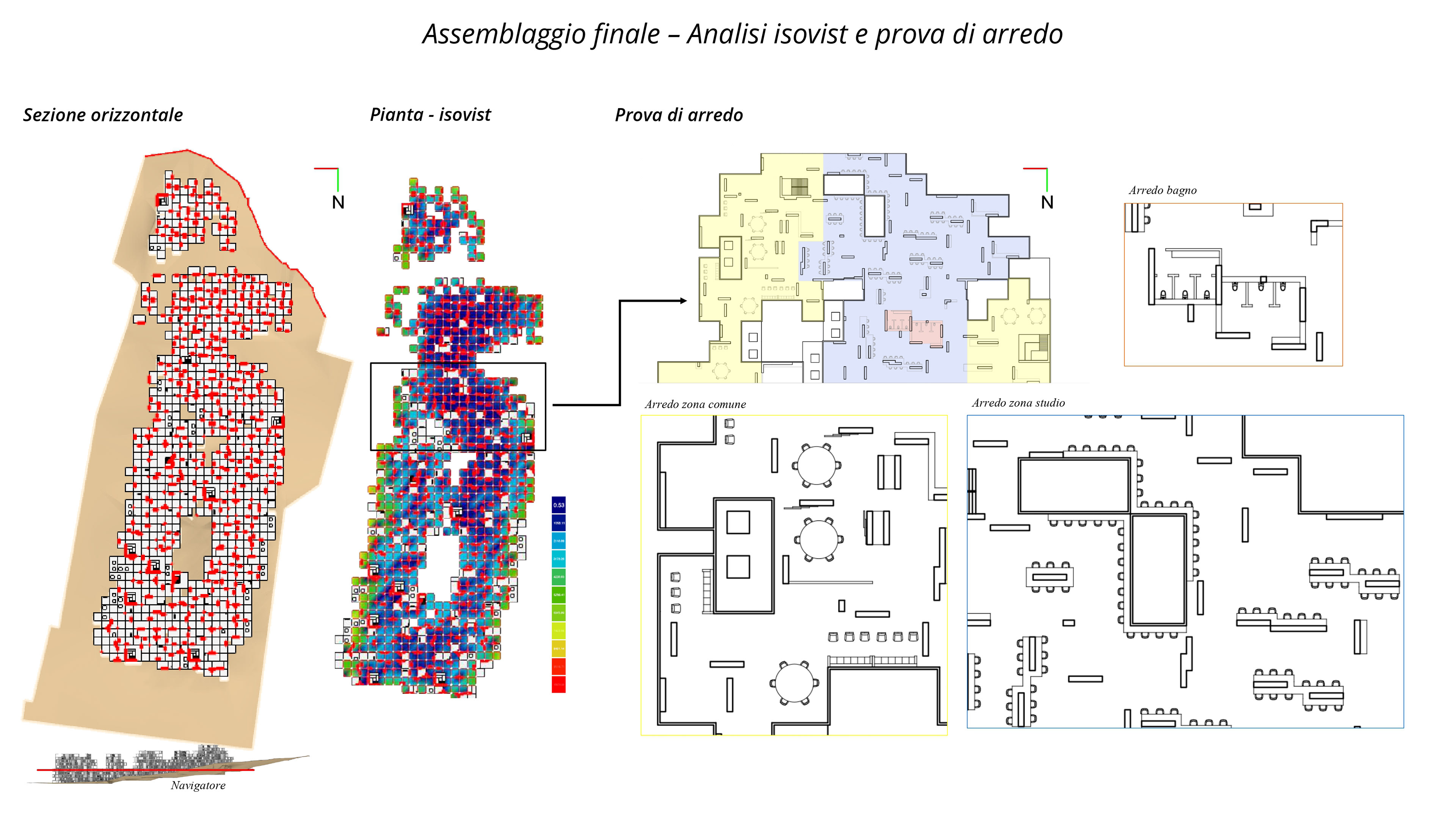
Final assembly: Isovist analysis of Section A-A
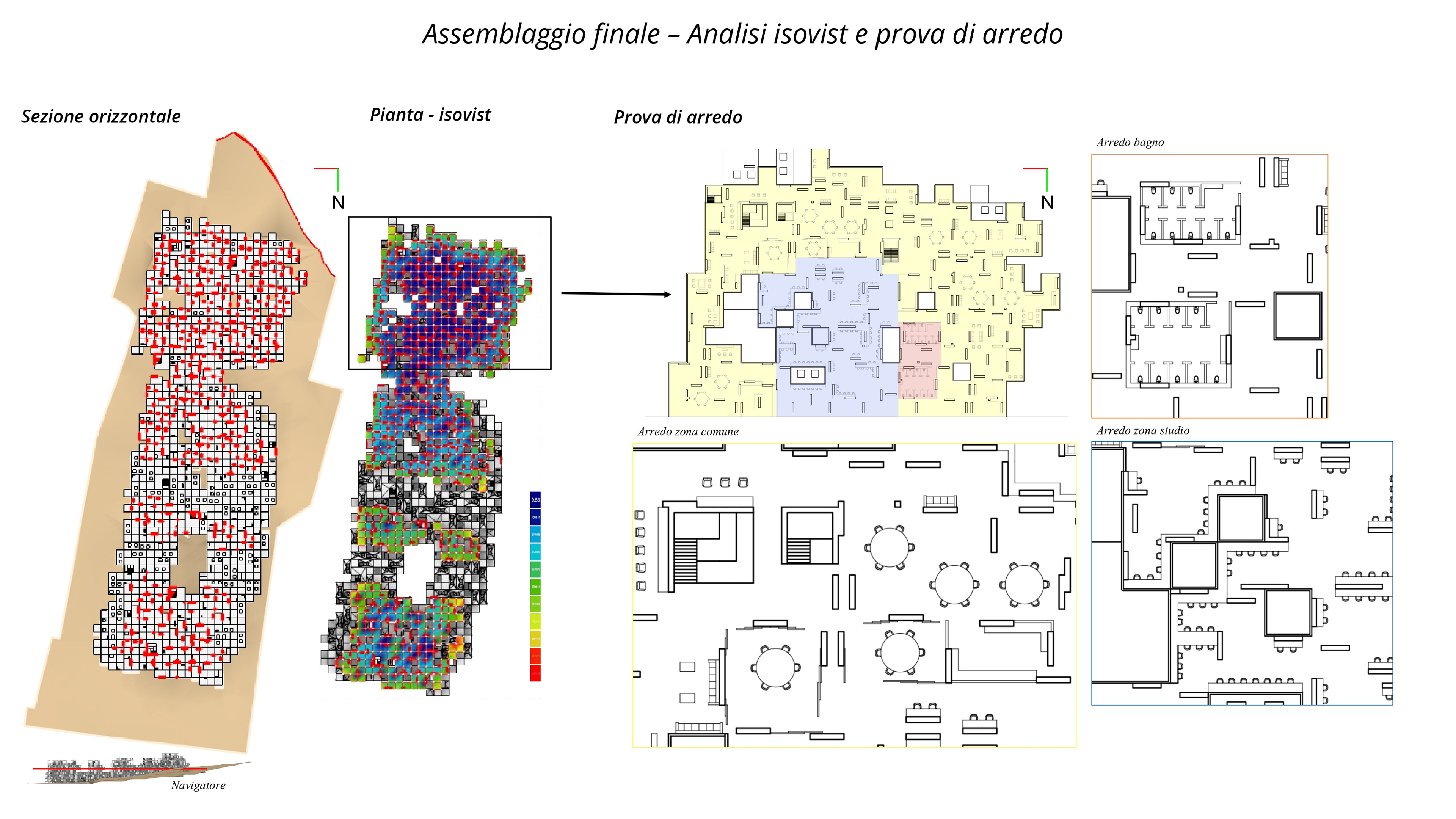
Final assembly: Isovist analysis of Section B-B
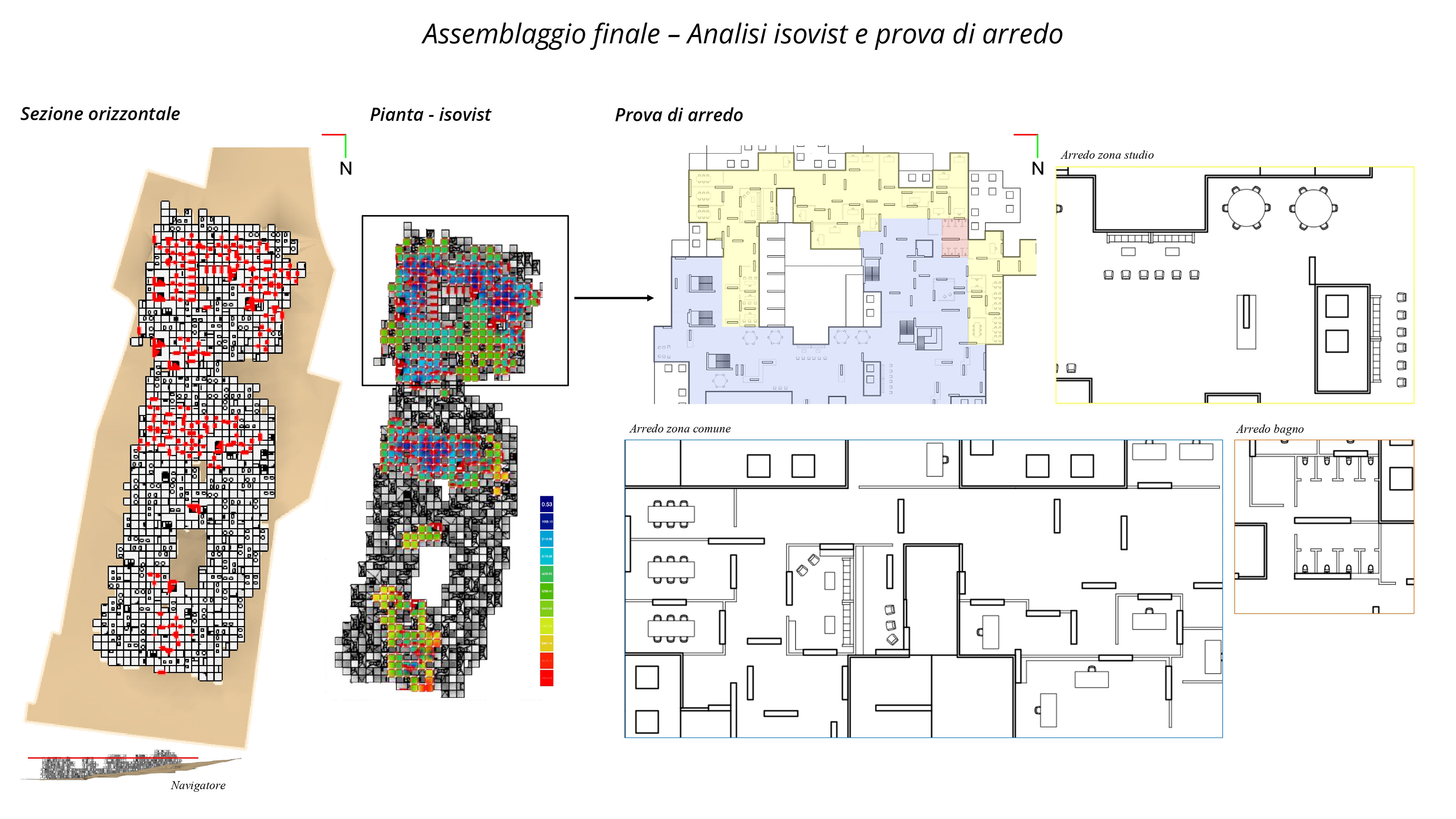
Final assembly: Isovist analysis of Section C-C
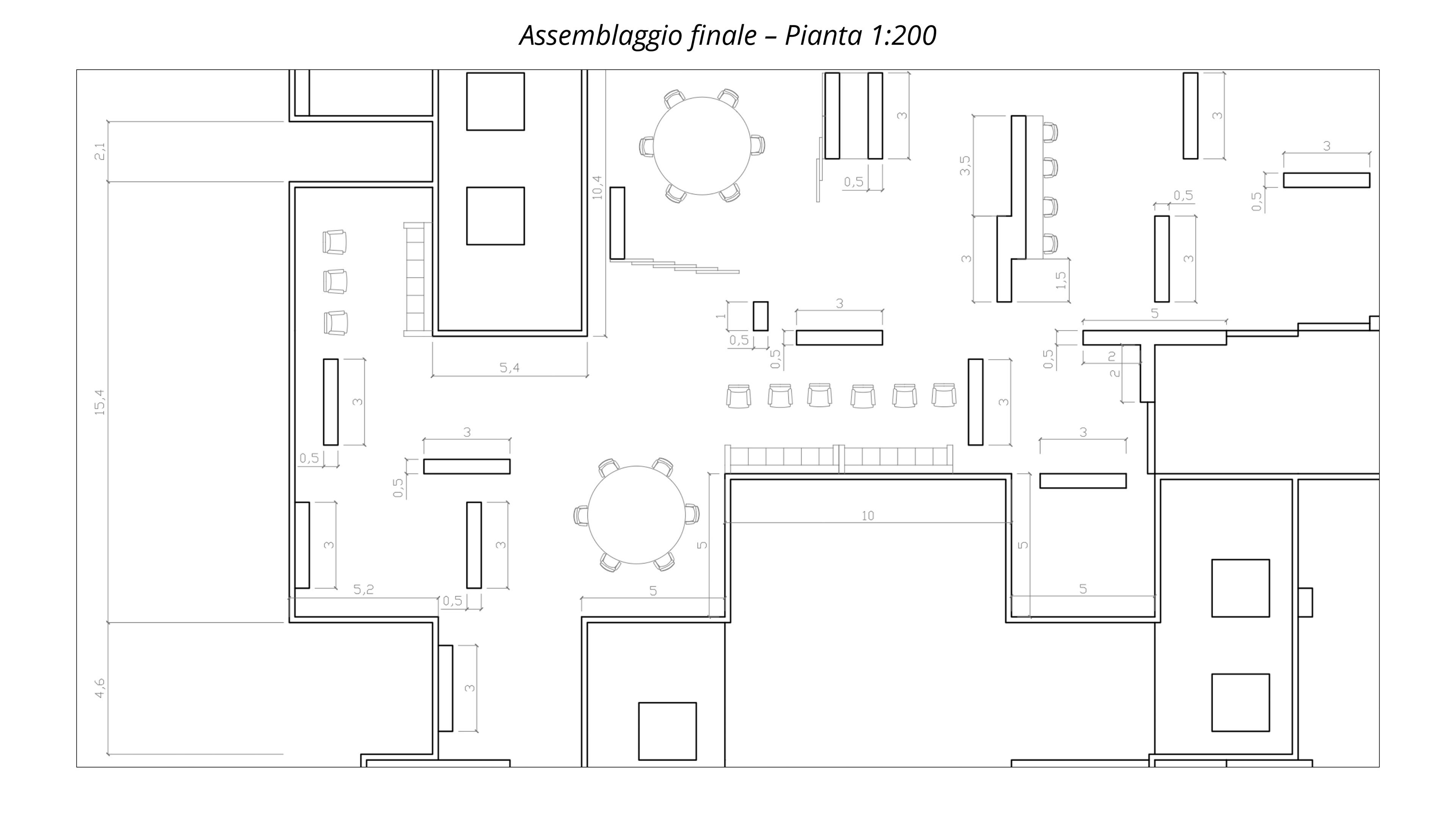
Section A-A: architectural plan
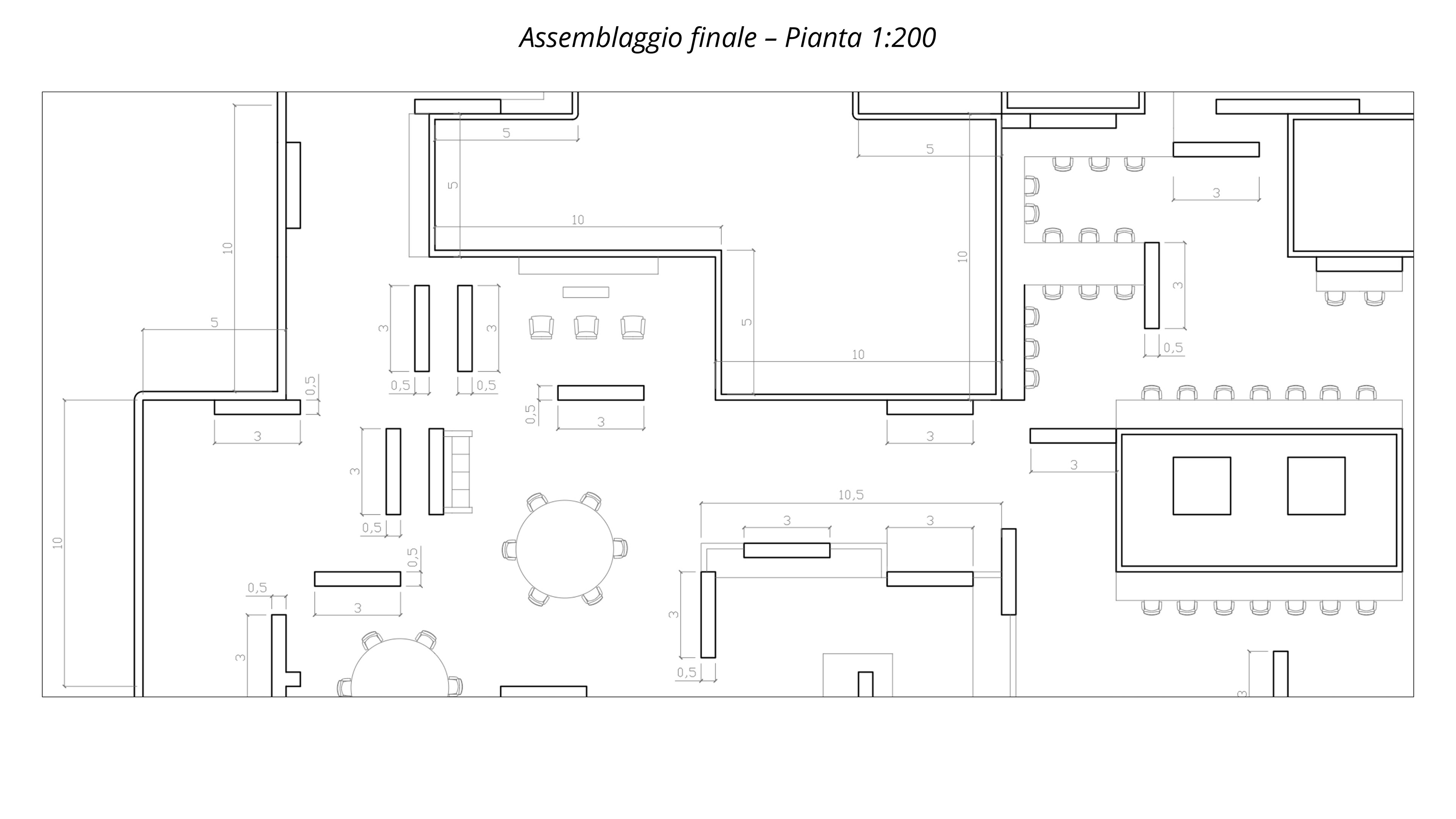
Section B-B: architectural plan
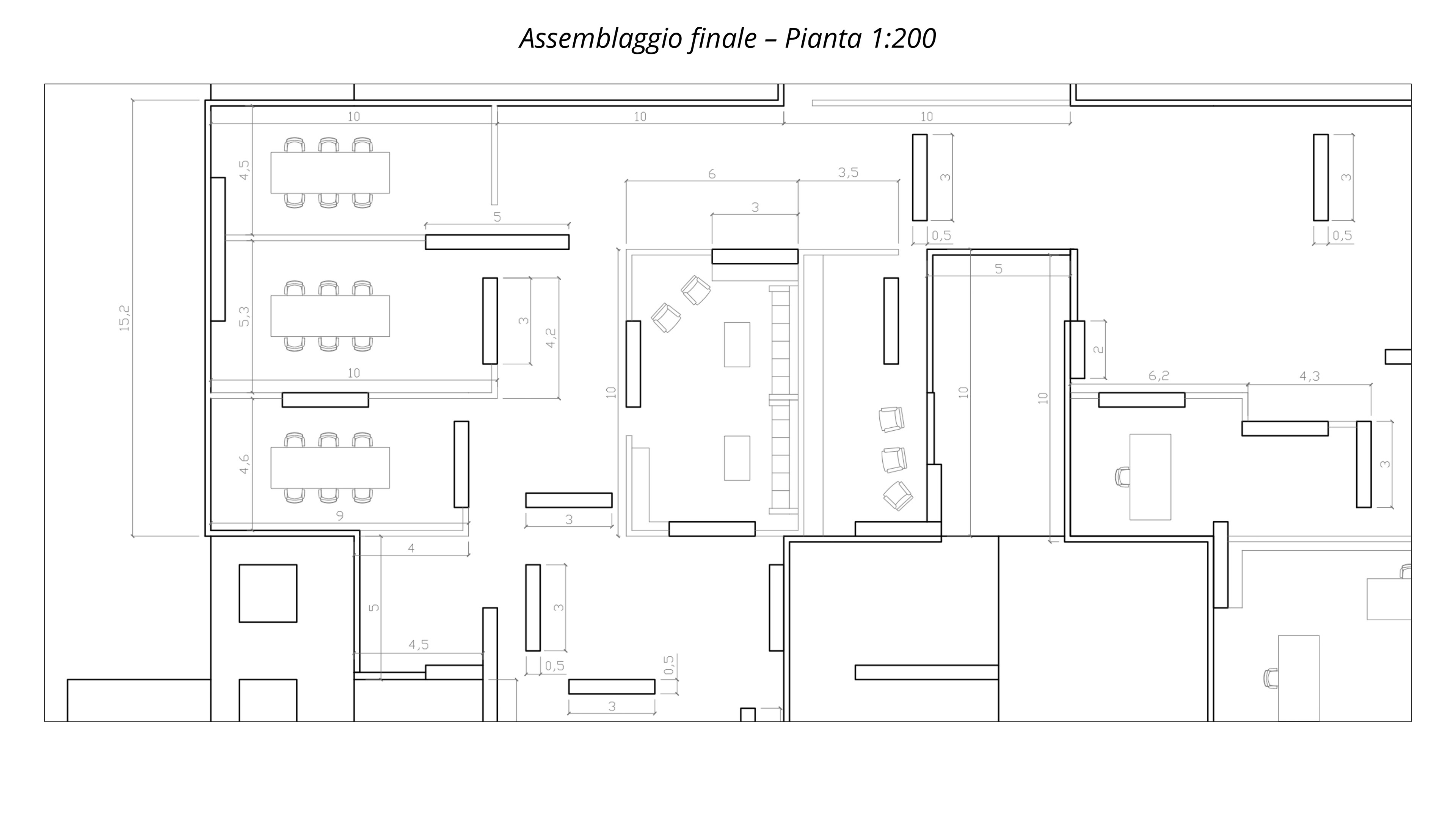
Section C-C: architectural plan
Our approach stems from the typological diagrams on spatial segmentation developed by Kim Dovey in his work Assembling Architecture, which analyzes over 300 educational institutions. We chose to apply two of these diagrams to our project:
- “Convertible classrooms and streetspace” – which enables space to remain traversable through the use of mobile partitions,
- “Dedicated commons” – spaces specifically designed for collective, non-instructional interaction.
These two configurations best supported the goals we set out to achieve. A similar concept is seen in Herman Hertzberger's Learning Street at the NHL University.
We extended the same logic and analysis to other horizontal sections of the building, ensuring consistency in our approach.
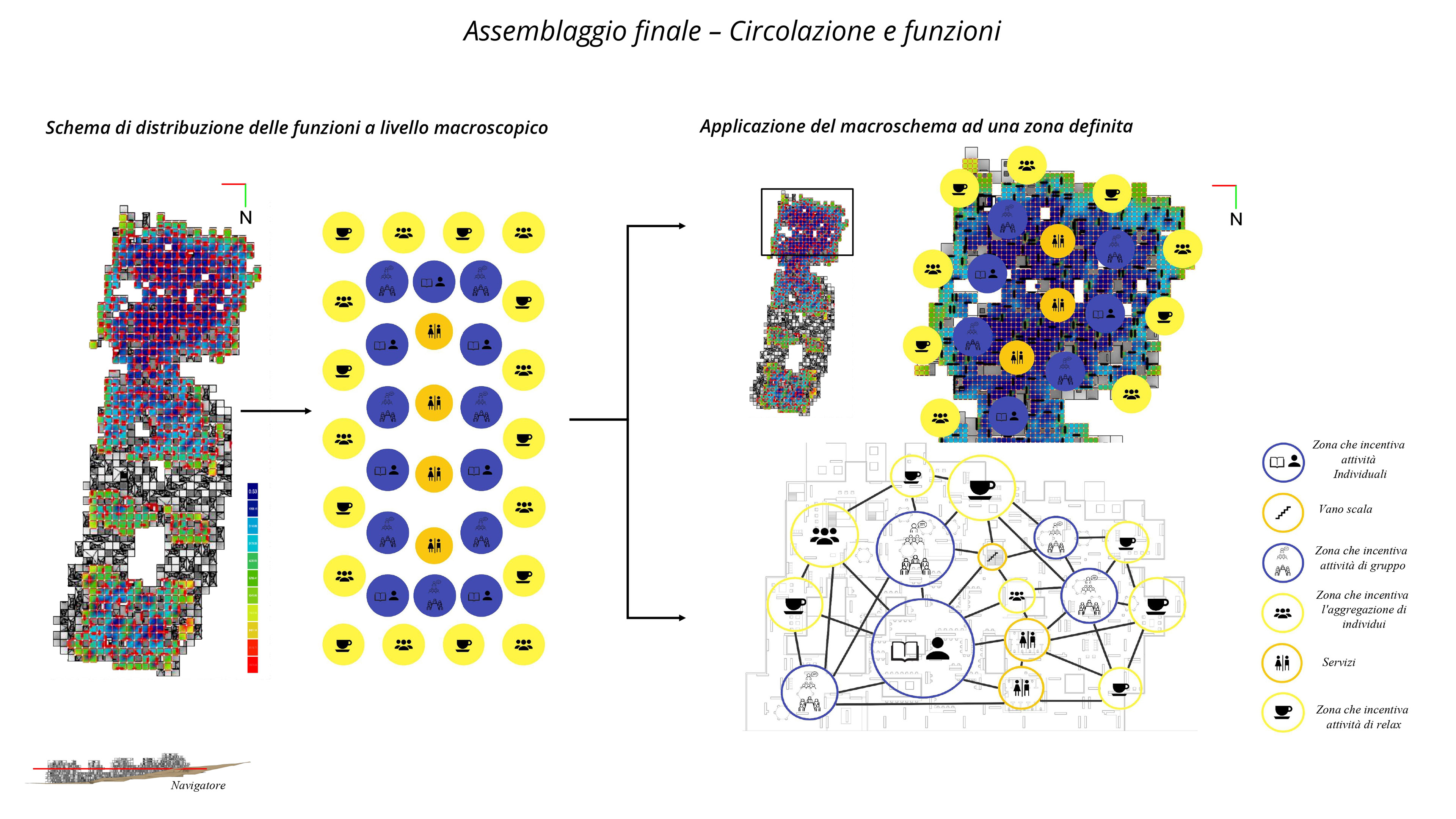
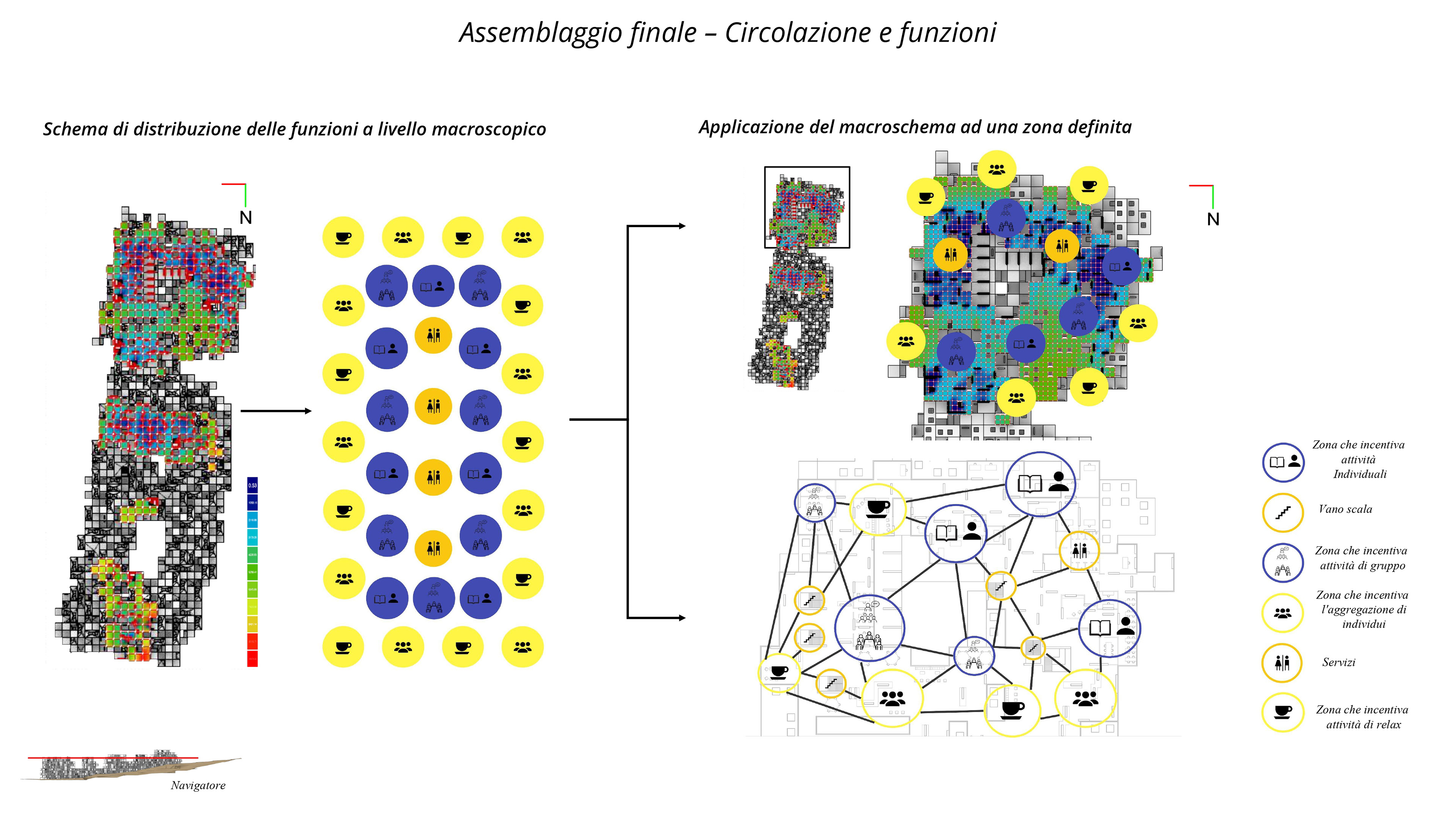
From there, we developed a macro distribution system for the different functions. We then mapped these functions on a smaller scale and conducted a topological analysis. This revealed that the spatial distribution allows for consistent and flexible connectivity between functions, forming a distributed and resilient system — one that we believe can be scaled up to the entire building plan.
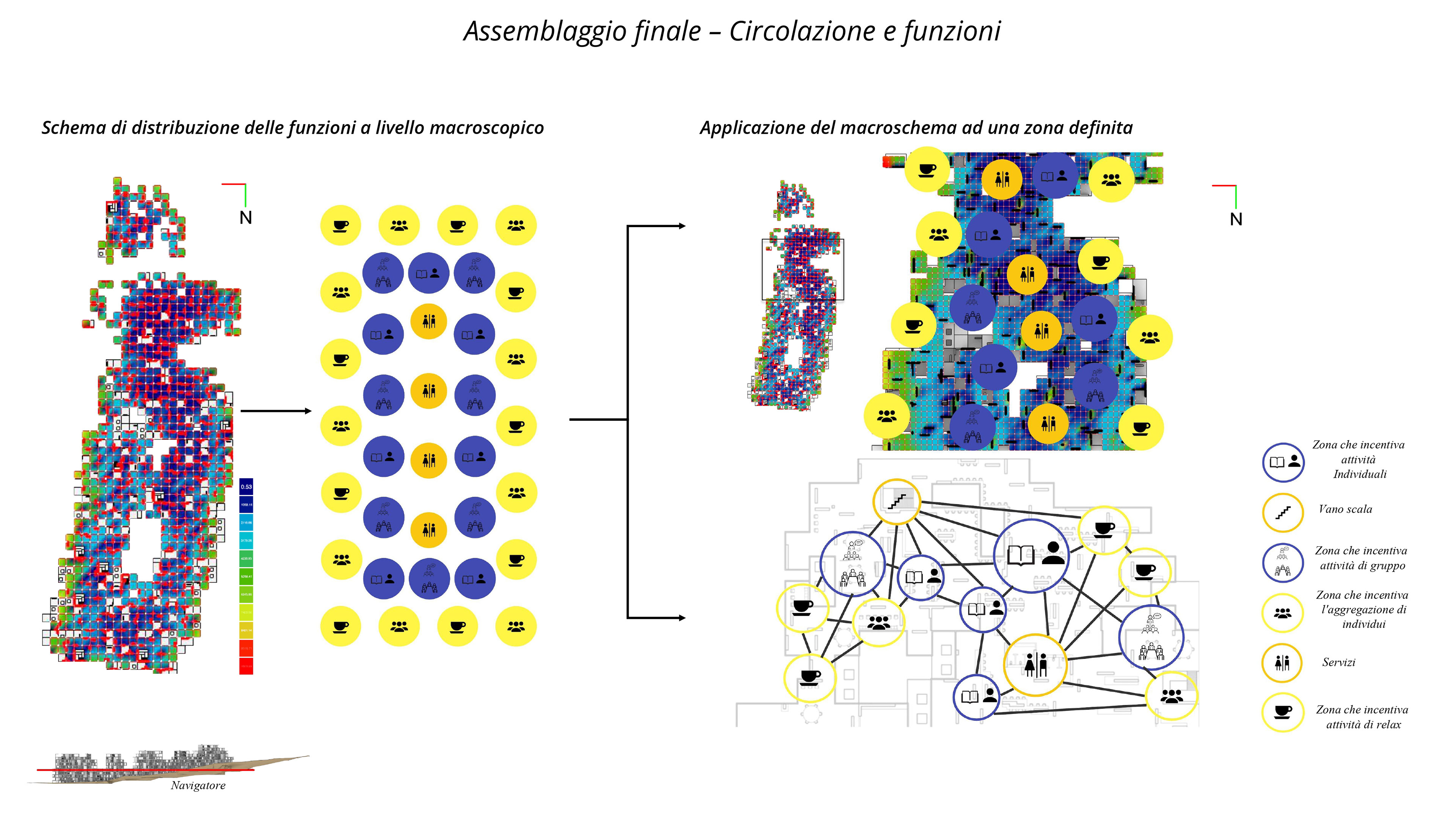
Final assembly: circulation and fuctions of section A-A
Final assembly: circulation and fuctions of section B-B
Final assembly: circulation and fuctions of section C-C
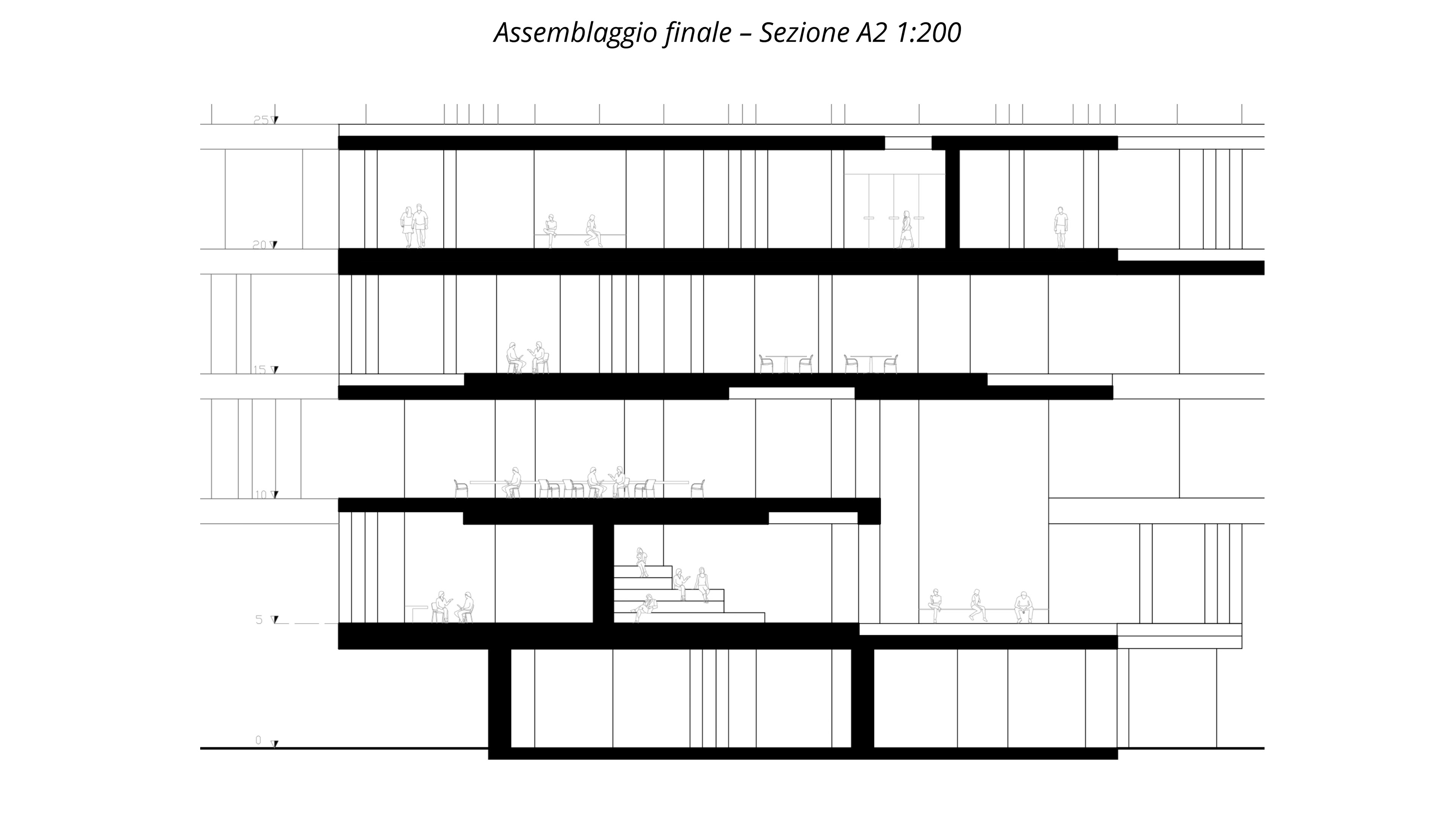
Additional sections showed altimetric differences, especially in the courtyard areas. The upper parts of the building are more enclosed and feature more vertical partitioning elements, making them suitable for offices. In contrast, the lower levels are more open and spacious, encouraging group interaction in the common areas.
We created 1:200 sections with detailed elevation and furnishing annotations to illustrate these distinctions.
These views clearly show the three key types of zones:
- spaces that encourage group activity,
- spaces for individual study,
- and areas promoting social interaction and spontaneous gathering.
Our analysis confirms that the two main objectives of the project have been successfully met.
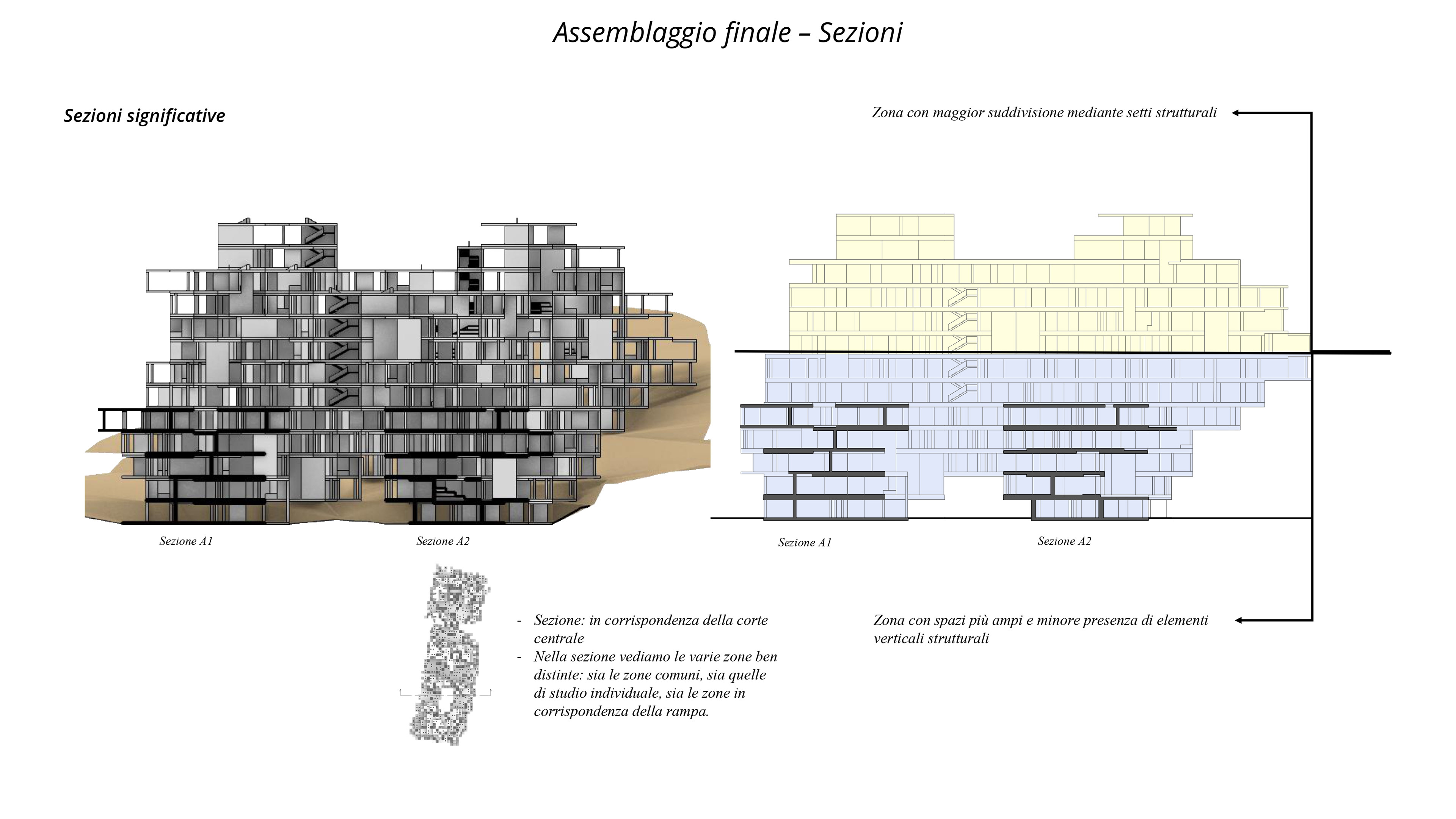
Final assembly: vertical sections
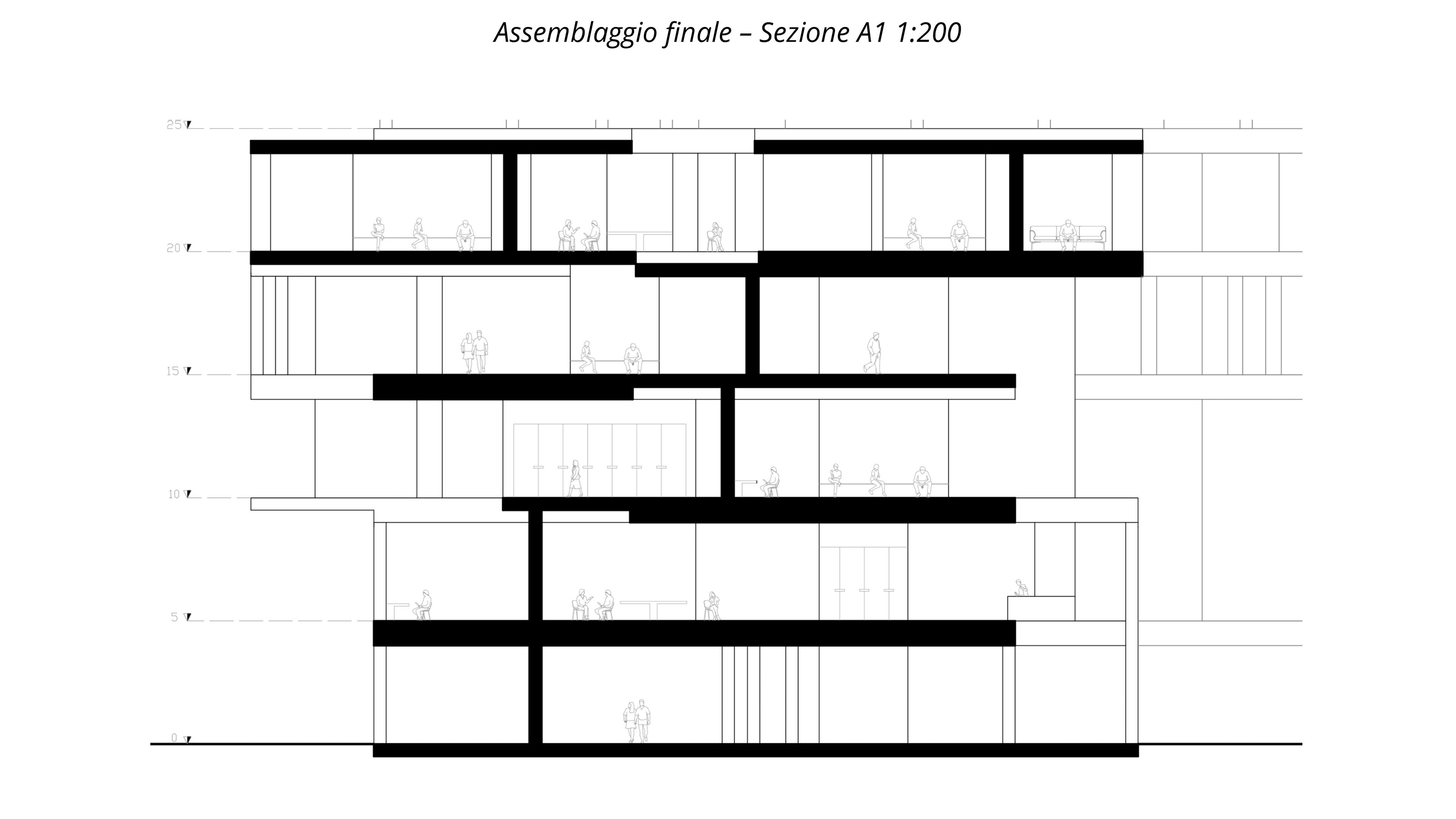
Final assembly: vertical section 1
Final assembly: vertical section 2
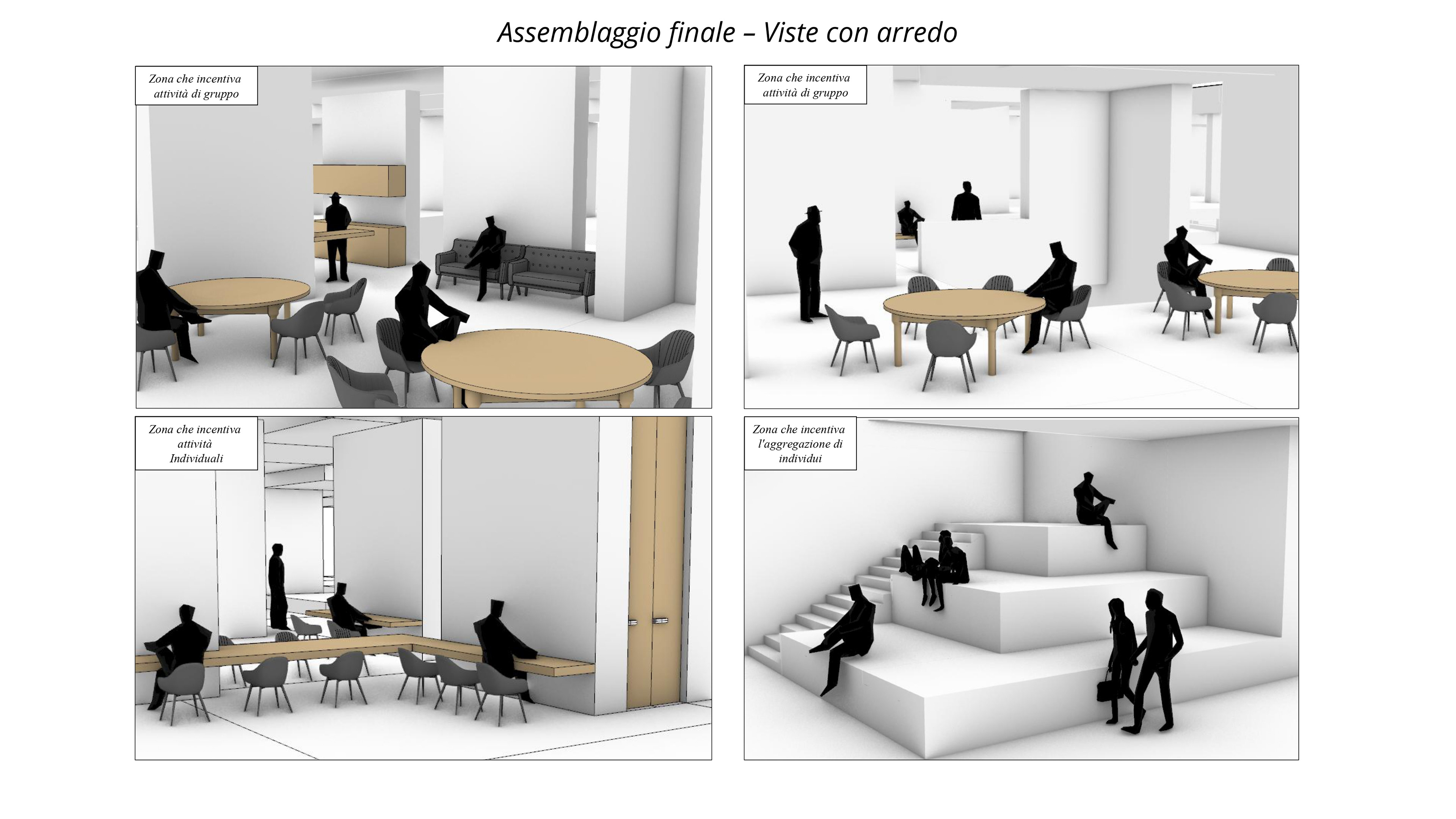
Final assembly: Furnished views
We also analyzed the walkability of the building — both at the local scale and in terms of the overall layout — by identifying the shortest paths between two selected points and mapping the farthest distance across the structure.
Furthermore, we investigated the circulation frequency within the building. One of our goals was to neutralize the notion of “corridor space”: rather than allocating spaces solely for circulation, we designed the layout so that movement flows through functional, usable areas. The idea is that movement occurs through active zones, not separate from them. Of course, movement is accommodated — but not isolated.
This confirms the circulation objective has been successfully addressed, along with all other key project goals.
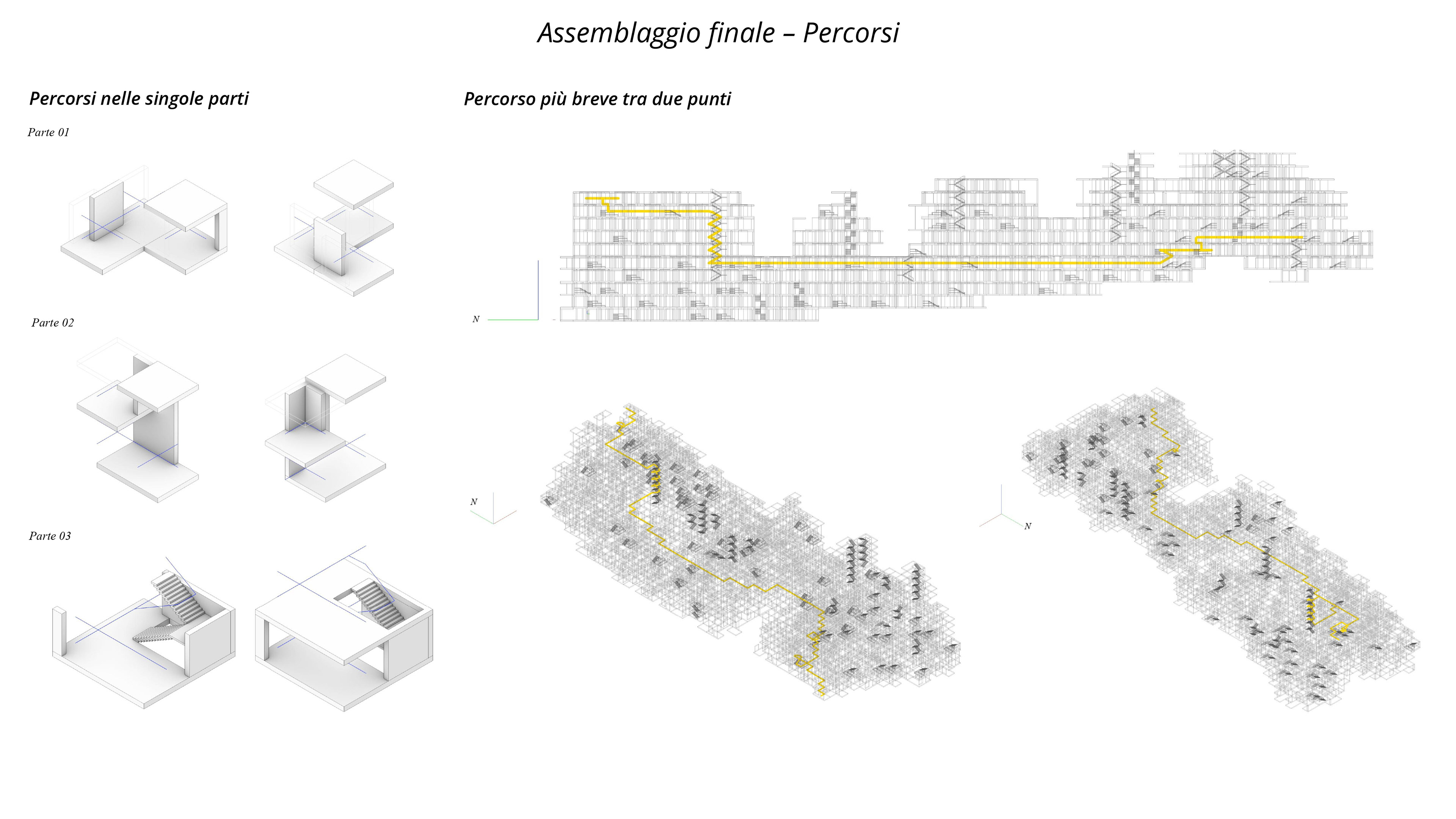
Final assembly: circulation paths
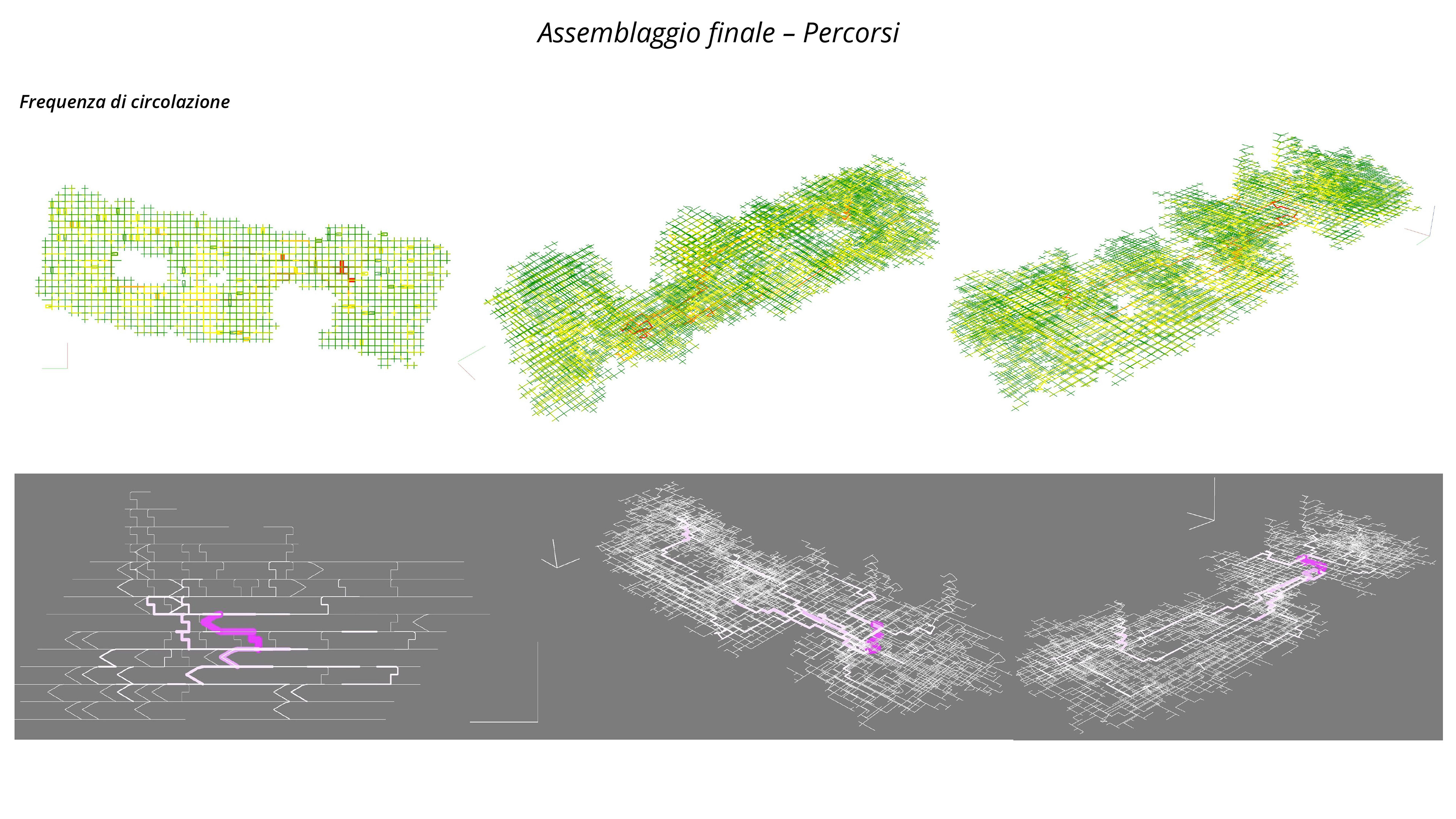
Final assembly: circulation paths
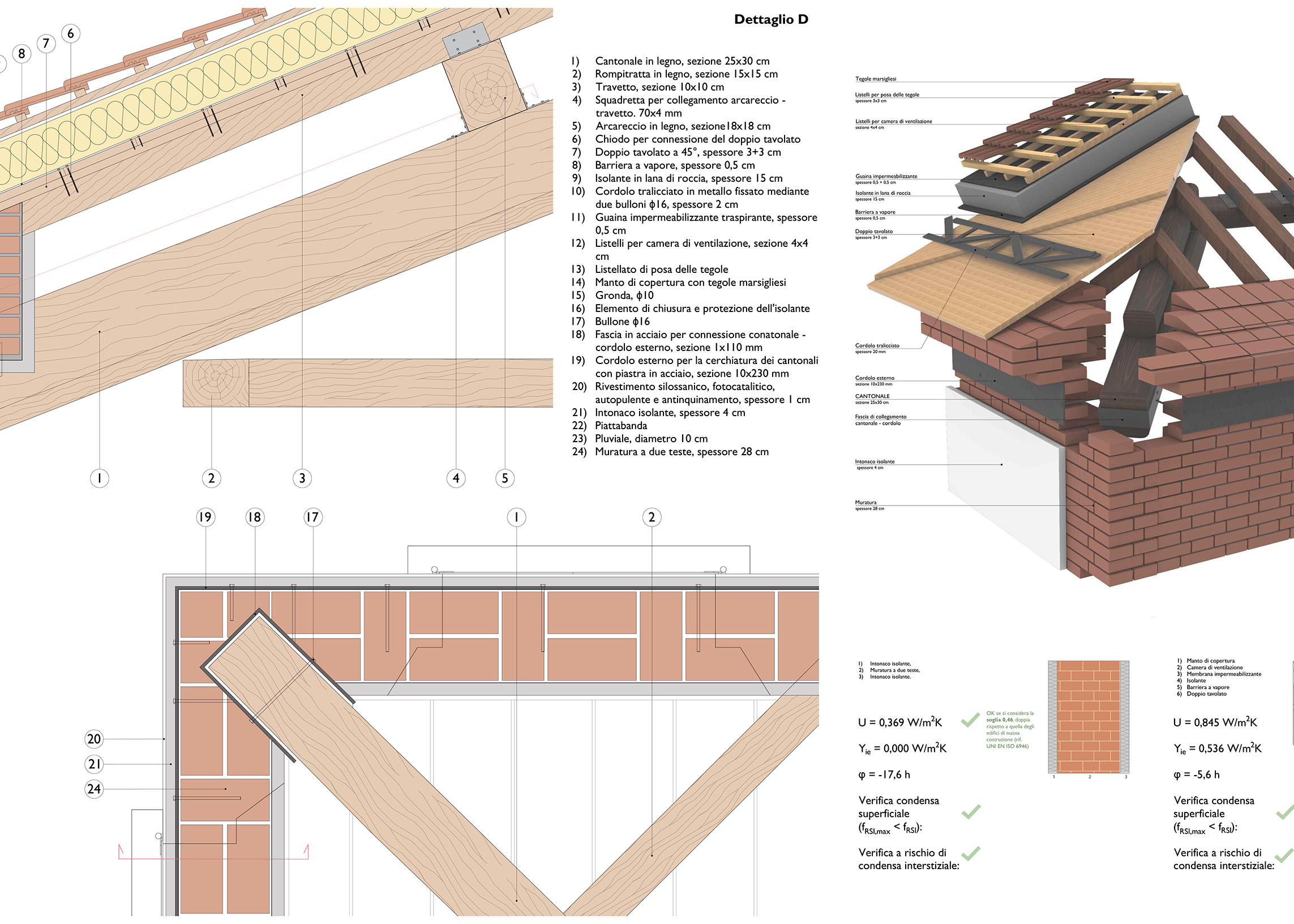
We then analyzed the boundary closures throughout the building. These are made up of four modular 5x5 elements — two composed of wooden slats and two transparent glazed elements. These modules are combined in varying configurations across different façades, creating visual dynamism in the elevations.
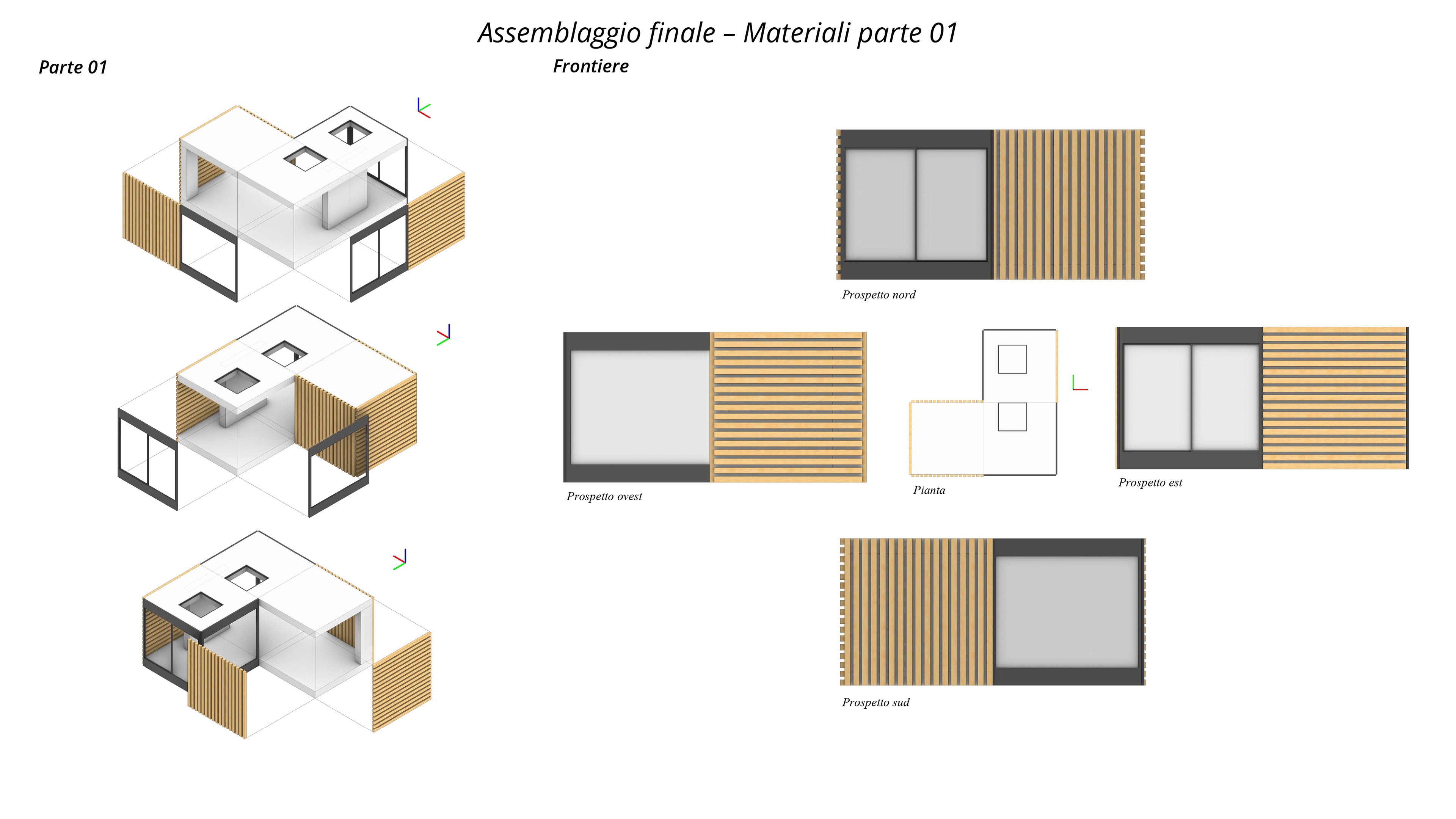
Boundary closures of Part 01
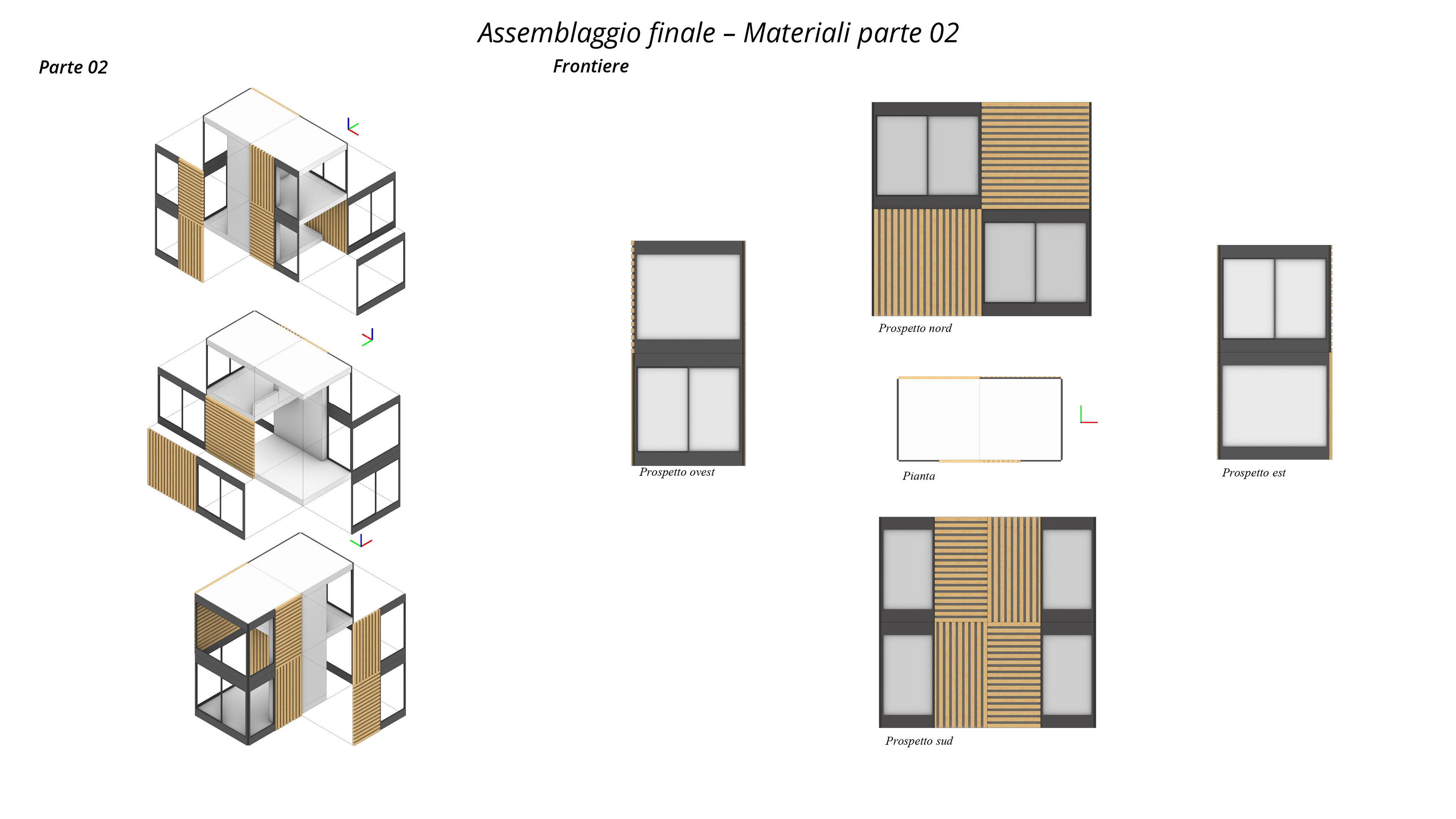
Boundary closures of Part 02
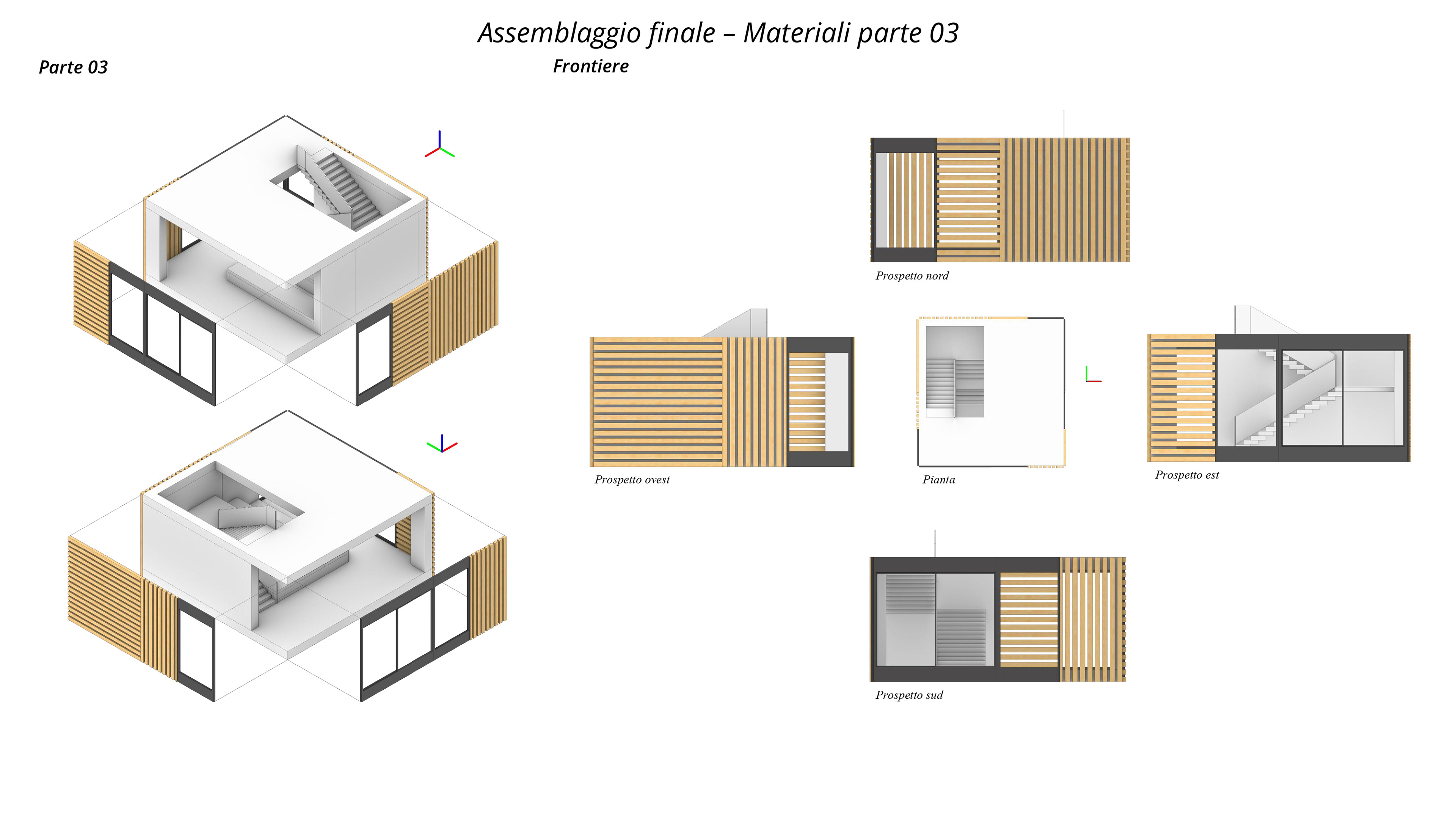
Boundary closures of Part 03
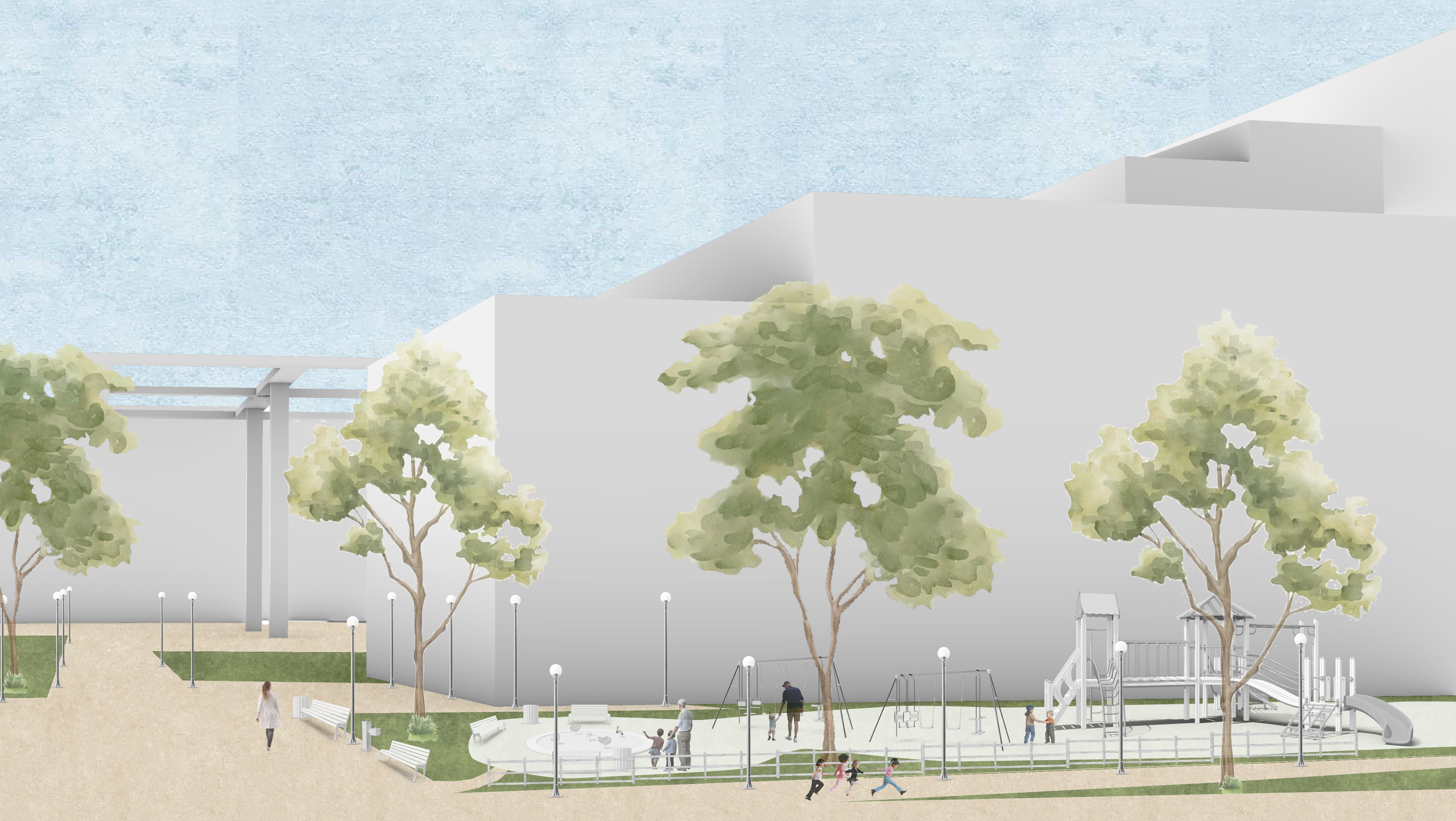
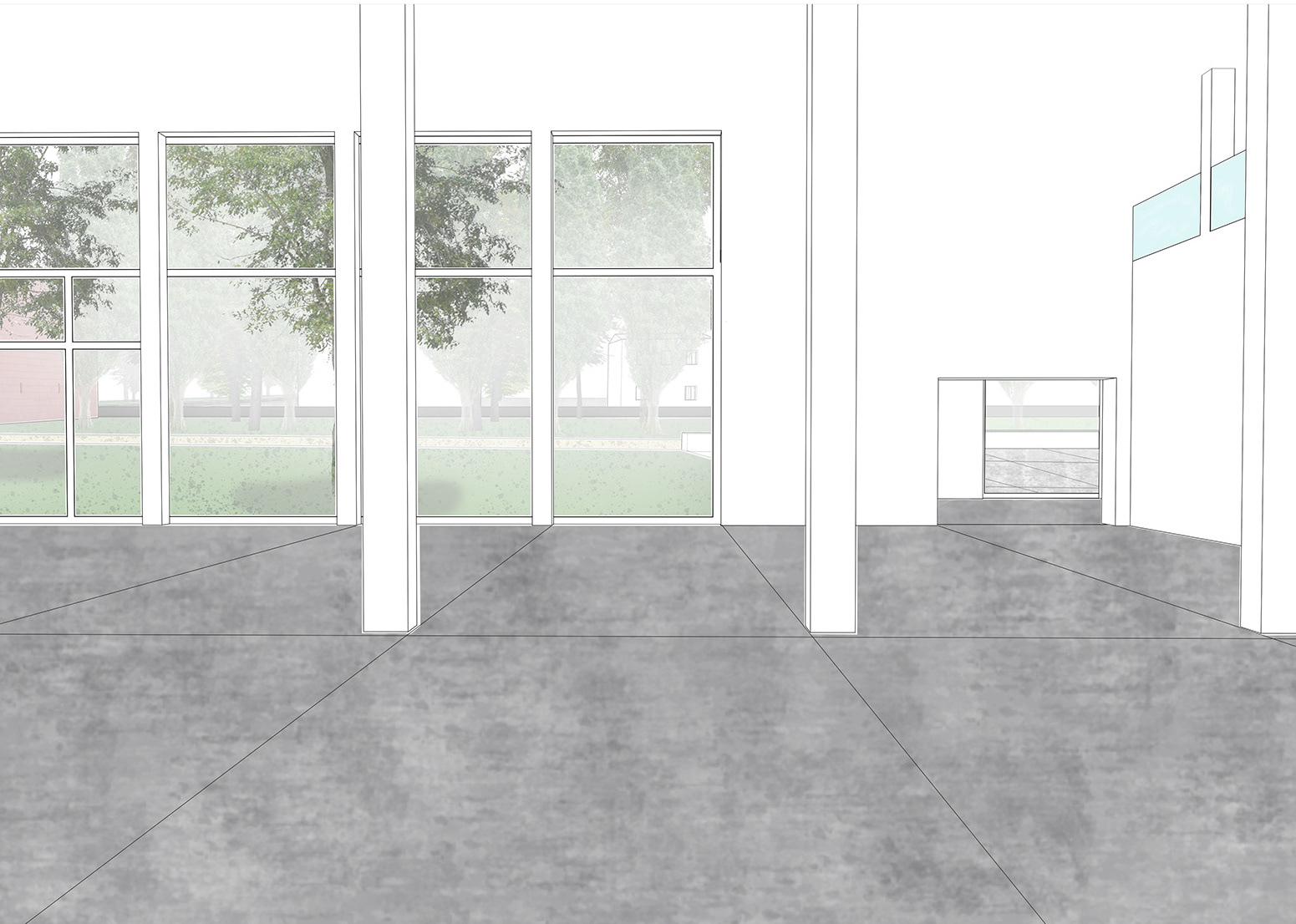
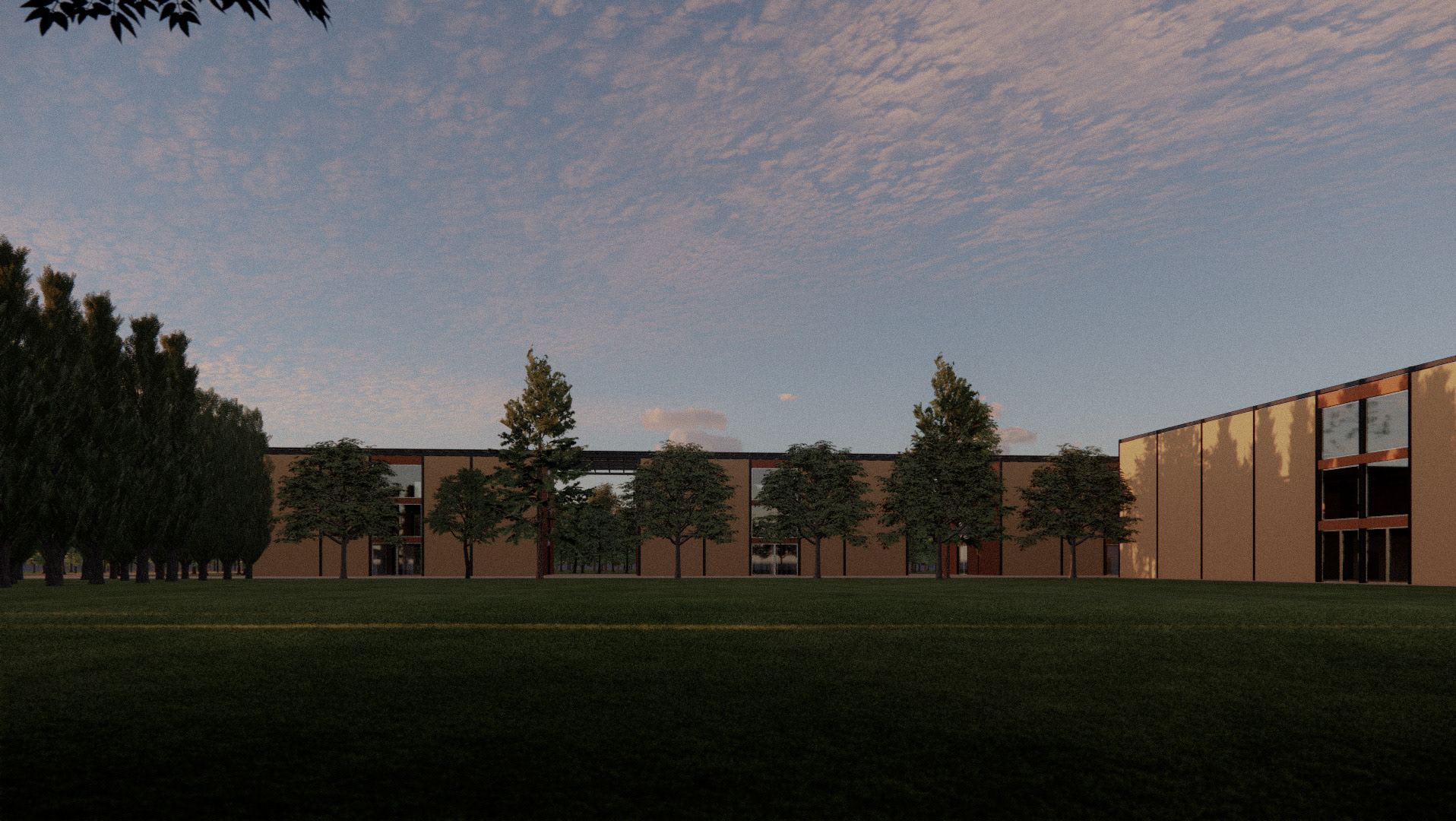
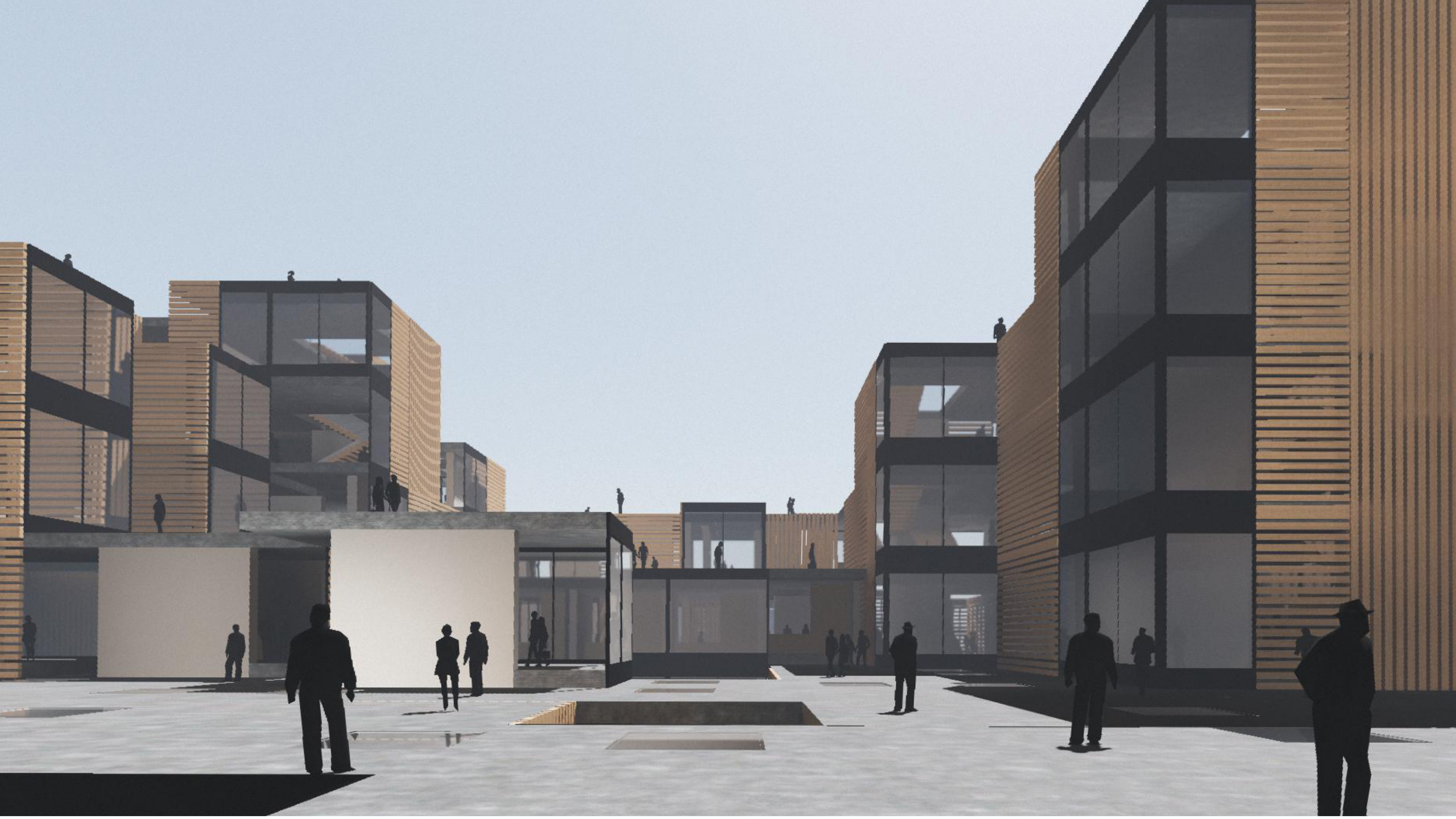
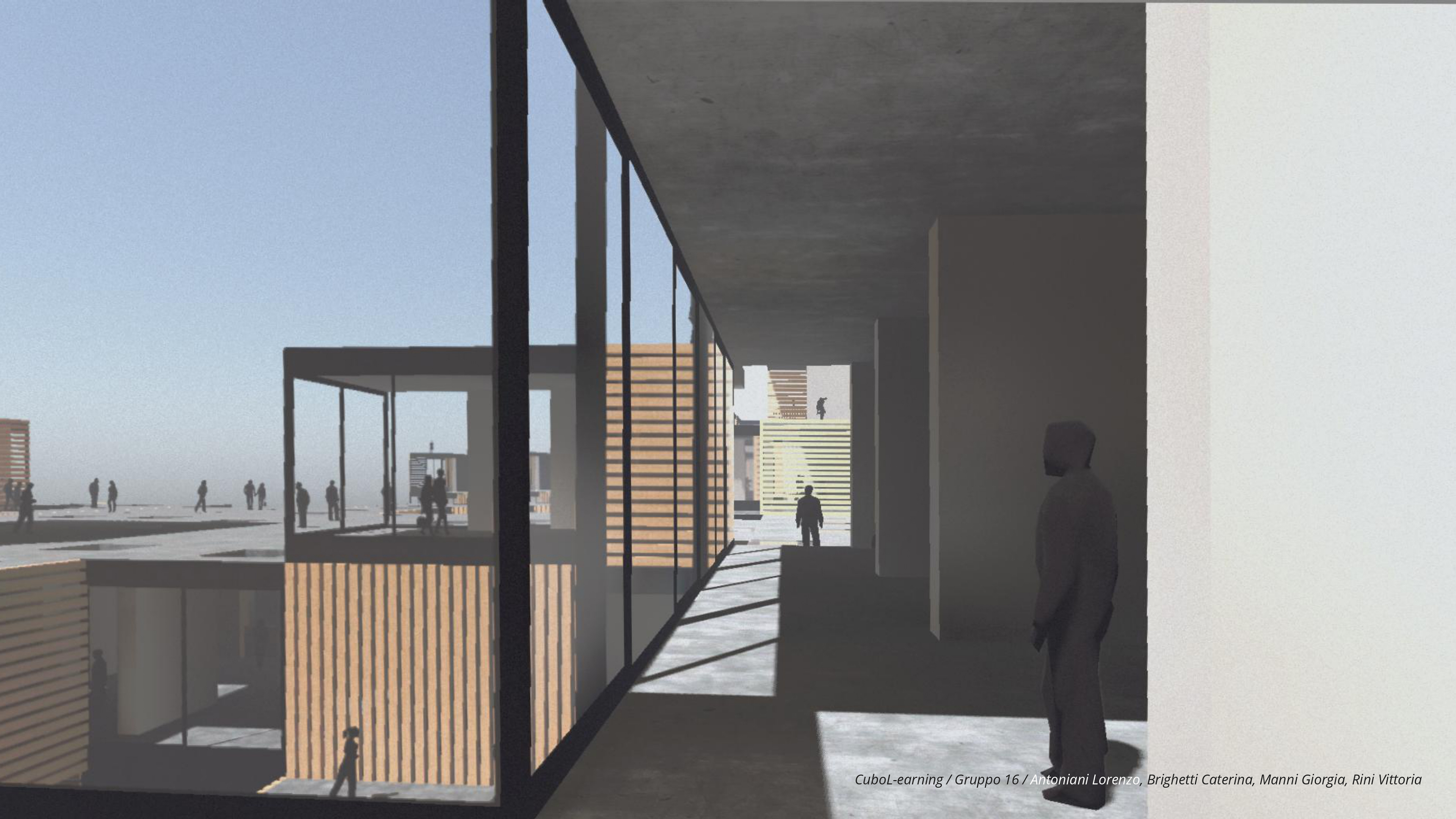
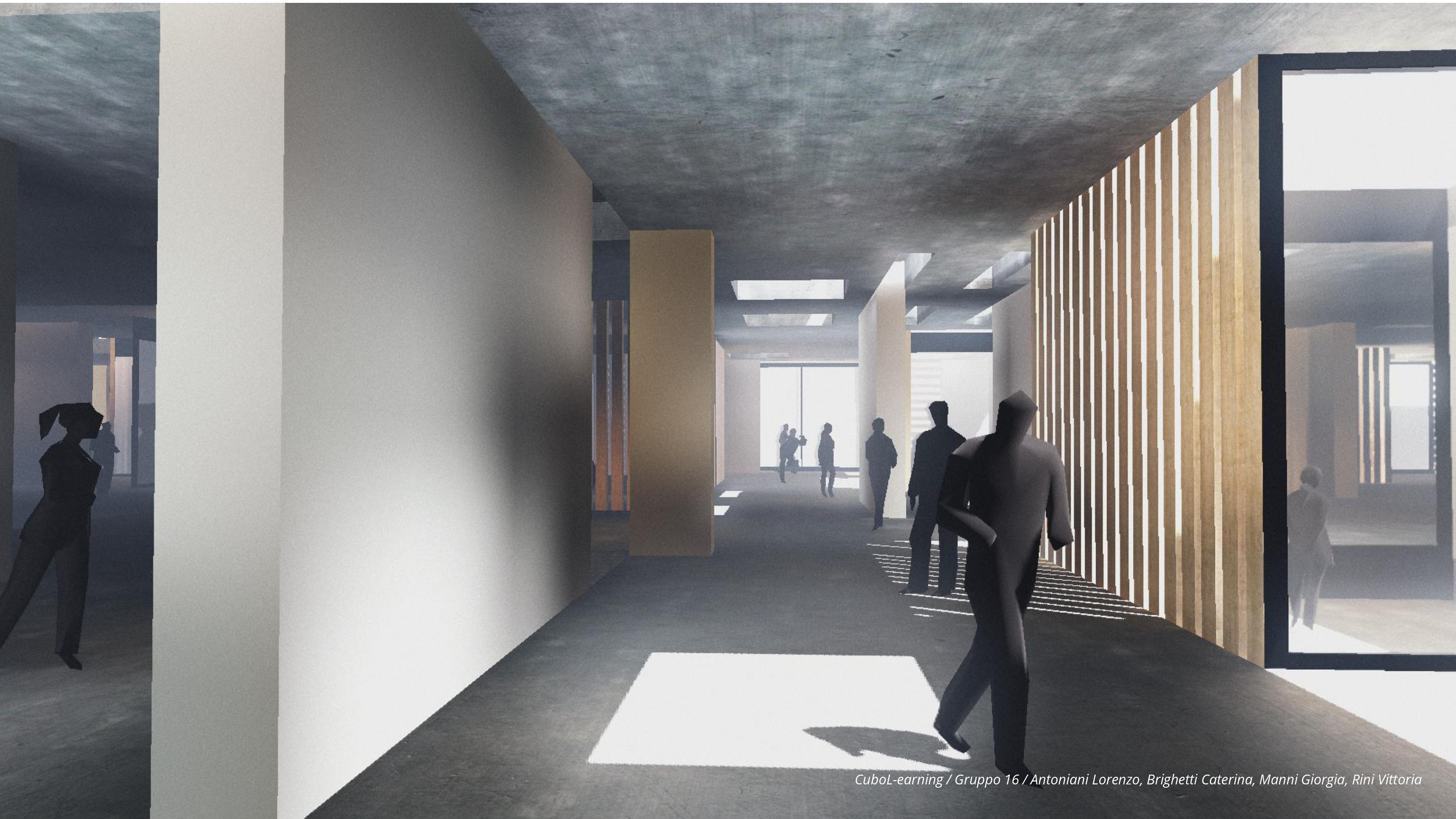
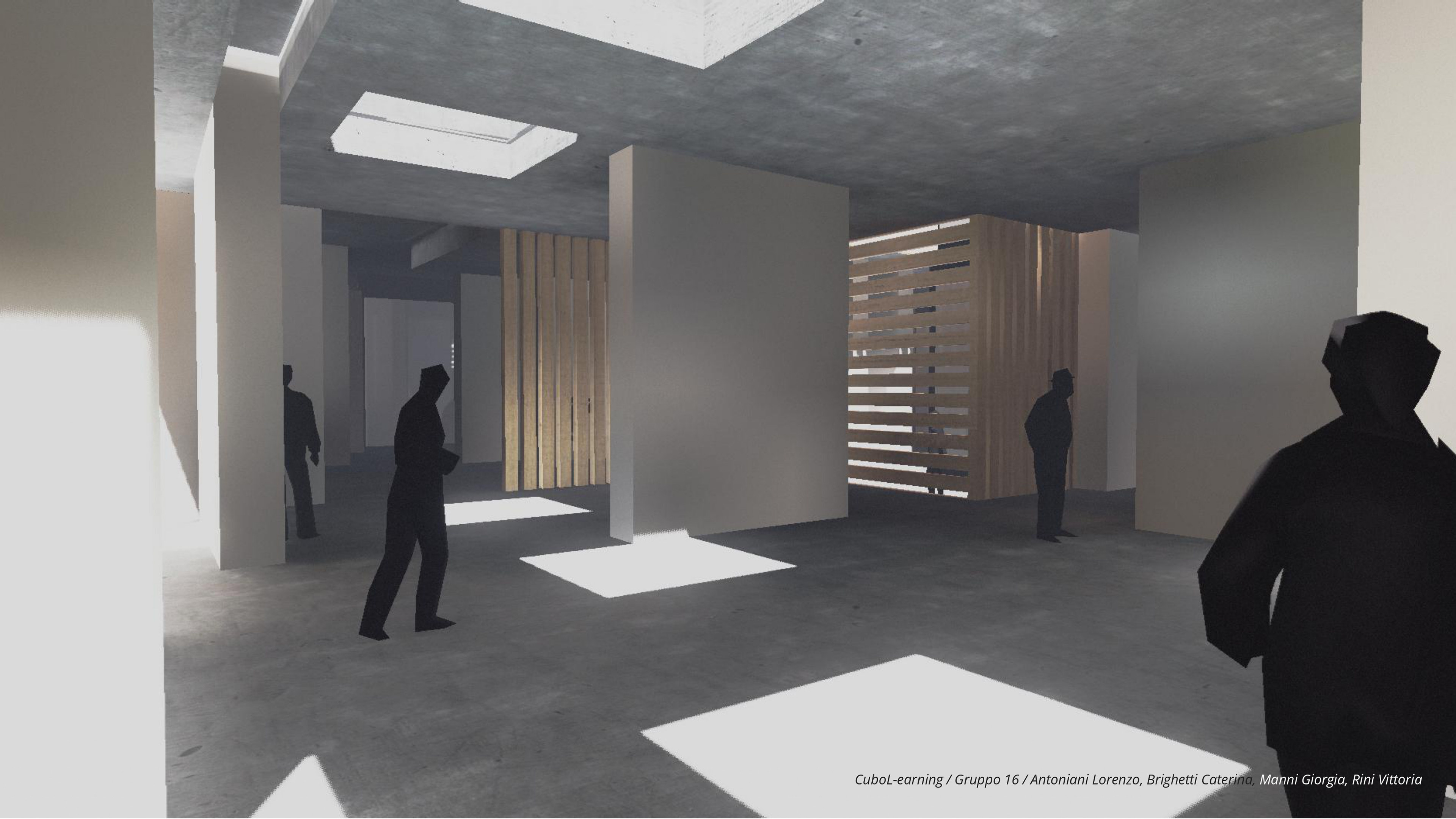
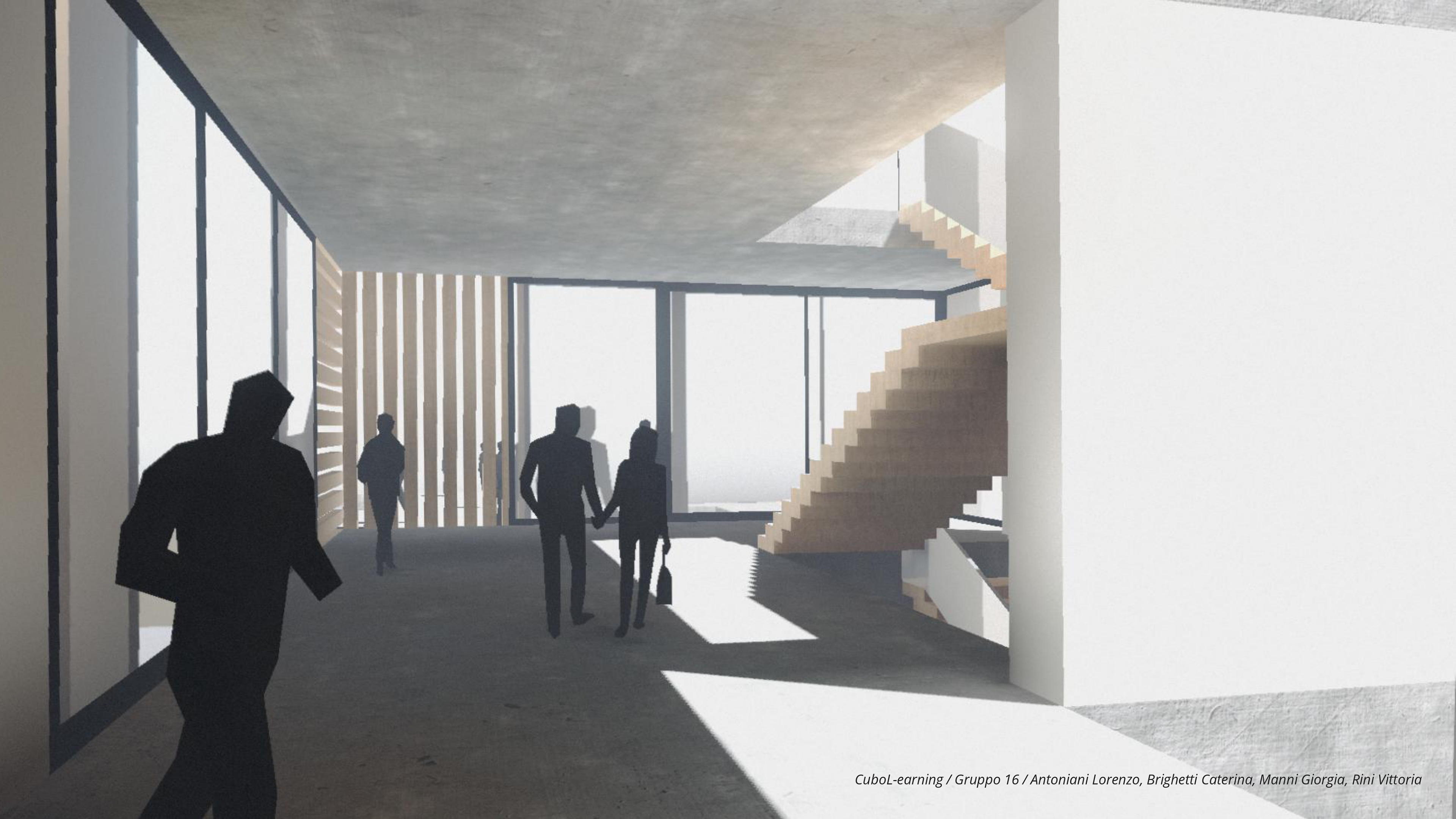
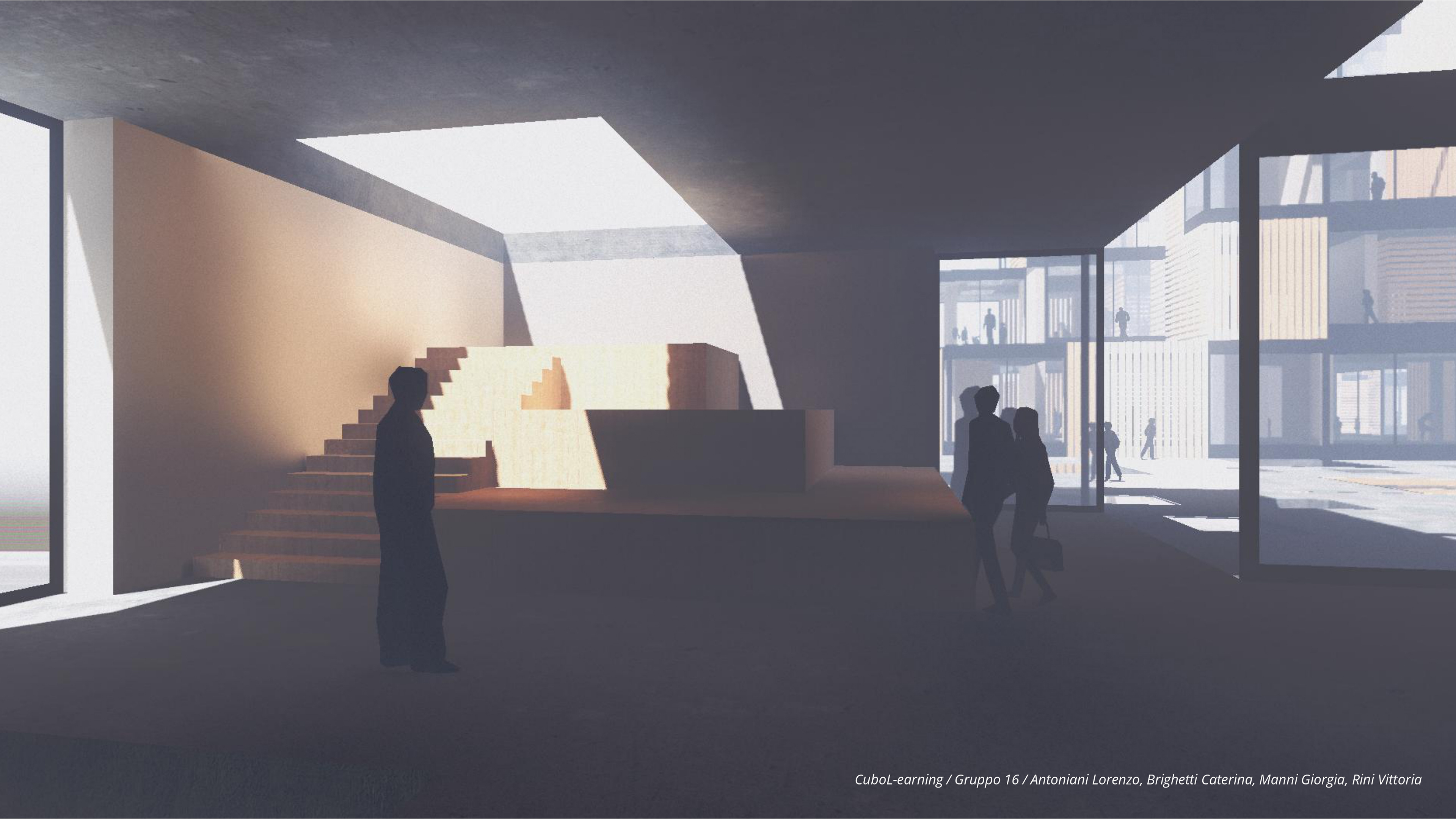
Finally, we selected a series of visual perspectives of the building that we felt best convey the atmosphere and architectural intent of the project.
Positive Aspects of the Project
- Dual internal and external connections between the two main access points are guaranteed.
- Spaces are defined by flexibility in two forms:
- Convertibility – through movable walls, allowing for dynamic spatial redefinition;
- Fluidity – enabling free movement across space and between activities.
- Altimetric variation of the building offers elevated views of the historic city center, respecting the urban context.
- Integration of covered and open courtyards establishes a strong relationship with surrounding greenery and nature.
- Thanks to the setup logic of the system, the building has the potential to expand further, adapting to the topographical conditions of different plots.
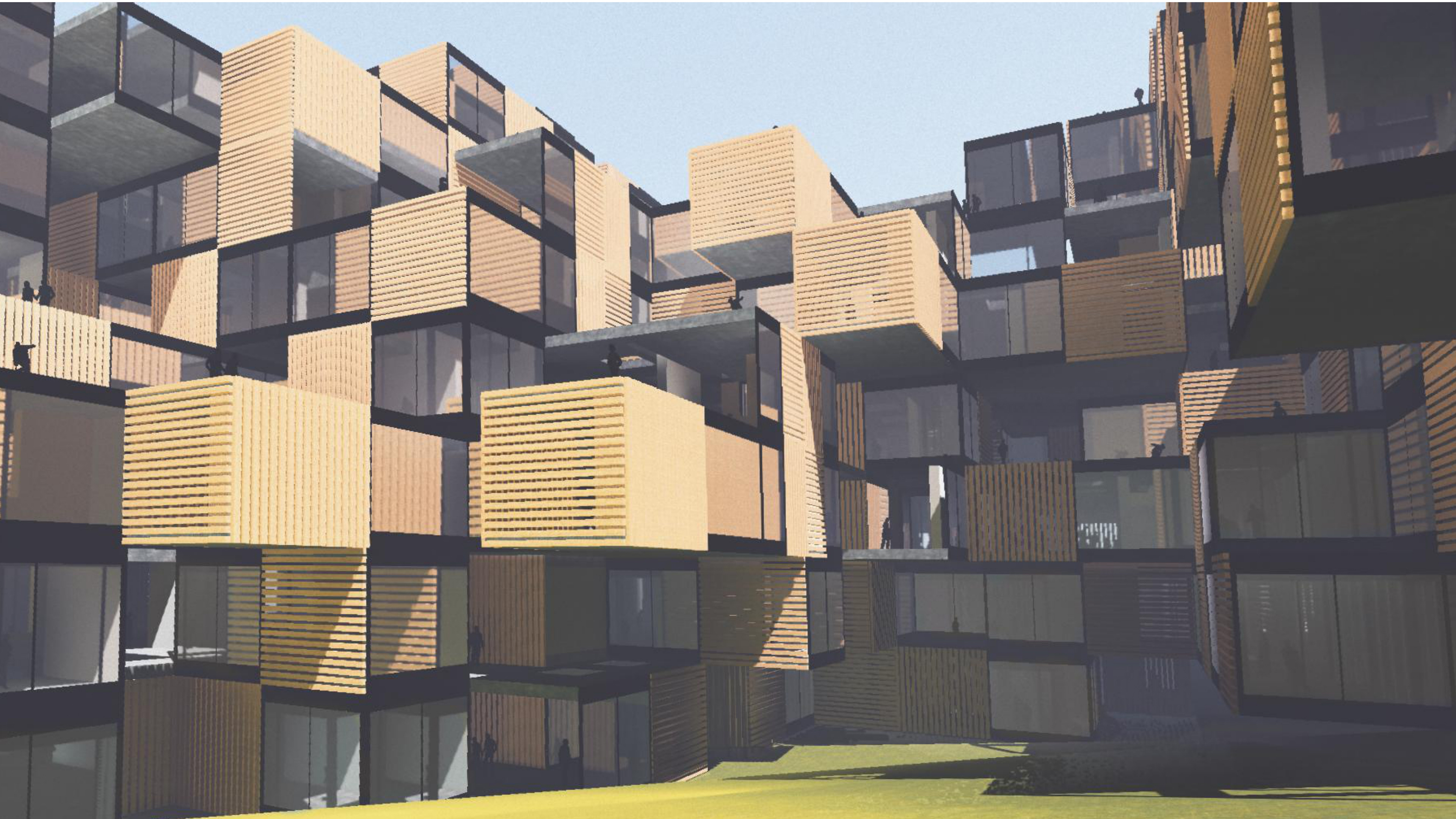
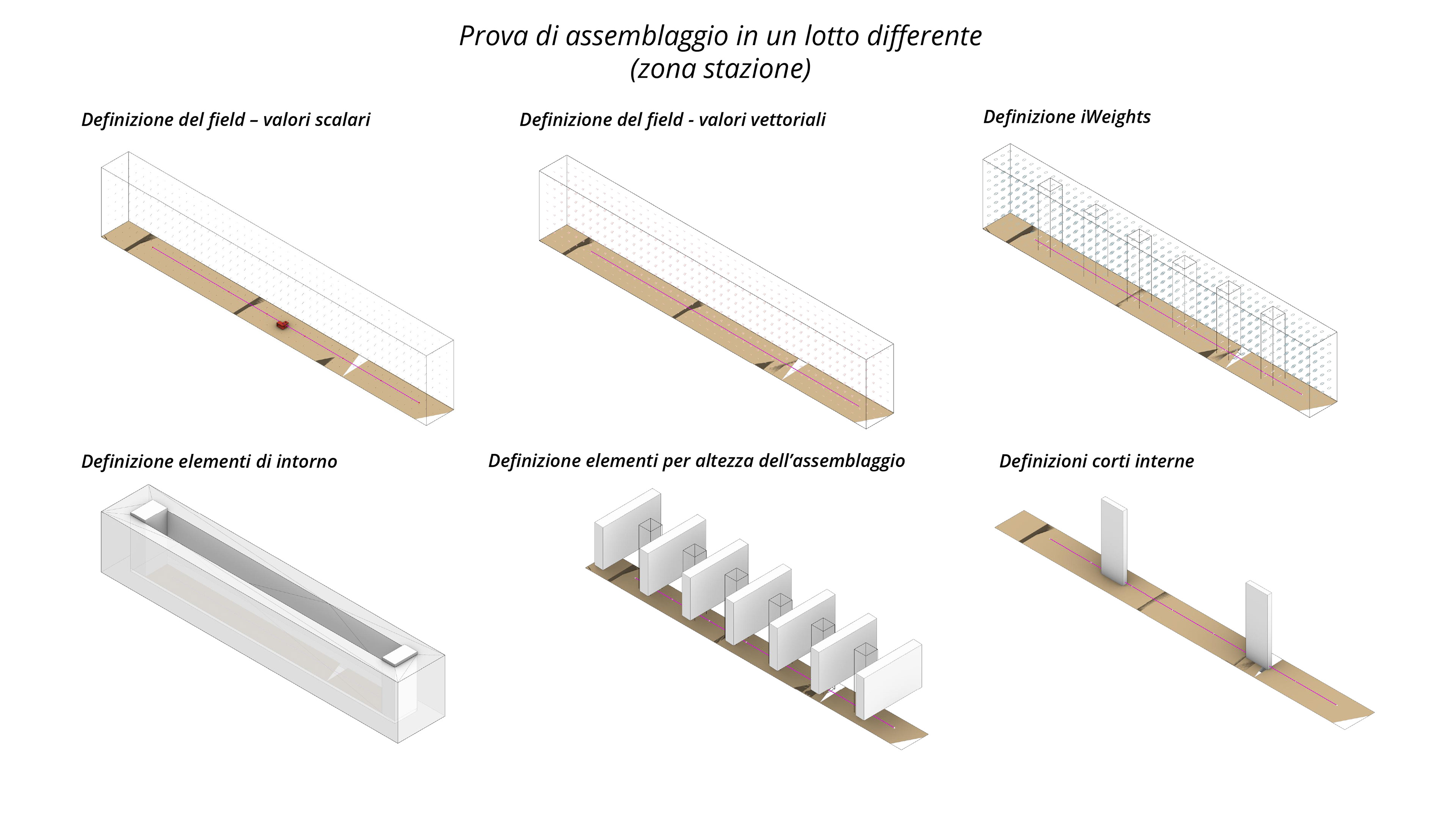
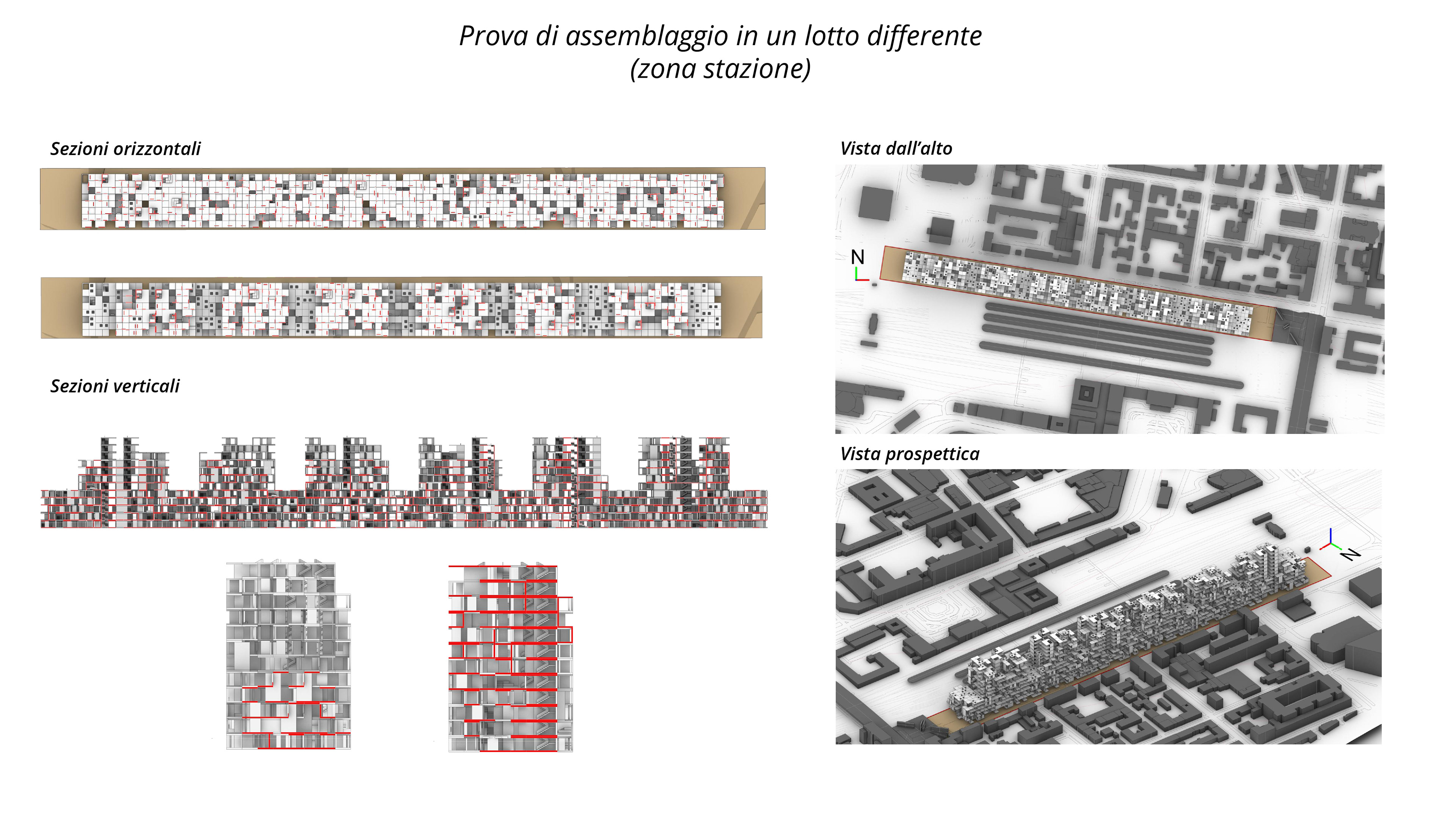
We also tested the deployment of the system in an entirely different site, near the train station. Despite the contrast in context, the modular system proved to be highly adaptable, showing that the spatial logic and structural concept remain effective in a variety of urban conditions.